The Roe Deer: Europe's Elusive and Resilient Woodland Marvel
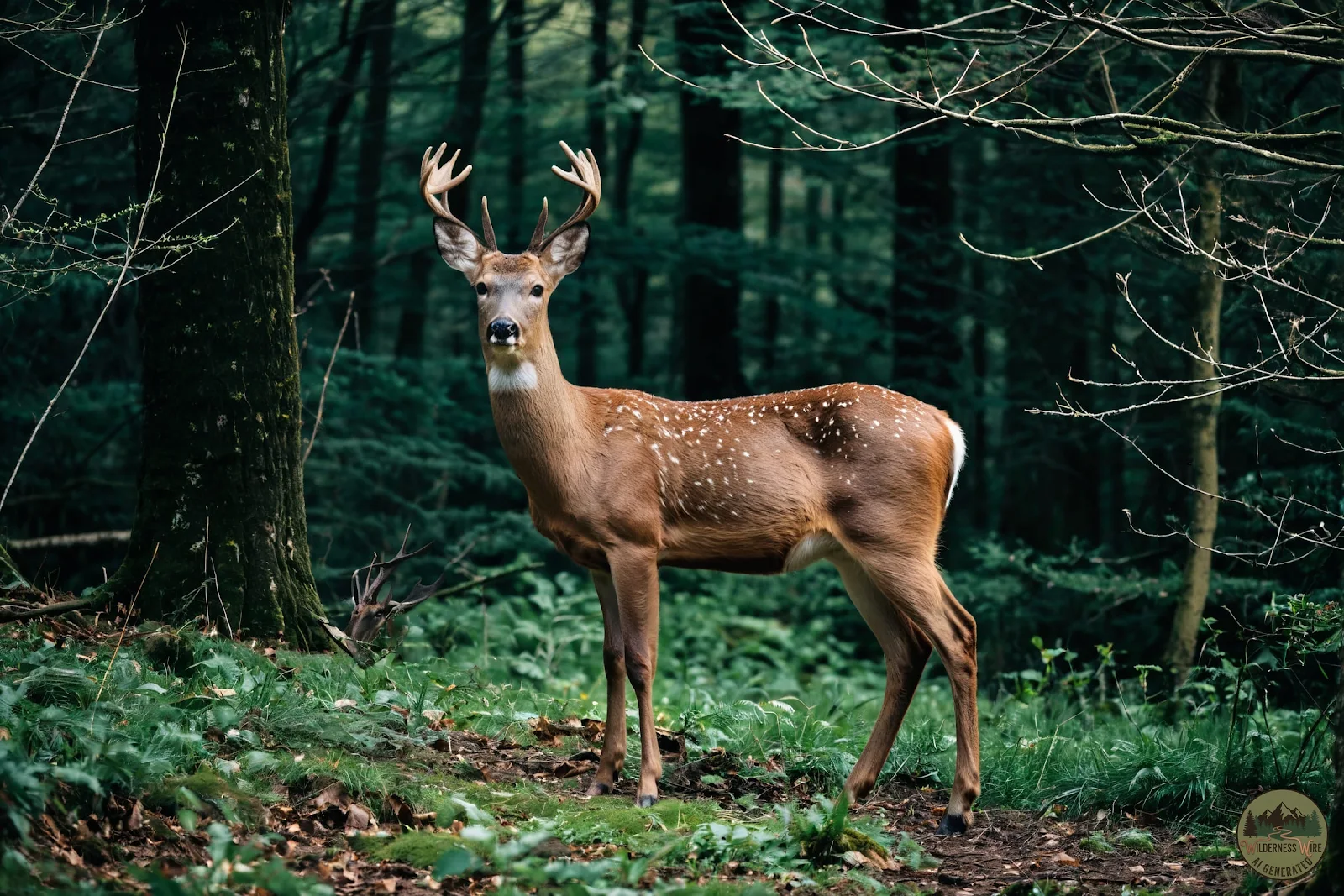
The roe deer, a creature of unassuming elegance, is a familiar, yet often elusive, presence across the diverse landscapes of Europe and parts of Asia. Known scientifically as Capreolus capreolus, this relatively small cervid species embodies adaptability and resilience, thriving in environments ranging from dense woodlands and ancient forests to agricultural plains and suburban fringes. Its agility and secretive nature allow it to navigate human-modified landscapes with surprising success, often glimpsed at dawn or dusk as it ventures from cover.
Distinguished by its compact build and graceful movements, the roe deer typically stands between 60 to 75 centimeters at the shoulder and weighs a modest 15 to 30 kilograms. Its coat undergoes a striking seasonal transformation: a vibrant reddish-brown in the warmer months, providing excellent camouflage amidst summer foliage, which then molts into a duller, thicker greyish-brown during winter, offering both warmth and disguise against the sparser, dormant landscape. A characteristic white rump patch, often described as heart-shaped, is a prominent feature, particularly noticeable when the animal is startled and bounds away, flagging its presence to others in its immediate vicinity. Males, known as bucks, possess short, upright antlers, typically growing three points (tines) on each side, though variations can occur. These antlers are shed annually, usually in late autumn or early winter, with new velvet-covered antlers beginning to grow almost immediately afterward, reaching full size by spring, ready for the breeding season.
The preferred habitat of the roe deer is remarkably varied, reflecting its opportunistic nature. It favors mosaic landscapes that offer a mix of dense cover for shelter and open areas for foraging. Woodland edges, scrublands, young plantations, and areas interspersed with agricultural fields provide ideal conditions. These environments offer a rich tapestry of food sources and sufficient concealment from predators and human disturbance. While historically a creature of ancient forests, the roe deer has readily adapted to the fragmented modern landscape, demonstrating a remarkable capacity to colonize new areas, even expanding its range in some regions thanks to habitat changes and milder winters.
As selective browsers, roe deer play a distinct role in their ecosystems. Their diet consists primarily of nutrient-rich plant parts, including the tender shoots, buds, and leaves of deciduous trees and shrubs, as well as various herbs, grasses, and berries. Unlike larger grazers, they are not indiscriminate eaters; they meticulously select the most digestible and energy-dense forage available, often nibbling on new growth and flowers. This selective browsing can have a significant impact on forest understories, influencing the regeneration of certain plant species. Their keen sense of smell aids them in locating hidden delicacies, and they frequently forage during twilight hours, minimizing direct competition with livestock and avoiding predators.
Perhaps one of the most intriguing aspects of the roe deer's biology is its unique reproductive strategy: delayed implantation. Mating typically occurs in July and August, a period known as the rut, marked by territorial displays and chases between bucks and does. Following successful mating, the fertilized egg undergoes an initial period of development, forming a blastocyst. However, rather than implanting immediately in the uterine wall, this blastocyst enters a state of diapause, or suspended development, for several months. Implantation only occurs in January, with active embryonic growth then proceeding rapidly. This remarkable adaptation ensures that the fawns, usually one to three (most commonly two), are born in May or June, coinciding with the peak abundance of forage and favorable weather conditions, which are critical for their survival. The fawns are born with camouflaging white spots that fade within a few months, and they remain hidden by their mother in dense vegetation for their first few weeks, only accompanying her more freely once they gain strength.
Roe deer are generally solitary animals, or found in small family groups consisting of a doe and her fawns. During winter, larger, looser groups may form in areas with abundant food, but these aggregations typically disperse by spring. Bucks are territorial, especially during the rut, marking their boundaries with scent glands located on their forehead and between their hooves, rubbing them on trees and shrubs. They also use visual markers, creating "fraying posts" by rubbing their antlers on saplings. Communication involves various vocalizations, including a distinctive dog-like bark, used as an alarm call or territorial challenge, and high-pitched squeaks or whistles exchanged between does and fawns. Their acute senses of hearing and smell, combined with excellent eyesight, make them highly aware of their surroundings, enabling them to detect potential threats long before they become visible.
Despite their widespread distribution and generally stable populations, roe deer face a number of ecological challenges. Habitat fragmentation due to human development, agricultural intensification, and road networks can isolate populations and increase mortality rates from vehicle collisions. While large predators like wolves and lynx, which historically controlled roe deer numbers, have been extirpated from many parts of their range, foxes pose a threat to fawns, and human hunting remains a significant management factor in many countries. However, carefully regulated hunting practices often contribute to maintaining healthy populations by preventing overgrazing and the spread of disease. The adaptability of the roe deer, coupled with its efficient reproductive strategy, has allowed it to thrive in the modern landscape, making it a persistent and cherished symbol of wild nature across its range.
The enduring presence of the roe deer in our natural and semi-natural environments is a testament to its resilience and subtle mastery of its surroundings. Its life cycle, from the unique delayed implantation to the careful rearing of its spotted fawns, showcases fascinating evolutionary adaptations. As human landscapes continue to evolve, understanding and appreciating the ecological role and needs of this elegant cervid becomes increasingly important for ensuring its continued flourishing and the health of the ecosystems it inhabits.