Posts

Showing posts with the label Snowy Owl

Masters of the Tundra: The Striking Beauty and Survival of the Snowy Owl
Image
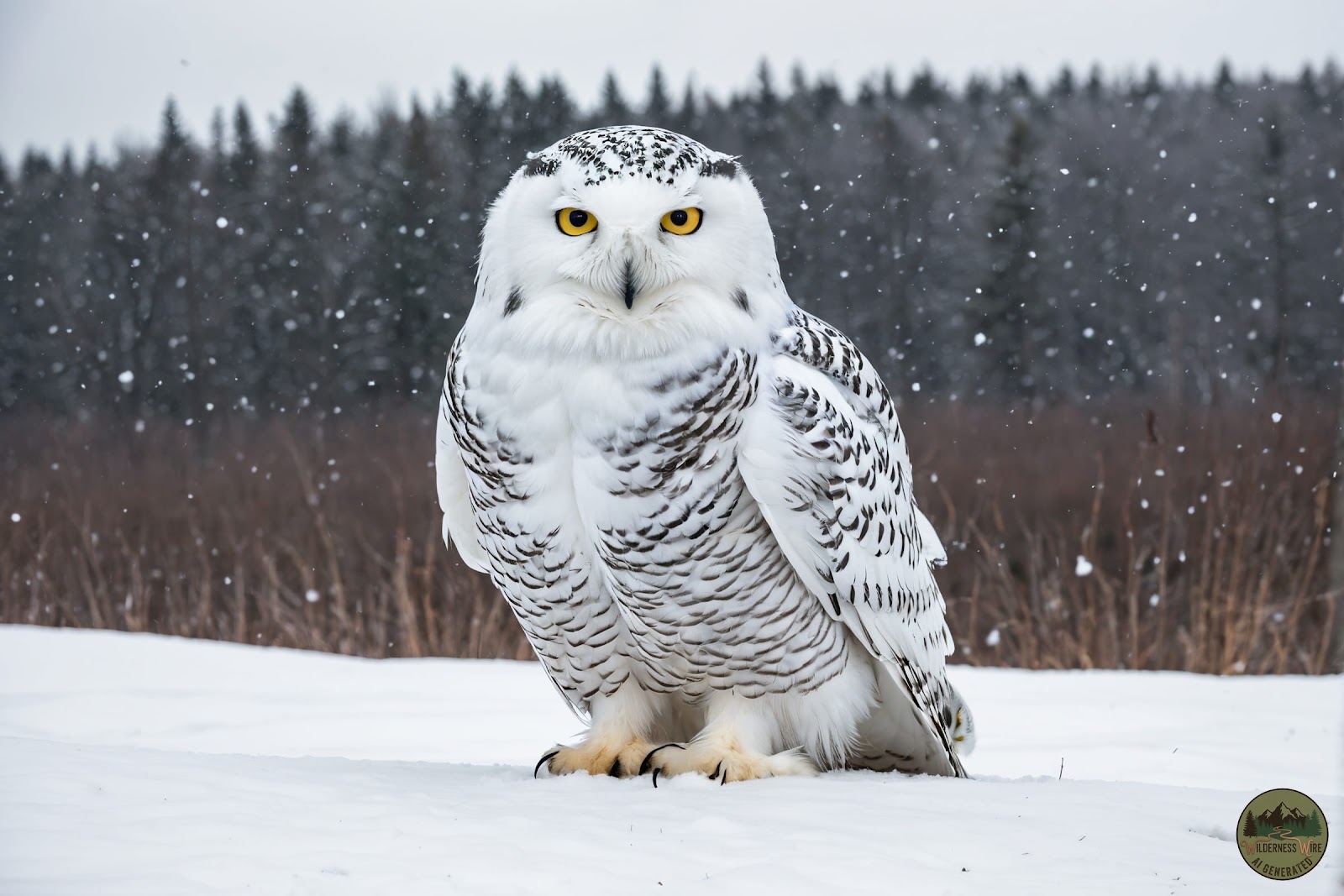
The ethereal presence of the snowy owl, with its immaculate white plumage and piercing golden eyes, evokes the very spirit of the Arctic. These magnificent raptors are perfectly adapted to the planet's harshest environments, reigning as apex predators across the circumpolar tundra. Their striking appearance, often pure white in mature males, offers not just camouflage against snow-laden landscapes but also a stark beauty that captivates observers. Far from being common garden birds, snowy owls are robust hunters, masters of stealth and survival in a world defined by extreme cold and perpetual daylight or darkness. Measuring between 50 to 70 centimeters (20 to 28 inches) in length with an impressive wingspan of 1.2 to 1.5 meters (4 to 5 feet), the snowy owl is one of the largest owl species by weight. Its most distinctive feature is, of course, its plumage. While adult males can be almost entirely pure white, offering unparalleled camouflage in their snowy hunting grounds, females...
Snowy Owls: Arctic Masters of Survival and Tundra's Iconic Predator

Image
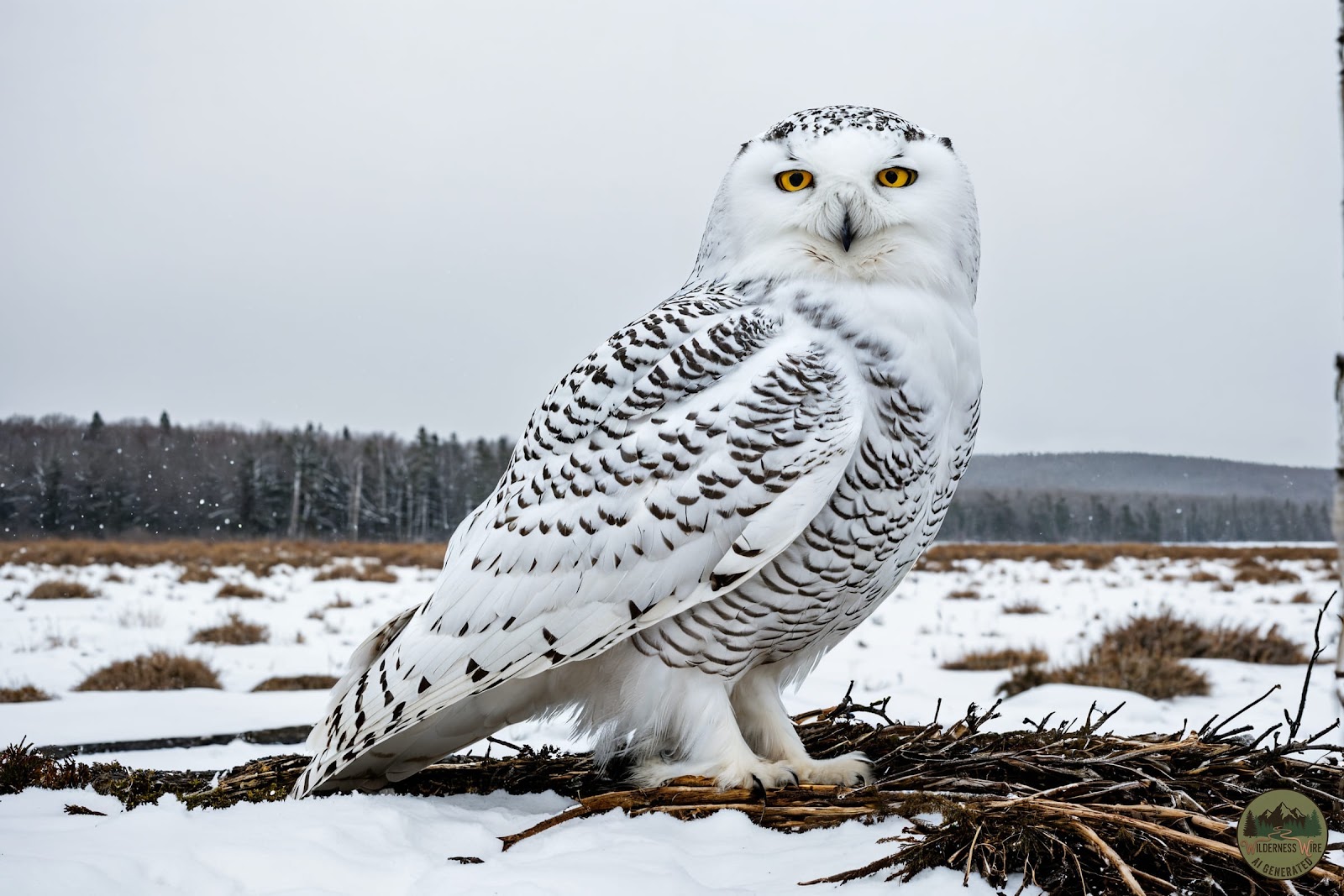
The vast, treeless expanse of the Arctic tundra is home to one of nature's most iconic and strikingly beautiful predators: the snowy owl. Clad in a plumage that ranges from pristine white to subtly barred, these magnificent raptors are perfectly adapted to their extreme environment, embodying the stark beauty and formidable challenges of the circumpolar north. Unlike most owls, which are creatures of the night, snowy owls are often diurnal hunters, a necessity born from the perpetual daylight of the Arctic summer. Their piercing yellow eyes survey the open landscape, ever vigilant for the subtle movements of prey across the snow-dusted terrain.   Known scientifically as *Bubo scandiacus*, the snowy owl possesses a circumpolar distribution, breeding across the Arctic regions of North America, Europe, and Asia. Their preferred habitat is the open tundra, characterized by low vegetation, rolling hills, and an absence of tall trees. This treeless environment is crucial for their h...

 This website utilizes artificial intelligence (AI) systems to generate, draft, and edit content. All text, images, and media on this site should be considered AI-generated or AI-assisted unless explicitly stated otherwise.