The Biological Marvels and Social Complexity of the Australian Arboreal Sugar Glider
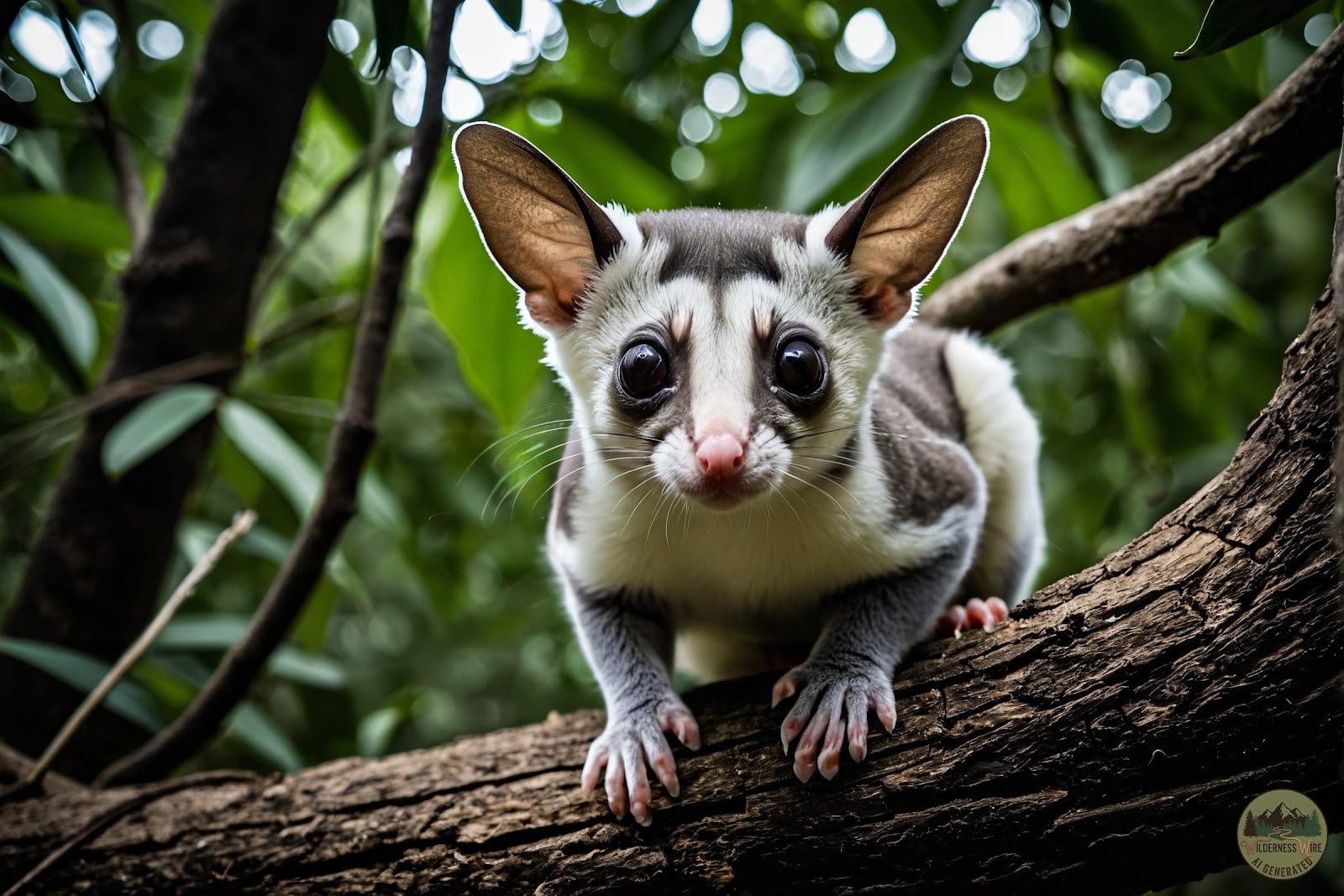
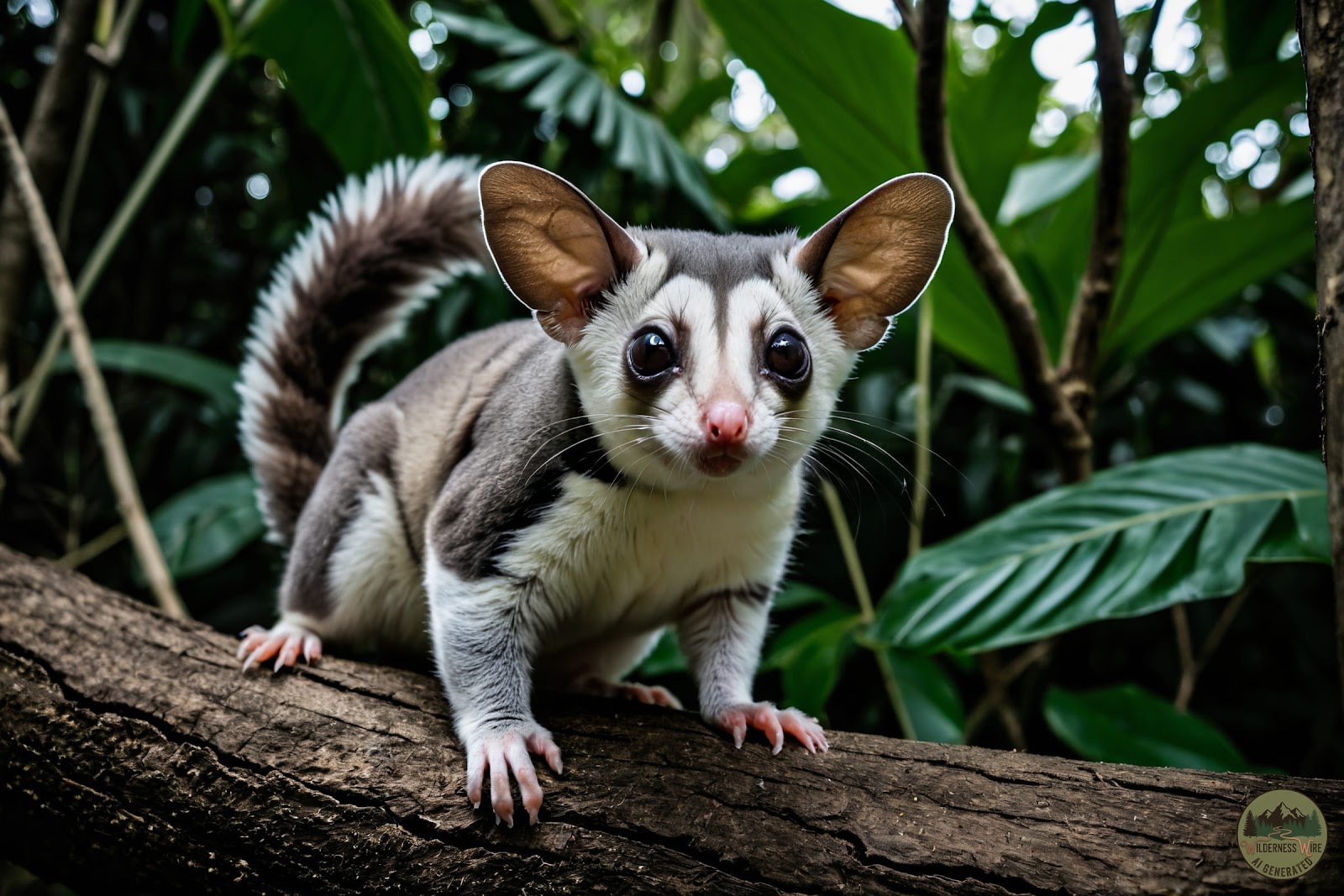
The sugar glider ( Petaurus breviceps ) is one of nature’s most specialized arboreal acrobats. A member of the Petauridae family, this small marsupial is native to the sprawling forests of mainland Australia, Tasmania, New Guinea, and several Indonesian islands. While often compared to the flying squirrels of North America, the sugar glider is a distinct product of marsupial evolution, sharing more in common with kangaroos and opossums than with rodents. Its common name is derived from a penchant for sugary foods—specifically nectar and tree sap—and its remarkable ability to glide through the canopy using a specialized membrane known as a patagium. The mechanics of the sugar glider’s flight are a marvel of biological engineering. The patagium is a thin, fur-covered fold of skin that extends from the fifth finger of each forepaw back to the first toe of each hindfoot. When the glider launches itself from a high branch, it spreads its limbs wide, stretching the membrane into a rectan...