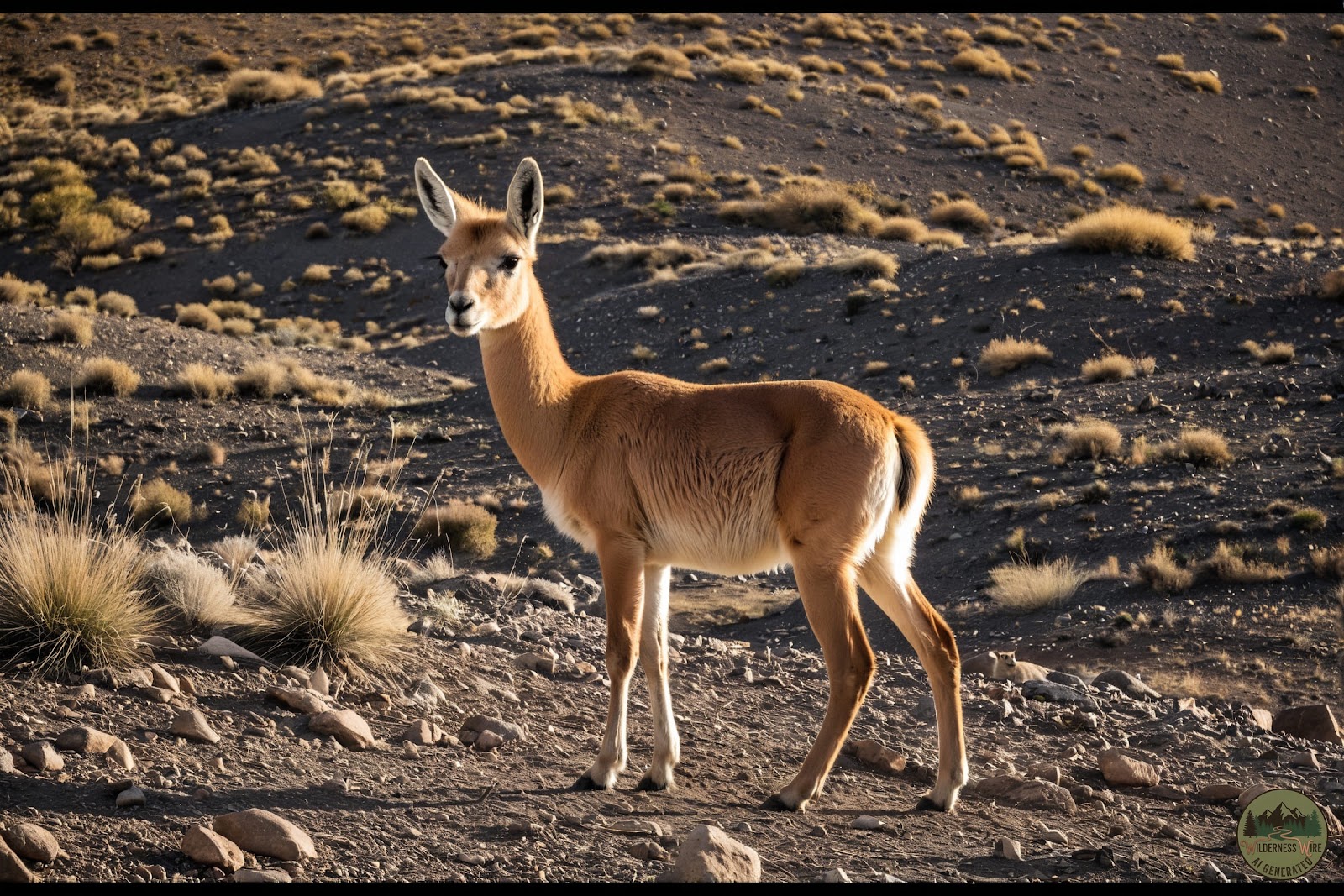
The Golden Fleece of the Andes: The Biology and History of the Wild Vicuña
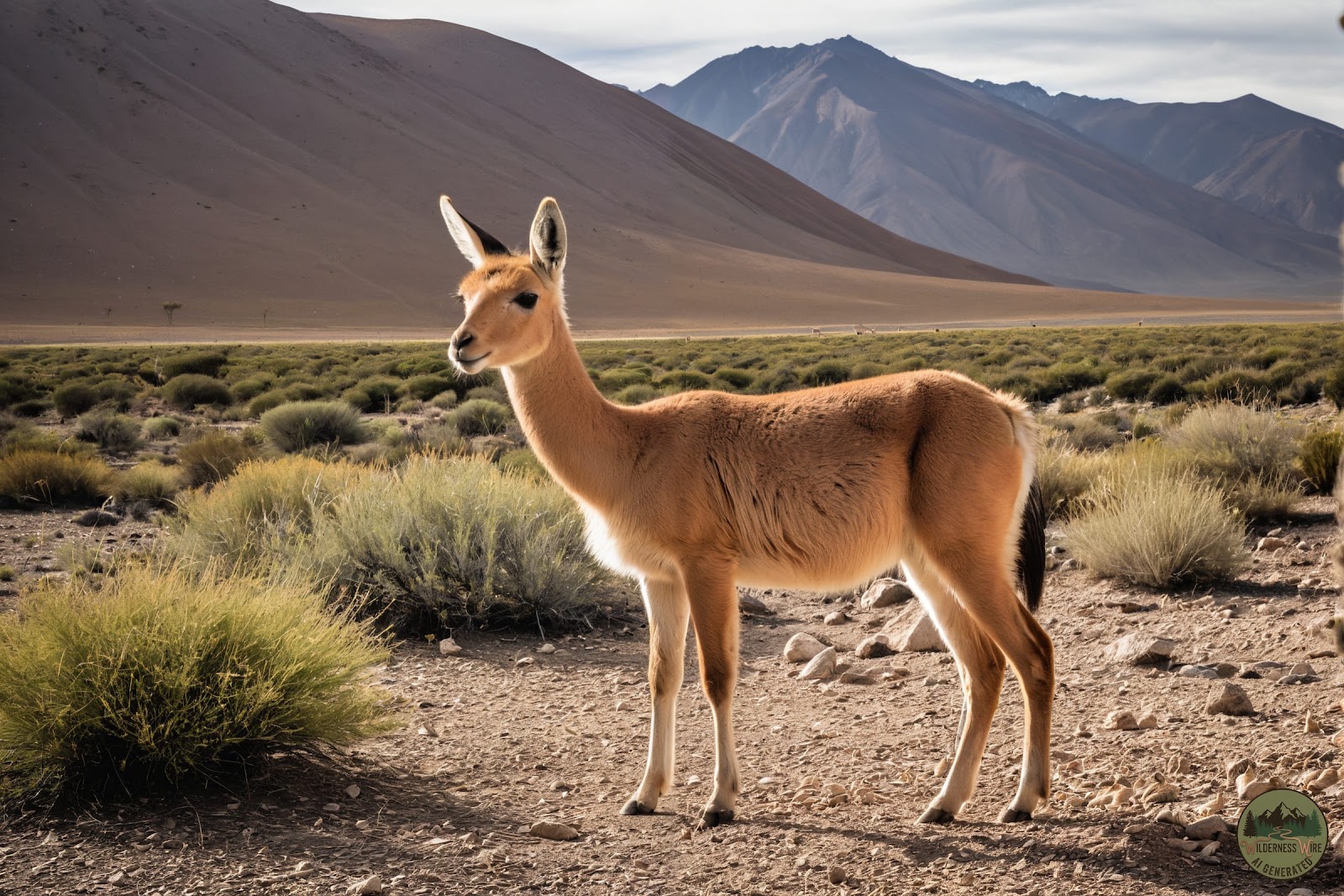
High within the arid, wind-swept plateaus of the central Andes, a creature of singular elegance traverses the Altiplano. The vicuña, a wild relative of the llama and the direct ancestor of the domesticated alpaca, represents one of nature’s most successful adaptations to extreme environments. Thriving at altitudes ranging from 3,200 to 4,800 meters, this slender camelid has become an enduring symbol of South American wilderness. Its presence is not merely a biological curiosity but a testament to the intricate relationship between evolutionary biology, ancient human culture, and modern conservation triumphs. The vicuña belongs to the family Camelidae, a group that includes the Old World camels and three other South American species: the guanaco, the llama, and the alpaca. Unlike the llama and alpaca, which were domesticated thousands of years ago for transport and bulk wool production, the vicuña has remained essentially wild. Physically, it is the smallest of the camelids, charact...