The Remarkable Adaptations and Ecological Importance of Arboreal Tree Frogs in the Global Canopy
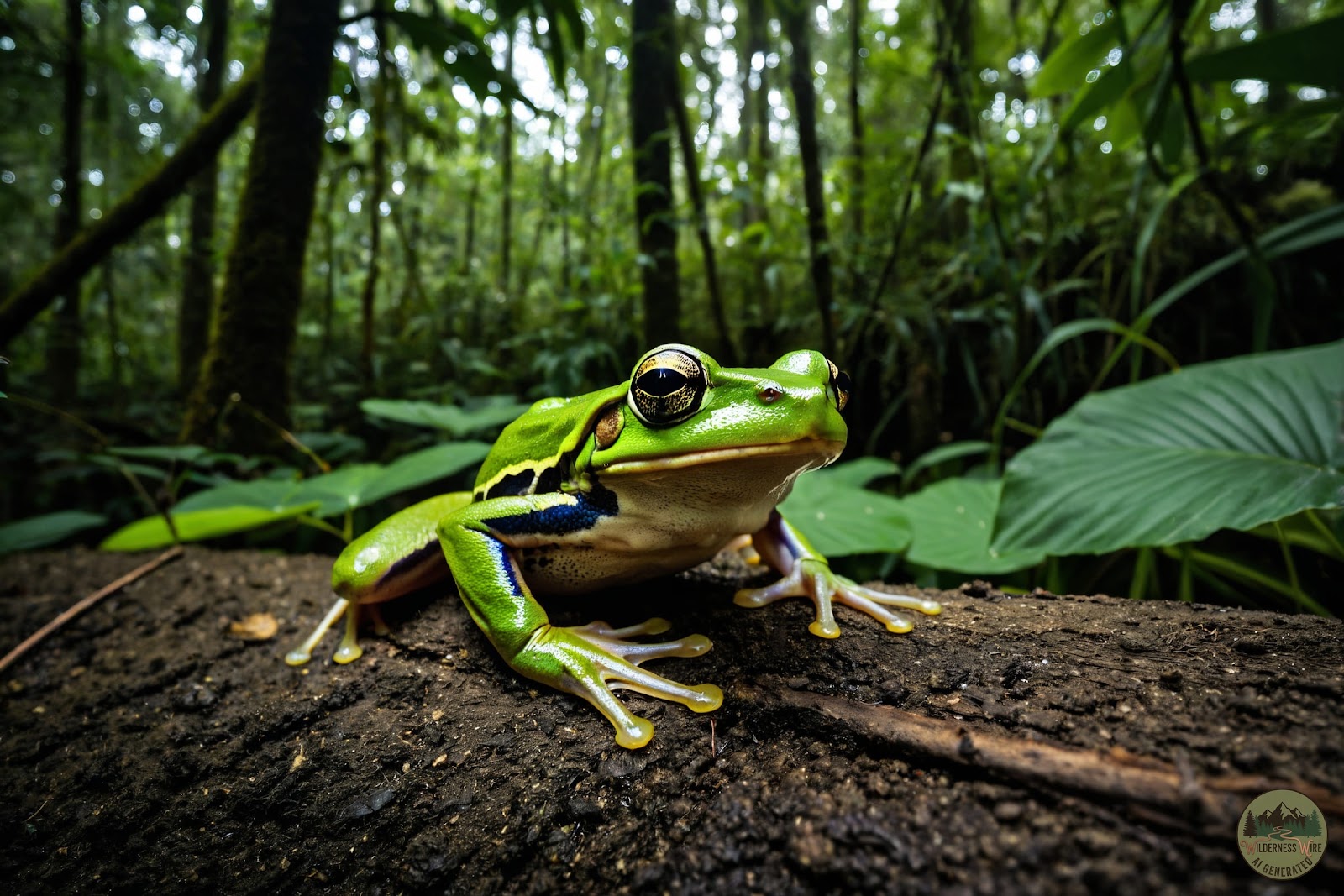
Arboreal amphibians represent a fascinating evolutionary branch of the Anura order, having specialized in a life lived far above the forest floor. These creatures, commonly known as tree frogs, are defined not by a single taxonomic group but by a shared set of physiological adaptations that allow them to navigate the vertical world of the canopy. While they belong to several different families—most notably Hylidae, Rhacophoridae, and Centrolenidae—they exhibit convergent evolution, where unrelated species develop similar traits to survive in comparable environments. Their presence in an ecosystem is often regarded by biologists as a primary indicator of environmental health, as their permeable skin makes them hyper-sensitive to changes in air and water quality. The most striking physical characteristic of these amphibians is their specialized toe pads. Unlike terrestrial frogs that rely on powerful hind legs for horizontal distance, tree frogs have evolved expanded, disc-like tips ...