The Biological Paradox Exploring the Unique Evolution and Survival of the Tarsier
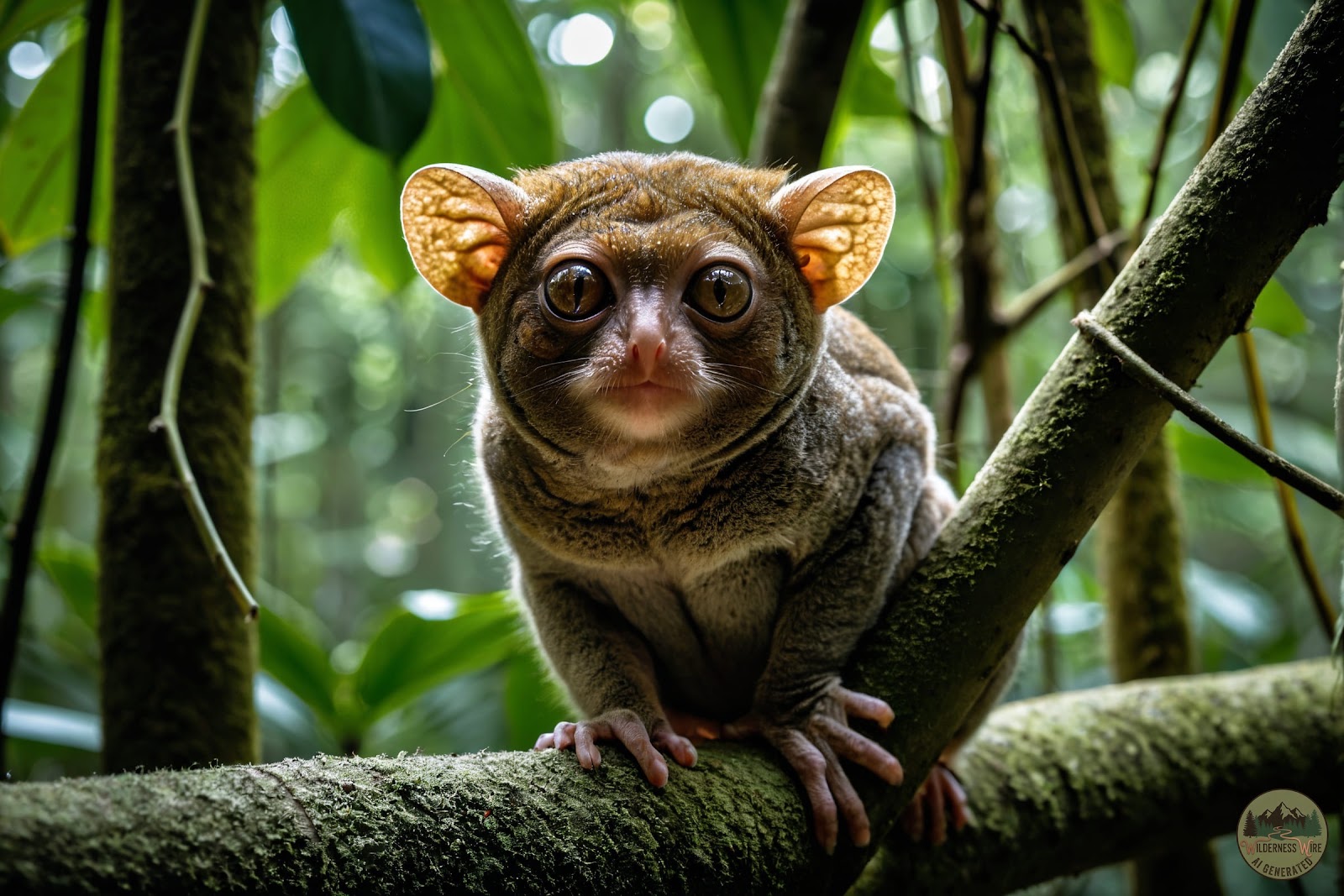
Tarsier_00003_ The tarsier is often described as a biological paradox, a creature that seems to defy the conventional rules of primate evolution. Found exclusively in the islands of Southeast Asia—specifically within the Philippines, Indonesia, and Malaysia—these small, nocturnal mammals represent one of the oldest living lineages of primates. While they share a common ancestor with monkeys, apes, and humans, they branched off into their own unique evolutionary path approximately 45 to 55 million years ago. This long period of isolation has resulted in a suite of physical and behavioral adaptations that are found nowhere else in the animal kingdom, making the tarsier a subject of intense fascination for primatologists and evolutionary biologists alike. At first glance, the most striking feature of the tarsier is undoubtedly its eyes. Proportionally, the tarsier has the largest eyes of any mammal relative to its body size. Each eyeball is approximately 16 millimeters in diameter, wh...