Posts

Showing posts with the label Takin

The Takin: A Mysterious Biological Oddity Surviving the High Himalayan Peaks
Image
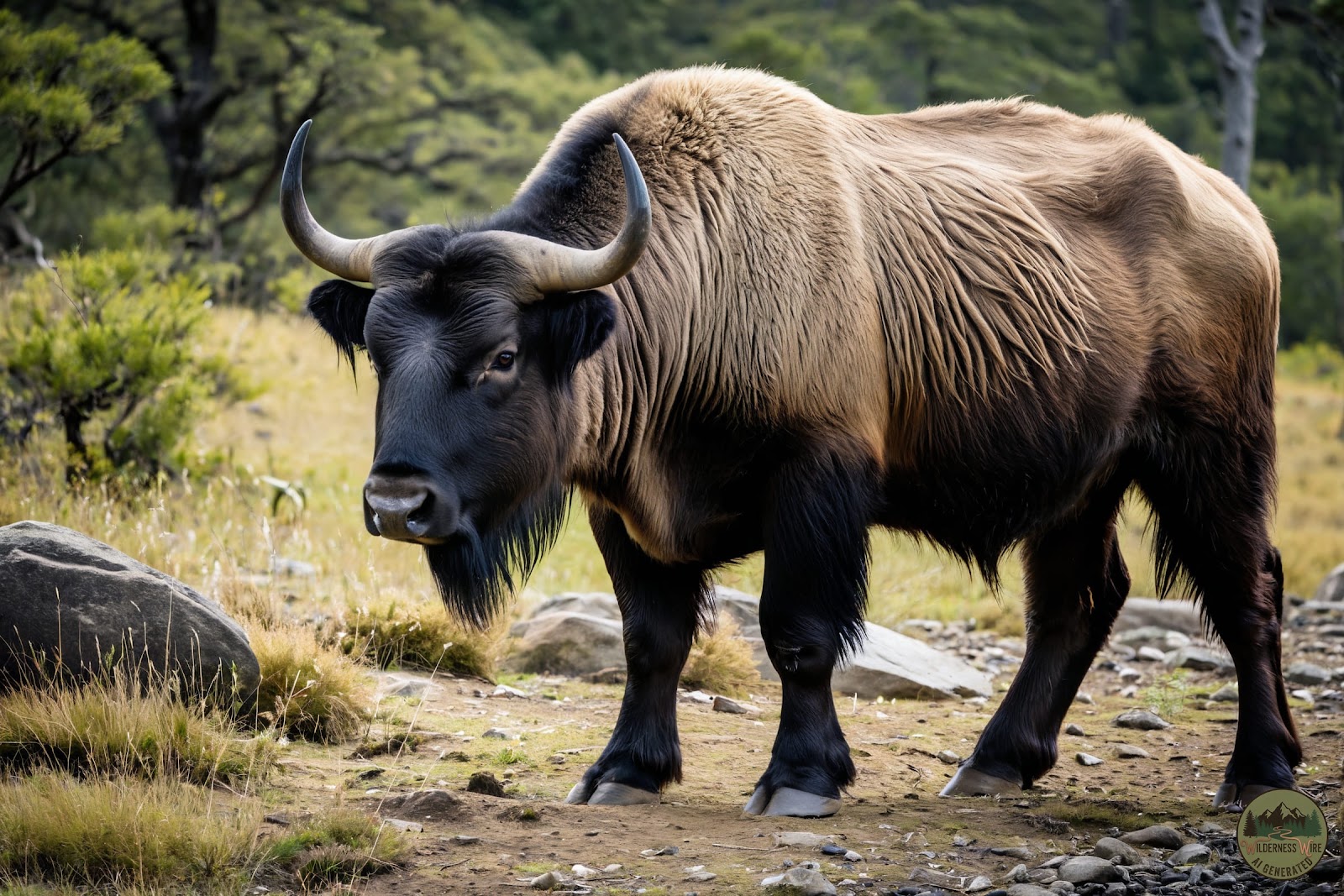
Takin_00001_ Deep within the mist-shrouded peaks and dense bamboo thickets of the eastern Himalayas lives one of the world’s most enigmatic and structurally unique ungulates: the takin. Often described by naturalists as a "biological oddity," this heavy-set herbivore appears to be a chimeric assembly of various other animals. With the stocky body of a cow, the sloping back of a hyena, the legs of a bear, and the curved horns of a wildebeest, the takin defies simple categorization. Biologically, however, it is most closely related to sheep and goats, belonging to the subfamily Caprinae. This creature is perfectly engineered for its life in some of the most unforgiving alpine environments on the planet, moving with surprising agility across rocky precipices and through vertical forests where few other large mammals could survive. The takin’s physical adaptations are a masterclass in evolutionary specialization for high-altitude survival. One of its most distinctive features...
The Takin: Exploring the Enigmatic Mountain Monarch and the Legendary Golden Fleece of Asia

Image
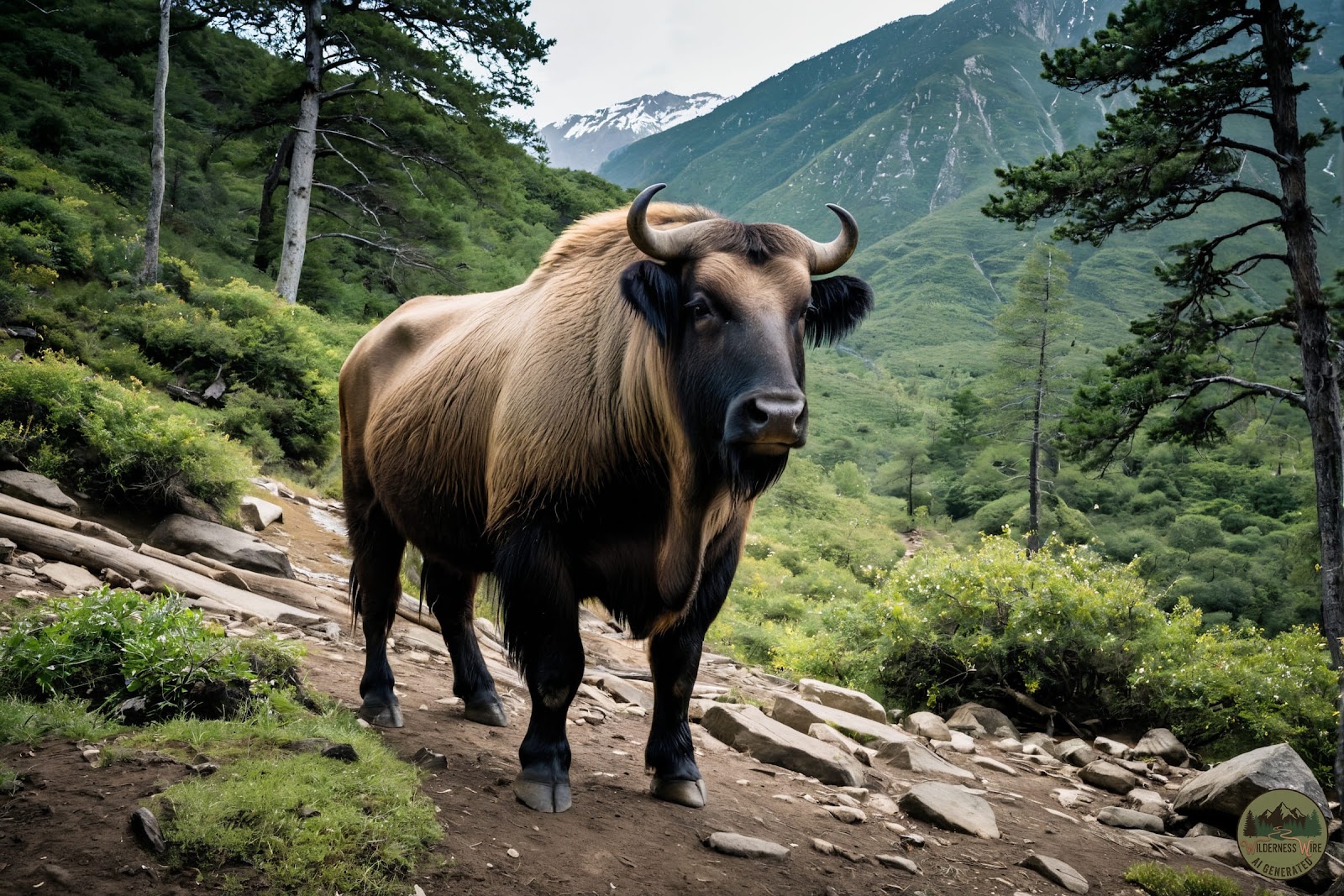
Takin_00002_ The Takin (Budorcas taxicolor) is perhaps one of the most enigmatic and physically distinctive ungulates found in the high-altitude regions of Asia. Often described by naturalists as a "taxonomic curiosity," this heavy-set goat-antelope appears as if it were assembled from the parts of several different animals. It possesses the arched bridge of a moose’s nose, the thick, powerful neck and sloping back of a bison, the stout legs of a bear, and the spiraling horns of a wildebeest. Despite its somewhat lumbering appearance, the Takin is a master of its vertical world, navigating the precipitous slopes of the Eastern Himalayas and the Tibetan Plateau with a grace that defies its 600-to-700-pound frame. Native to the dense bamboo forests and rocky alpine meadows of Bhutan, China, India, and Myanmar, the Takin is the largest member of the Caprinae subfamily, which includes goats and sheep. While its appearance might suggest a closer relation to cattle or muskoxen,...

 This website utilizes artificial intelligence (AI) systems to generate, draft, and edit content. All text, images, and media on this site should be considered AI-generated or AI-assisted unless explicitly stated otherwise.