Posts

Showing posts with the label Wallaby

Understanding the Biology and Evolutionary Diversity of Australia’s Highly Specialized Wallaby Species
Image
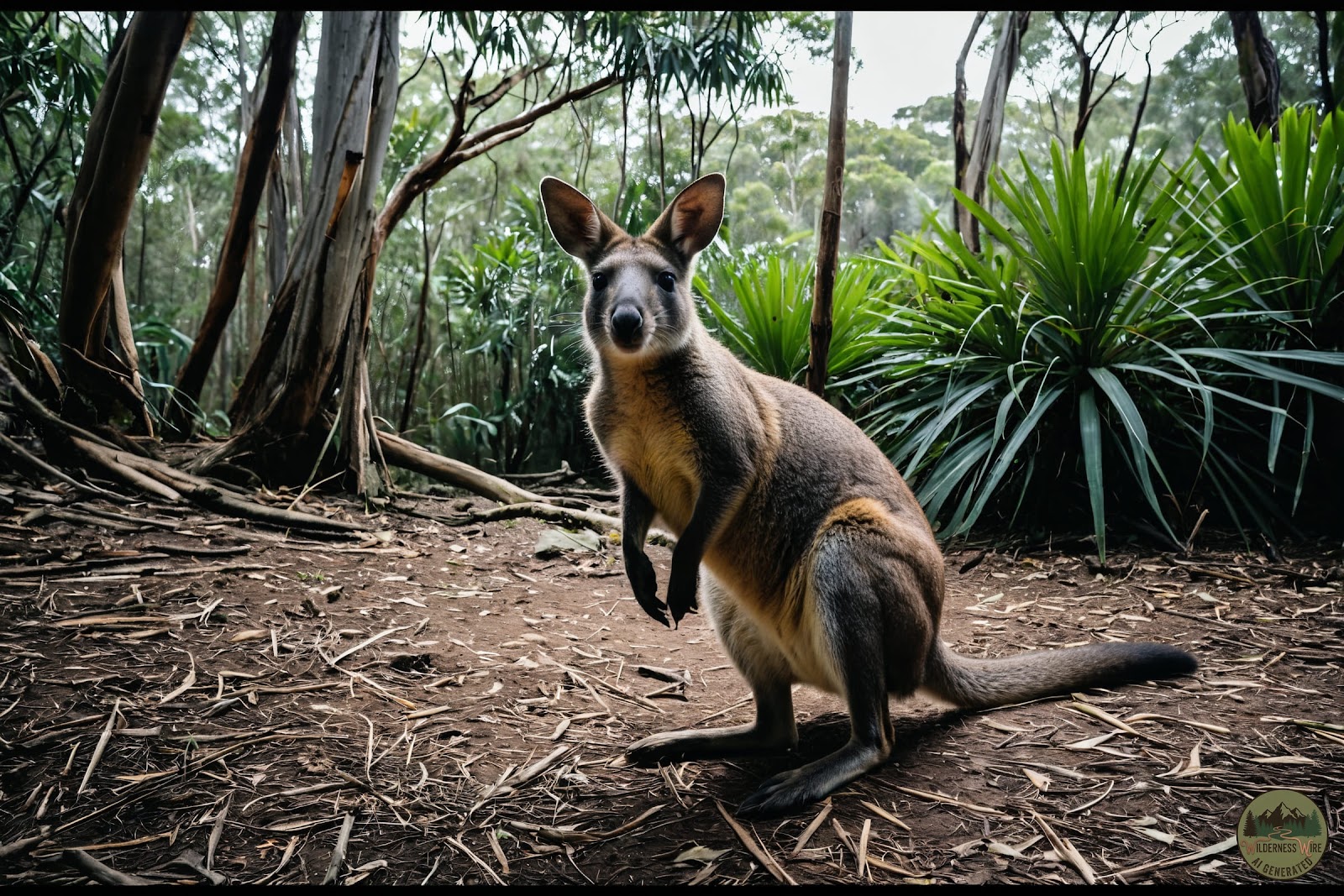
Wallaby_00002_ The Australian continent is home to an extraordinary array of marsupials, but few are as iconic yet misunderstood as the wallaby. While often overshadowed by their larger cousins, the kangaroos, wallabies represent a diverse and highly specialized group of macropods that have adapted to nearly every corner of the Australasian landscape. Ranging from the rugged cliffs of the interior to the dense rainforests of the north, these animals exhibit a remarkable degree of evolutionary plasticity. To understand the wallaby is to understand the complexity of the Macropodidae family, which includes about 50 species that vary significantly in size, behavior, and physiological adaptation. The distinction between a wallaby and a kangaroo is largely one of scale and habitat rather than a strict taxonomic divide. Generally, the term "wallaby" is applied to any macropod that is smaller than a kangaroo or a wallaroo. However, the differences extend beyond mere height. Walla...
The Biology and Resilience of Wallabies: Exploring the Evolutionary Success of Australia’s Marsupials

Image
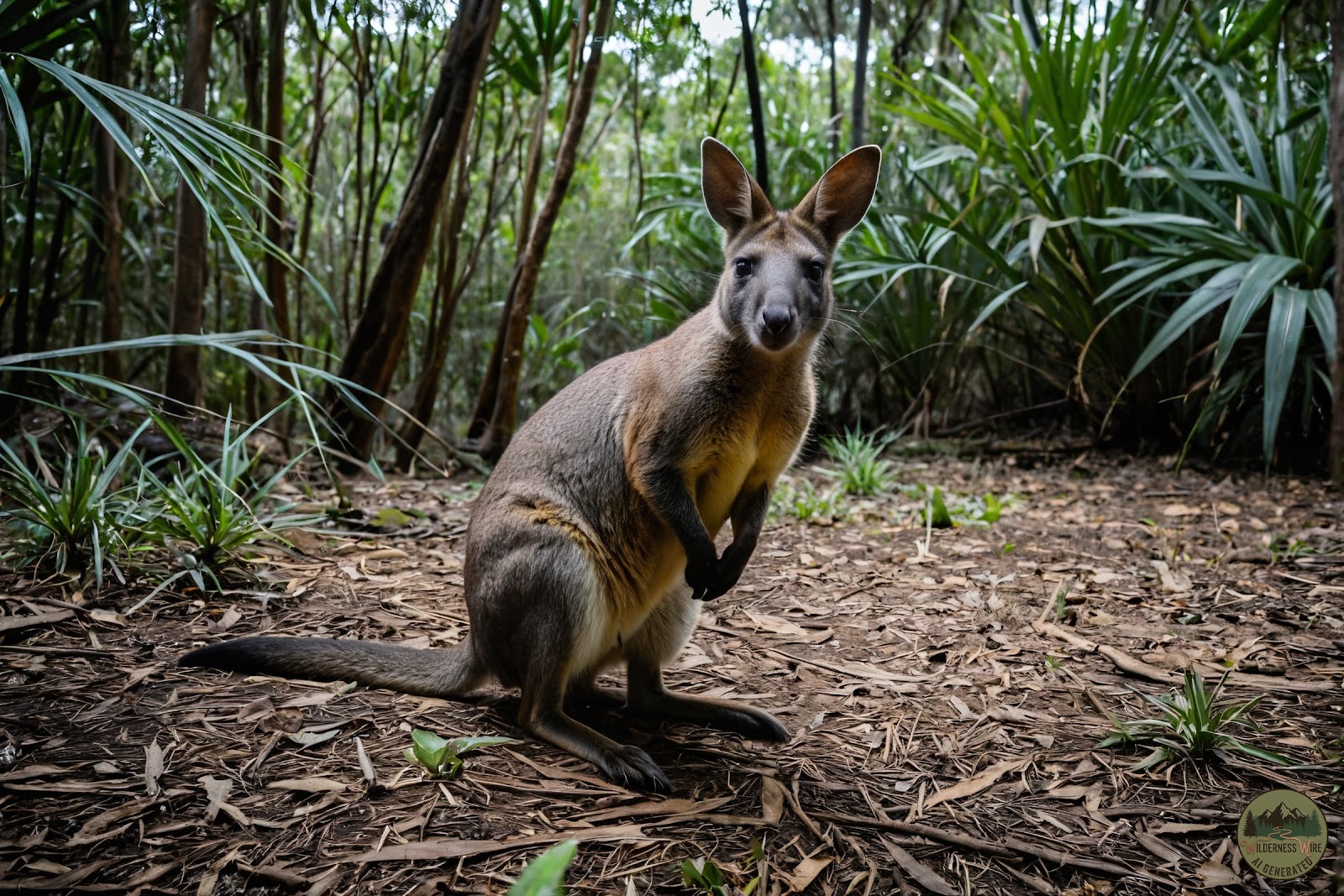
The marsupials of the family Macropodidae represent some of the most specialized and evolutionary successful mammals in the Southern Hemisphere. Among these, the creatures collectively known as wallabies occupy a diverse range of ecological niches across the Australian continent, Tasmania, and New Guinea. While frequently confused with their larger cousins, the kangaroos, wallabies are defined by a distinct set of morphological traits and ecological behaviors that allow them to thrive in environments ranging from rugged rock faces to dense, tropical rainforests. Understanding the nuances of these animals requires a look beyond their iconic hopping gait into the complexities of their biology, reproductive strategies, and the environmental pressures they face in a rapidly changing world. Taxonomically, the term wallaby is not a single scientific classification but rather a grouping of several genera within the Macropodidae family. Generally, a macropod is designated a wallaby if it i...

The Remarkable Biology and Survival Secrets of the Agile Australian Wallaby

Image
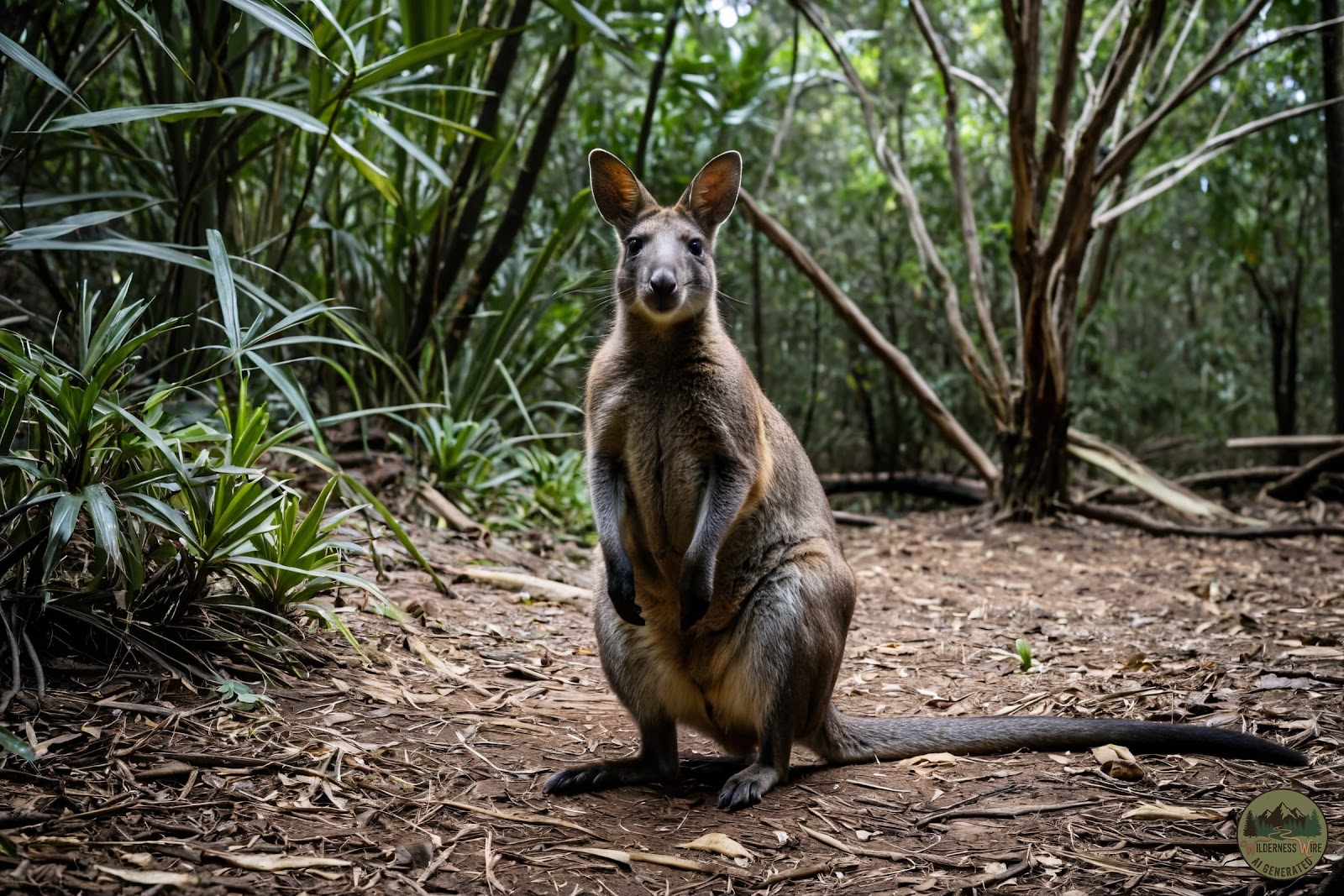
Wallaby_00003_ The Australian landscape is home to an extraordinary array of marsupials, but few are as iconic or as varied as the wallaby. Often overshadowed by their larger cousins, the kangaroos, wallabies represent a diverse group of species within the Macropodidae family. This family name, meaning "large foot," aptly describes the most distinctive physical trait of these animals: their powerful hind limbs designed for saltatorial locomotion, or hopping. While the term wallaby is often used as a catch-all for any mid-sized macropod, these animals possess unique biological adaptations and ecological roles that distinguish them within the Australian wilderness. Evolutionarily, wallabies have adapted to a staggering range of environments, from the dense, humid rainforests of northern Queensland to the arid, rocky outcrops of the central deserts. There are roughly 30 species of wallabies, generally categorized by their preferred habitats—such as brush wallabies, rock wall...

 This website utilizes artificial intelligence (AI) systems to generate, draft, and edit content. All text, images, and media on this site should be considered AI-generated or AI-assisted unless explicitly stated otherwise.