The Biology and Resilience of Wallabies: Exploring the Evolutionary Success of Australia’s Marsupials
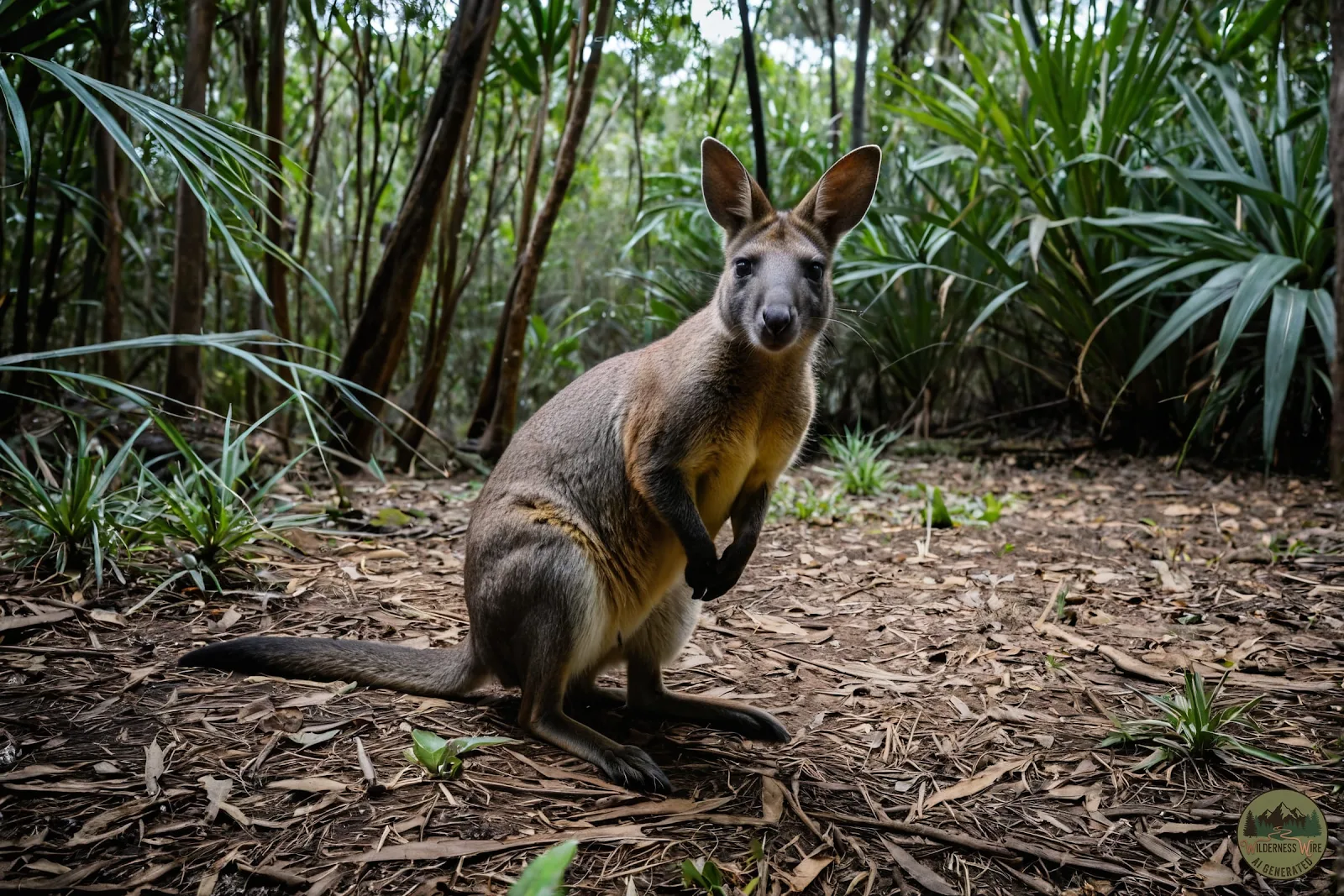
The marsupials of the family Macropodidae represent some of the most specialized and evolutionary successful mammals in the Southern Hemisphere. Among these, the creatures collectively known as wallabies occupy a diverse range of ecological niches across the Australian continent, Tasmania, and New Guinea. While frequently confused with their larger cousins, the kangaroos, wallabies are defined by a distinct set of morphological traits and ecological behaviors that allow them to thrive in environments ranging from rugged rock faces to dense, tropical rainforests. Understanding the nuances of these animals requires a look beyond their iconic hopping gait into the complexities of their biology, reproductive strategies, and the environmental pressures they face in a rapidly changing world.
Taxonomically, the term wallaby is not a single scientific classification but rather a grouping of several genera within the Macropodidae family. Generally, a macropod is designated a wallaby if it is significantly smaller than a kangaroo or a wallaroo. However, the distinction is more than just a matter of scale. Anatomical differences, particularly in the structure of the teeth and the length of the hind legs relative to the body, provide a clearer picture of their evolutionary divergence. While kangaroos possess high-crowned teeth suited for grinding the tough grasses of open plains, many wallaby species have evolved flatter premolars designed for shearing leaves and woody shrubs found in scrubland and forested areas.
The specialized locomotion of these animals, known as saltation, is a marvel of biological engineering. Hopping is an incredibly energy-efficient way to travel long distances at moderate speeds. The secret lies in the massive tendons of their hind legs, which act like oversized springs. When the animal lands, the tendons compress and store elastic strain energy; as they push off, that energy is released, propelling them forward with minimal muscular effort. This efficiency is crucial in the arid Australian interior, where resources are often sparse and traveling between water sources is a metabolic necessity. Interestingly, while this movement is highly effective on land, it renders them unable to move their hind legs independently except when swimming, which they do with surprising proficiency when forced to cross waterways.
One of the most remarkable aspects of their biology is the reproductive phenomenon known as embryonic diapause. This sophisticated biological "pause button" allows a female to essentially freeze the development of an embryo at the blastocyst stage. If environmental conditions are harsh—such as during a severe drought—or if she is already nursing a joey in her pouch, the mother can delay the birth of the next offspring until the environment is more favorable or the previous joey has vacated the pouch. This ensures a continuous succession of offspring while maximizing the survival chances of each. The degree of maternal investment is extraordinary; a female may simultaneously support three different stages of offspring: a dormant embryo in the uterus, a tiny underdeveloped neonate attached to a teat in the pouch, and a young "at-foot" joey that still returns to drink milk.
Ecologically, wallabies are categorized into several functional groups, each adapted to specific terrains. The Brush Wallabies, belonging to the genus Macropus, are perhaps the most familiar, often found in the woodlands of eastern and southern Australia. Conversely, the Rock-wallabies (genus Petrogale) have developed specialized feet with thick, padded soles and granulated skin that provide exceptional grip on sheer stone surfaces. Their tails, unlike the thick, balancing "third legs" of kangaroos, are long and highly flexible, acting as a counterbalance as they leap between granite boulders with a precision that rivals the mountain goats of the northern hemisphere. Their ability to survive in these rocky citadels has historically protected them from certain predators, though it makes them vulnerable to the fragmentation of their very specific habitats.
The environmental impact of these marsupials on their native ecosystems is profound. As primary herbivores, they influence the structure of plant communities through selective grazing and browsing. This, in turn, affects the availability of cover for smaller vertebrates and the fuel load for bushfires. In some regions, they serve as "ecosystem engineers," where their digging for roots and tubers aerates the soil and creates microsites for seed germination. However, their populations are currently under significant pressure. The introduction of invasive predators, particularly the red fox and feral cats, has decimated certain species, especially those in the medium-sized "critical weight range" who are too large to hide easily but too small to defend themselves effectively.
Conservation efforts have seen varying degrees of success. Some species, such as the Yellow-footed Rock-wallaby, have become icons of Australian wildlife recovery programs, benefiting from intensive predator control and habitat restoration. Yet, the challenges of climate change—marked by increasing frequency of extreme heatwaves and shifts in rainfall patterns—threaten to outpace these efforts. Changes in vegetation mean that the specialized diets of certain wallaby species are no longer as accessible, forcing them into closer proximity with human settlements and agricultural lands, leading to increased instances of road mortality and conflict with livestock producers.
Beyond Australia, the story of the wallaby takes an unusual turn through introduced populations. Small colonies now exist in diverse locations such as the Isle of Man, the Peak District in England, and even parts of Hawaii and New Zealand. These populations, often originating from private collections or zoo escapes, demonstrate the remarkable adaptability of the species. In the rugged climate of the British Isles, for instance, feral wallabies have managed to survive and even thrive for decades, proving that their evolutionary toolkit—designed for the harsh Australian bush—is versatile enough to handle significantly colder and wetter environments.
In the broader context of natural history, these creatures serve as a reminder of the unique evolutionary trajectory of isolated landmasses. While placental mammals came to dominate most of the globe, the marsupial lineage followed its own sophisticated path in Australia and New Guinea. The result is a creature of exceptional beauty and resilience, perfectly attuned to the rhythms of its environment. Whether they are sunning themselves on a granite outcrop or quietly browsing in the understory of a eucalyptus forest, wallabies remain a vital and fascinating component of the world's biological heritage, demanding both our respect and our continued efforts toward their preservation.