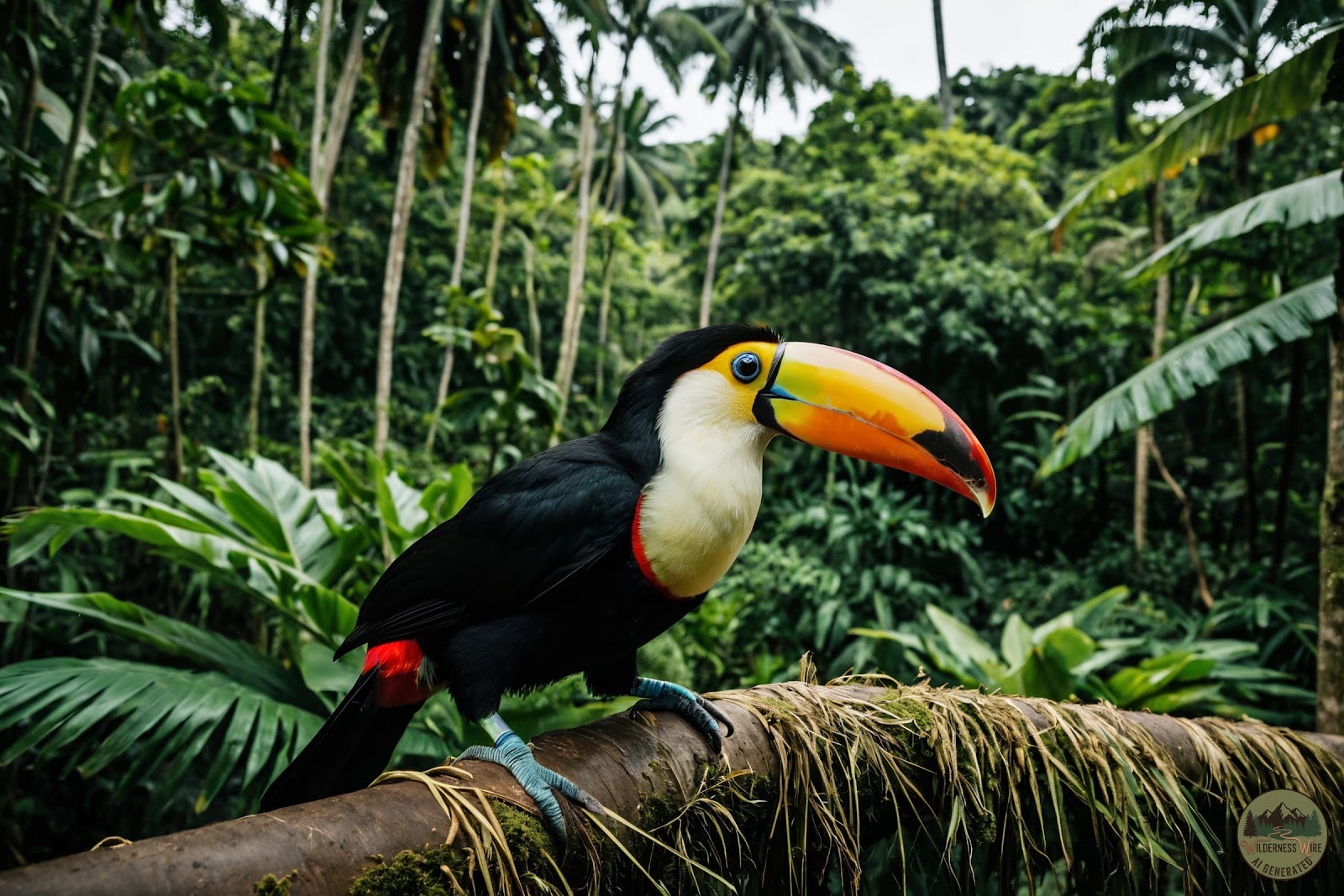
The Evolutionary Adaptations and Critical Ecological Impact of the Iconic Neotropical Rainforest Toucan
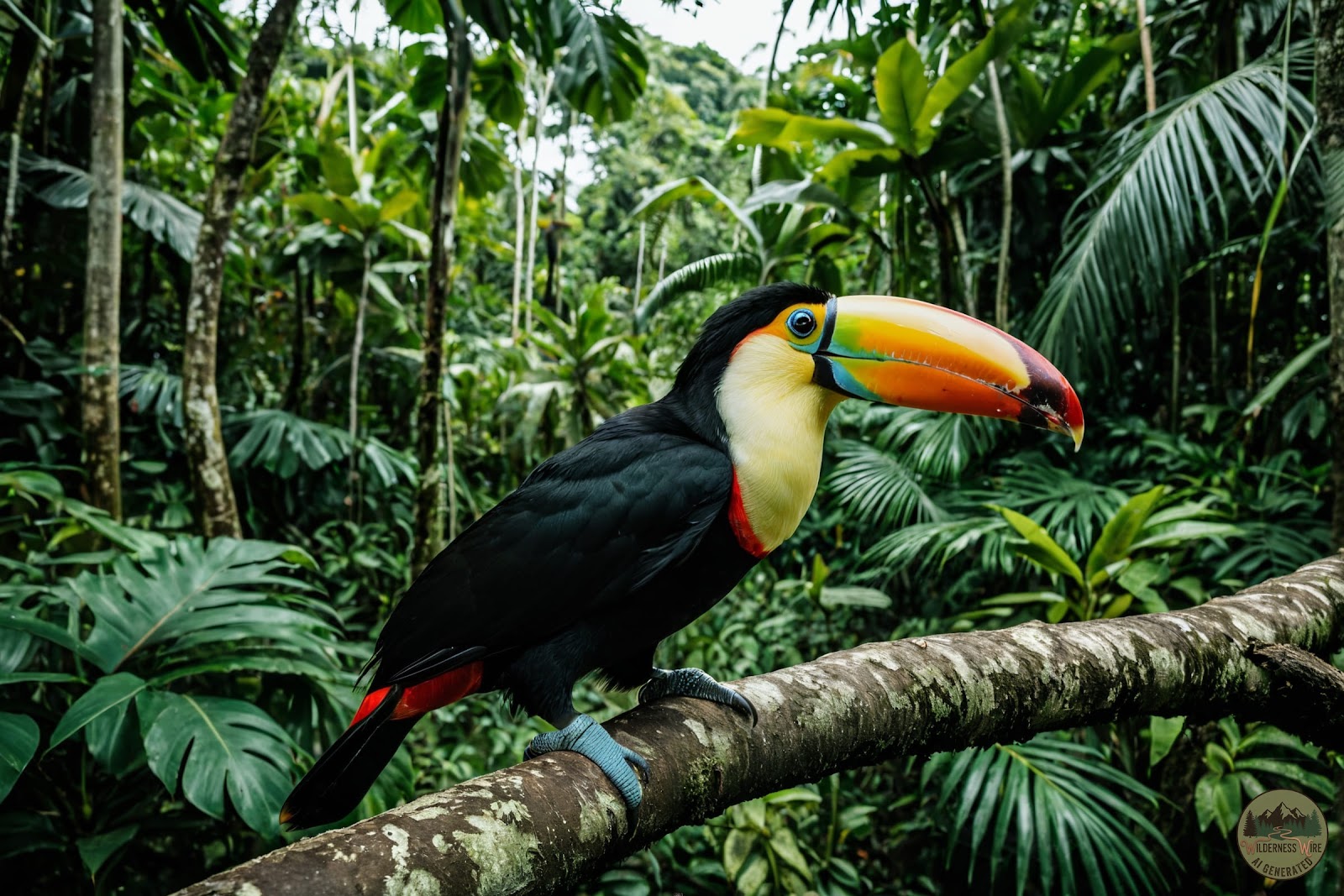
The Neotropical canopy of Central and South America is home to an array of biological marvels, but few creatures command as much immediate attention or embody the vibrant complexity of the rainforest as the toucan. Belonging to the family Ramphastidae, these birds are defined by their oversized, multi-colored bills and striking plumage. While they have become global icons of tropical biodiversity, the biological reality of the toucan reveals a series of sophisticated evolutionary adaptations that allow them to thrive in some of the most competitive ecosystems on Earth. Far from being a mere aesthetic curiosity, the toucan's morphology is a masterclass in specialized engineering and ecological utility. The most distinctive feature of the toucan is undoubtedly its massive bill, which in some species can account for more than a third of the bird’s total body length. For decades, naturalists debated the primary function of such an unwieldy-looking appendage. Early theories suggeste...