Posts

Showing posts with the label Animal

Majestic Red Deer: Ecology, Behavior, and Conservation
Image
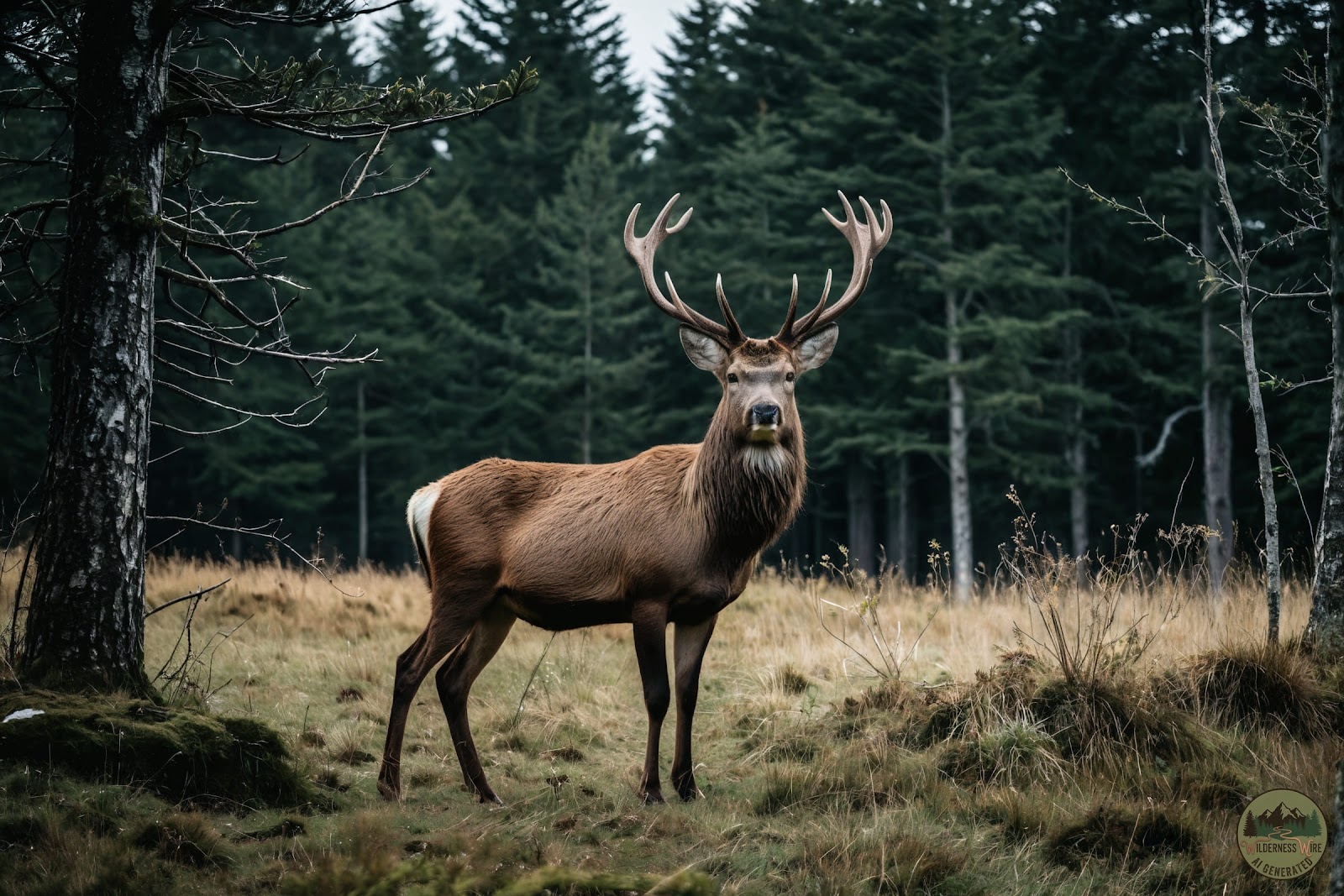
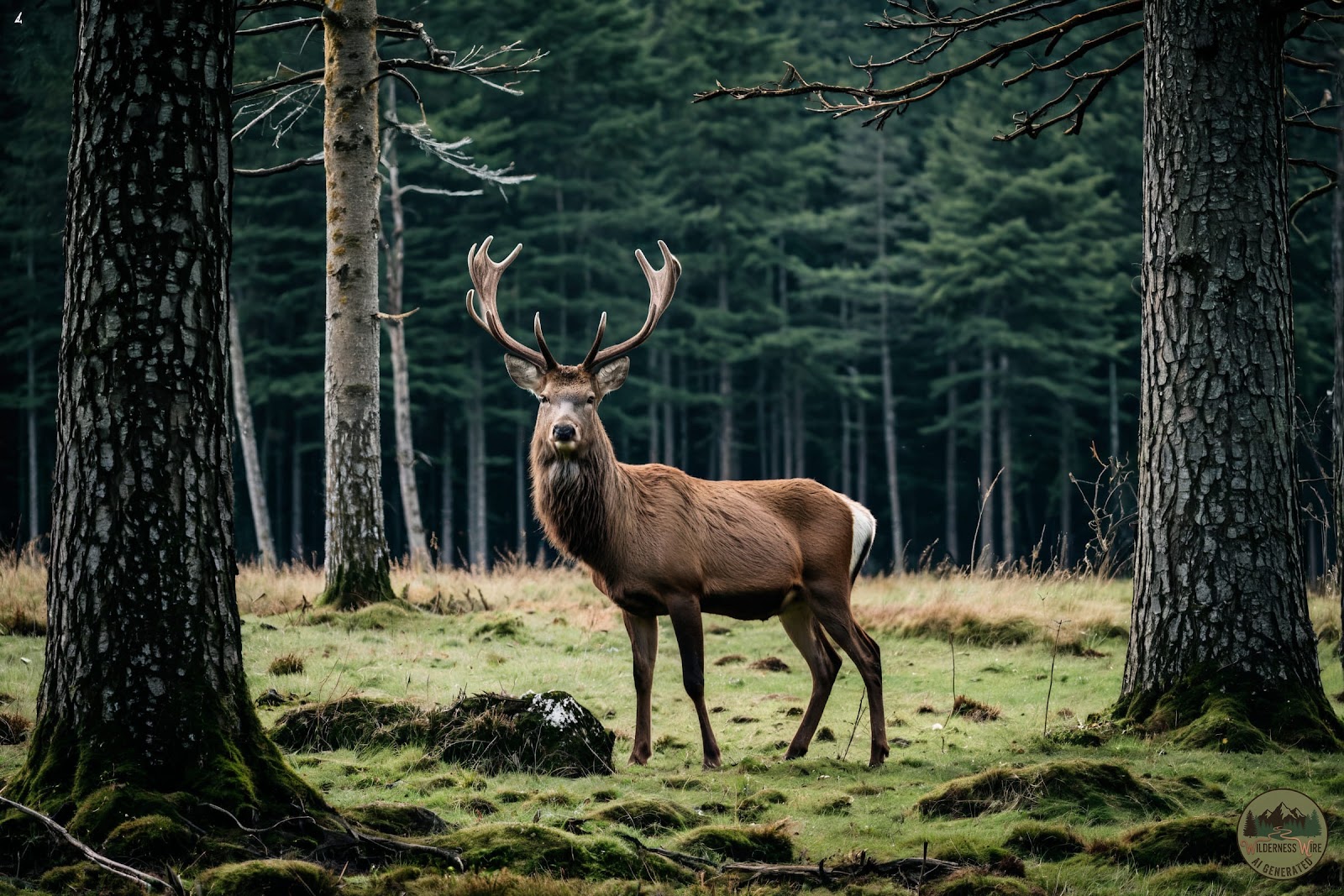
The Red Deer: Monarch of the Northern Wilderness The majestic red deer ( Cervus elaphus ) stands as one of the largest and most iconic deer species on the planet. Evoking the untamed spirit of the wild, this resilient herbivore graces a massive territory across the Northern Hemisphere—stretching from the ancient, dense forests of Europe to the rugged mountains of Asia and the highlands of North Africa. Over millennia, the red deer has cemented its place as an ecological keystone, reshaping forest vegetation and serving as a vital food source for top predators. +------------------+---------------------------------------------------------+ | Feature | Red Deer Profile | +------------------+---------------------------------------------------------+ | Scientific Name | Cervus elaphus | | Range | Europe, Asia, and parts of North Africa | | Shoulder Height | Well over 1 me...
Red Deer: Majestic Icons of Wild European and Asian Landscapes

Image
Red Deer are substantial, powerful animals that exhibit clear sexual dimorphism. Their coats are highly responsive to the seasons: a vibrant russet-brown in the summer transitions to a muted grey-brown in the winter, providing excellent camouflage against changing wilderness backdrops. A distinctive pale rump patch further marks their silhouette. The physical hallmarks of the sexes include: The Stags (Males): Significantly larger than females, mature stags carry an impressive crown of antlers . Shed annually in late winter or early spring, these bony weapons regrow rapidly over the summer. During this time, they are encased in a blood-rich, sensitive skin layer called "velvet." Once hardened, stags scrape the velvet off against trees to expose the polished bone underneath. Antler size and complexity serve as direct signals of a stag's age, dominance, and nutritional health. The Hinds (Females): Smaller, hornless, and highly social, hinds form the backbone of the species...

The Red Fox: A Master of Adaptability and Cunning

Image
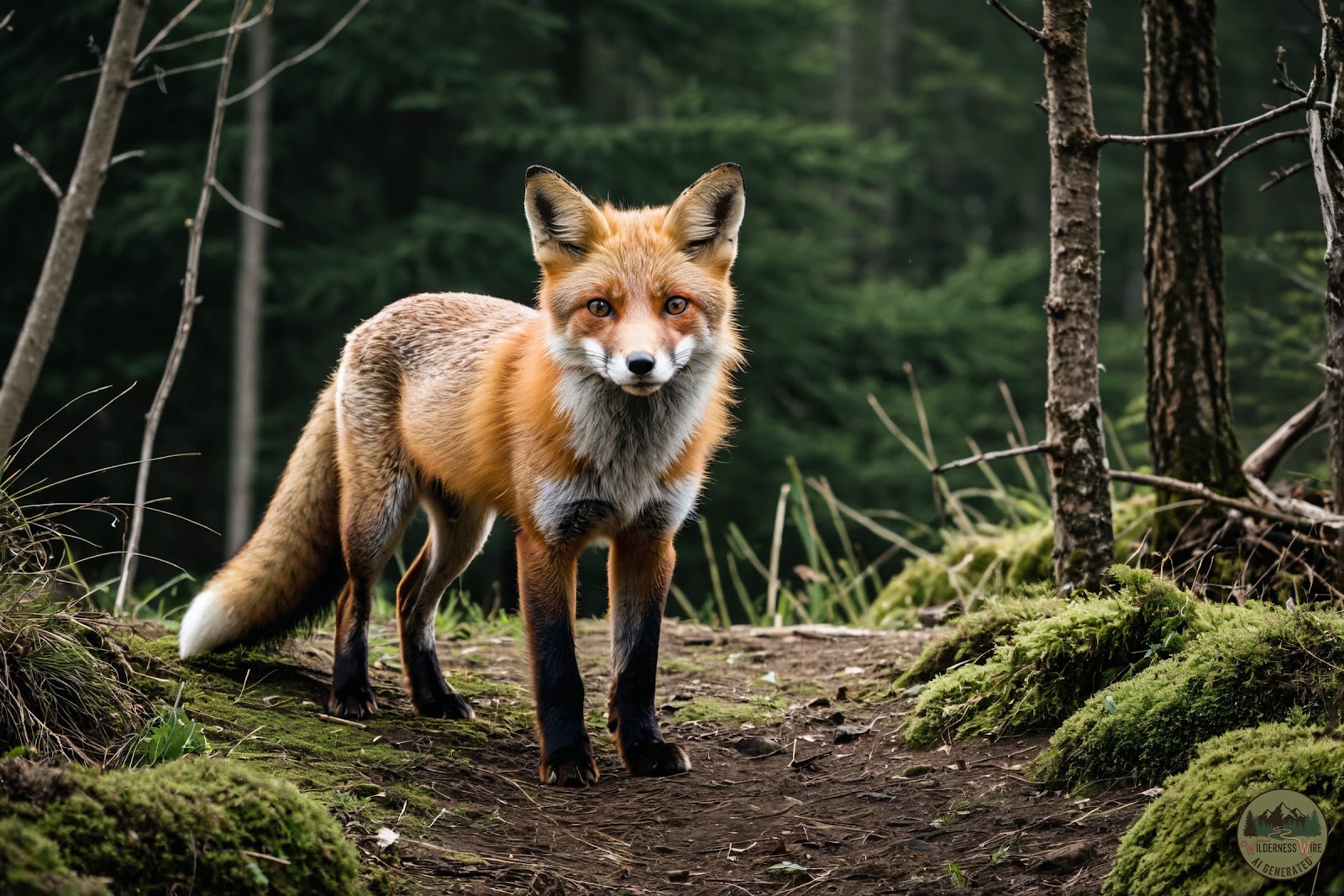
Thriving across almost every imaginable environment—from freezing arctic tundras and scorching deserts to the concrete grid of major cities—this clever mammal is far more than the simple "trickster" of ancient folklore. It is a biological marvel defined by sharp intelligence, opportunistic survival strategies, and sensory capabilities that border on the extraordinary. +------------------+---------------------------------------------------------+ | Feature | Red Fox Profile | +------------------+---------------------------------------------------------+ | Scientific Name | Vulpes vulpes | | Class | Mammalia (Canidae family) | | Weight Range | 3 to 14 kilograms (6.5 to 31 pounds) | | Diet | Omnivorous opportunist (rodents, birds, berries, trash) | | Hunting Superpower| Uses Earth's magnetic field for precis...

The Roe Deer: Europe's Elusive and Resilient Woodland Marvel

Image
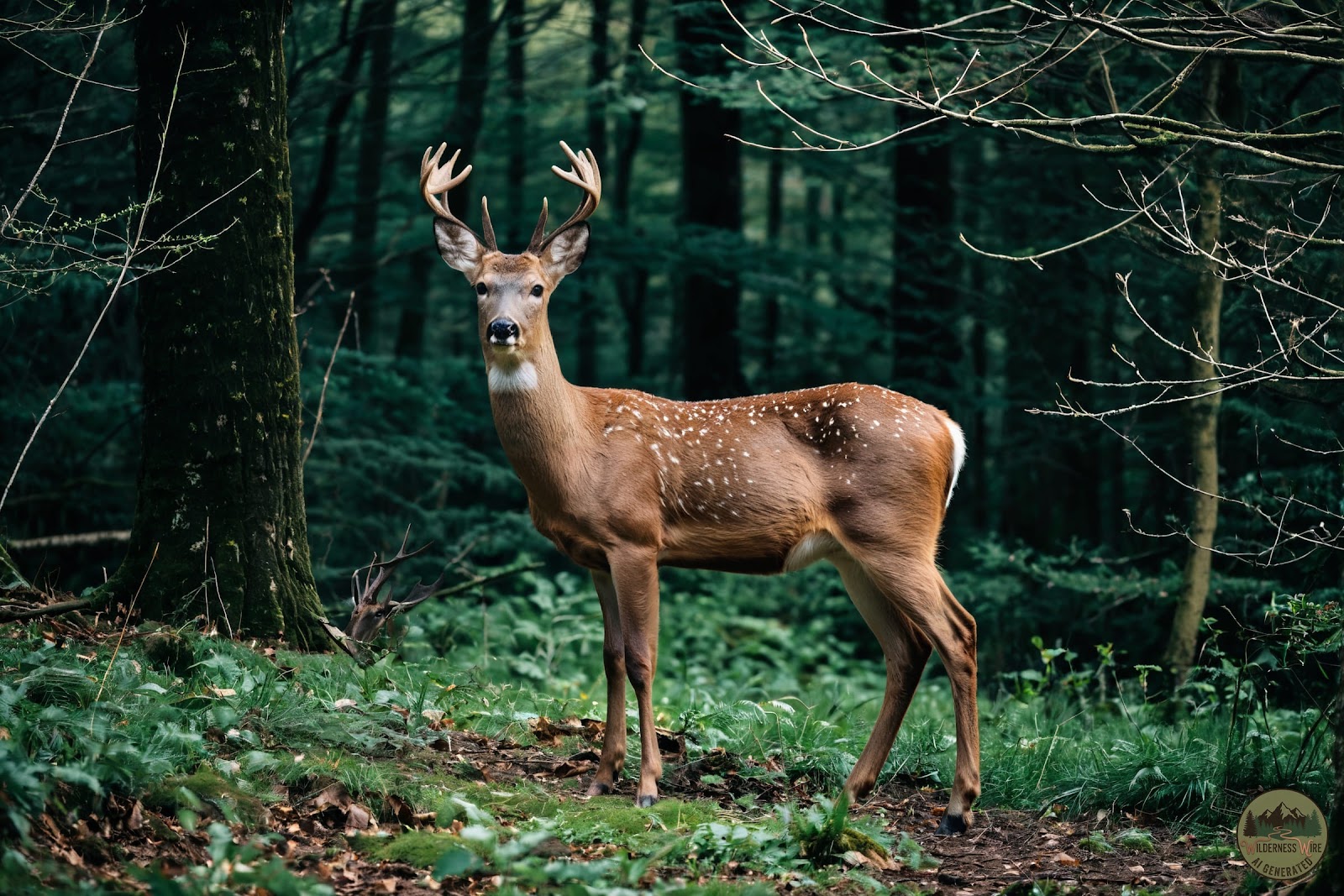
The roe deer, a creature of unassuming elegance, is a familiar, yet often elusive, presence across the diverse landscapes of Europe and parts of Asia. Known scientifically as Capreolus capreolus , this relatively small cervid species embodies adaptability and resilience, thriving in environments ranging from dense woodlands and ancient forests to agricultural plains and suburban fringes. Its agility and secretive nature allow it to navigate human-modified landscapes with surprising success, often glimpsed at dawn or dusk as it ventures from cover. Distinguished by its compact build and graceful movements, the roe deer typically stands between 60 to 75 centimeters at the shoulder and weighs a modest 15 to 30 kilograms. Its coat undergoes a striking seasonal transformation: a vibrant reddish-brown in the warmer months, providing excellent camouflage amidst summer foliage, which then molts into a duller, thicker greyish-brown during winter, offering both warmth and disguise against the...

The Roe Deer: Elusive Woodland Dweller with Unique Biological Wonders

Image
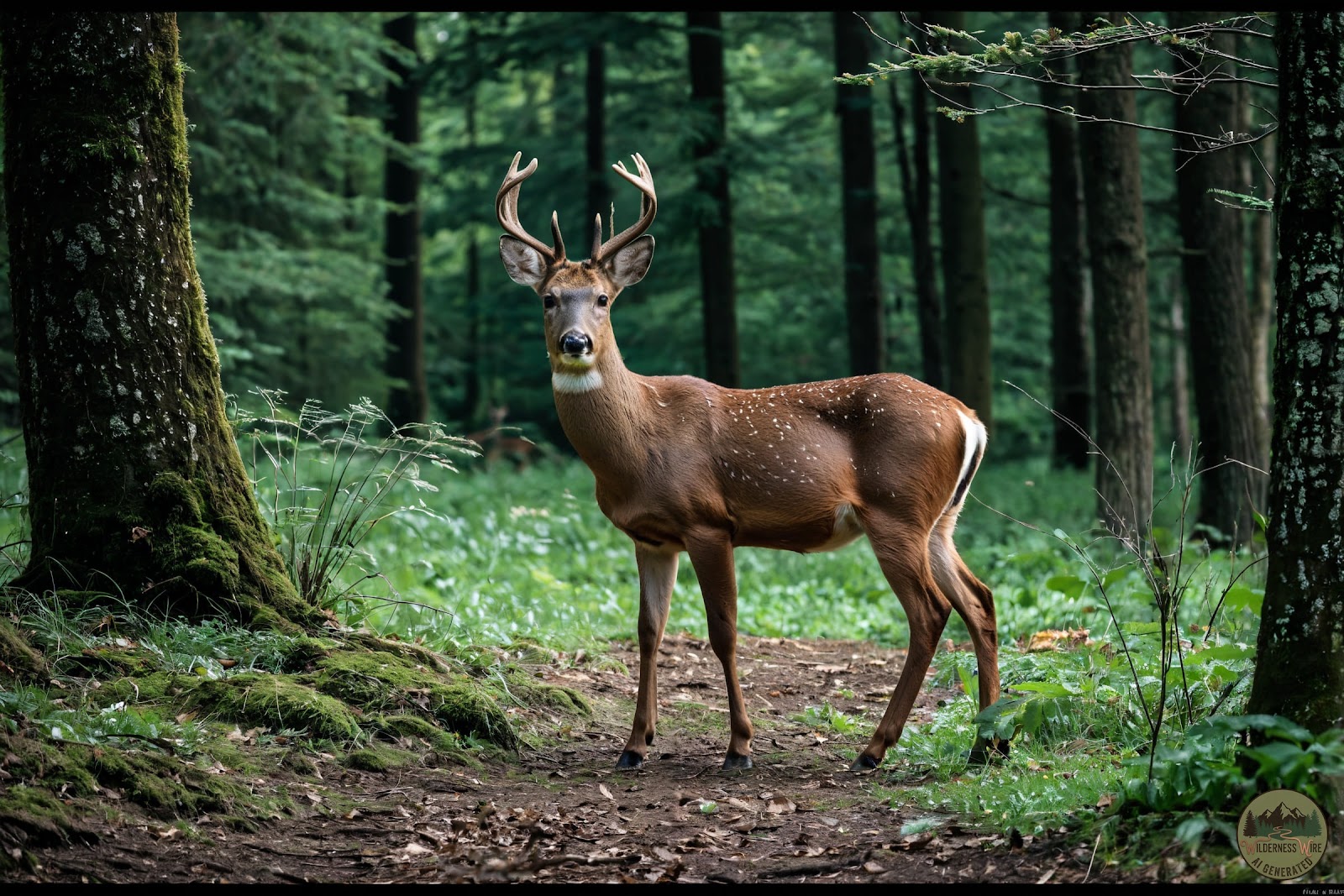
The graceful and often elusive creature depicted, commonly known as the Roe Deer, is a cornerstone of many European and Asian woodlands. Despite its widespread presence, its delicate form and cautious nature allow it to blend seamlessly into its environment, making close observation a rewarding, yet challenging, experience for naturalists. These elegant cervids are the smallest native deer species across much of their extensive range, characterized by their compact build, distinctive markings, and a unique life cycle that sets them apart from many of their larger relatives. Physically, these deer are immediately recognizable by their slender bodies and relatively short, stocky legs. Their coat color undergoes a significant transformation with the seasons: a striking reddish-brown hue dominates during the warmer months, providing excellent camouflage amidst the summer foliage. As autumn progresses, this vibrant coat gradually gives way to a duller, greyish-brown, sometimes even blacki...

The Elegant Roe Deer: Adaptability and Nature's Reproductive Marvel

Image
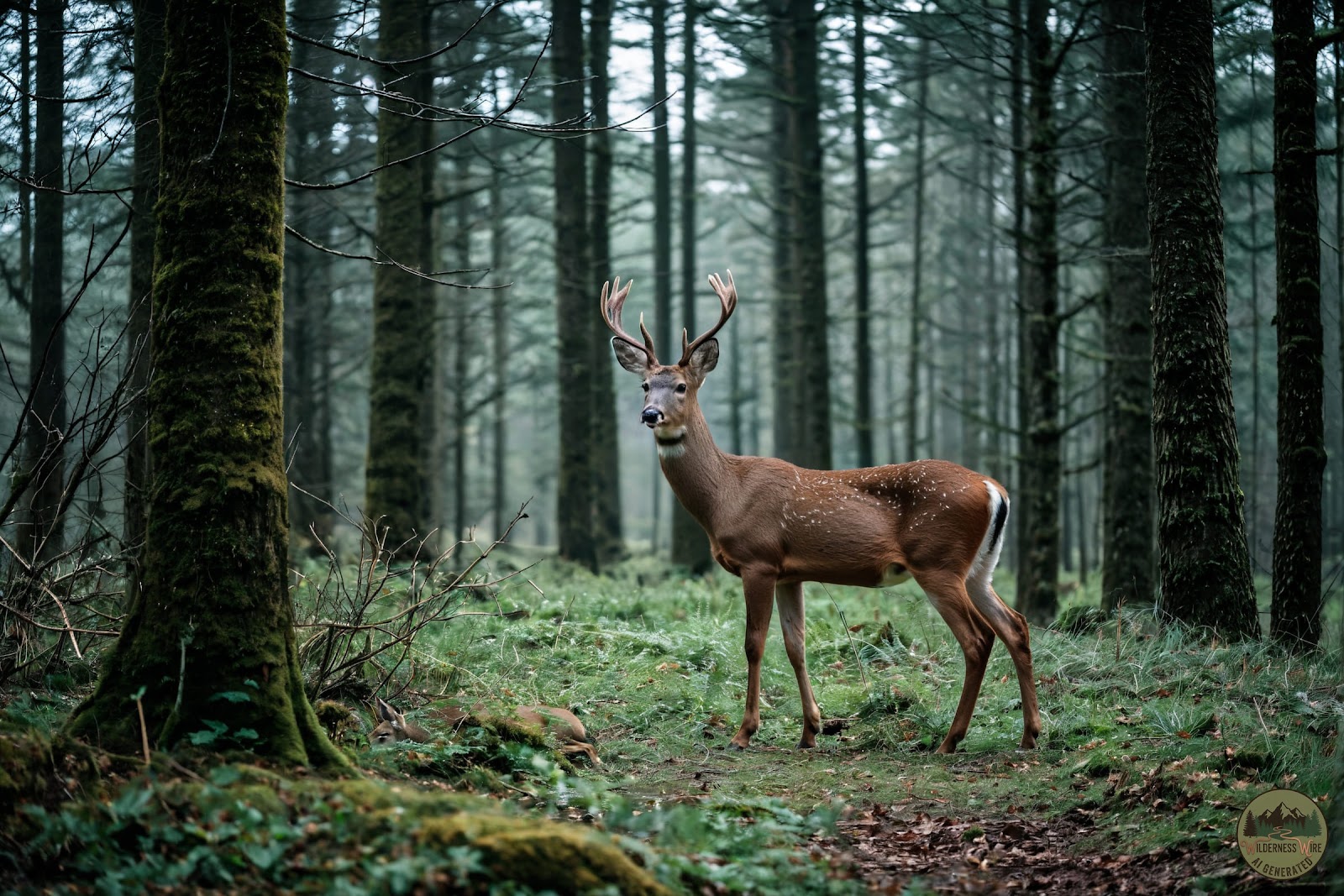
The Roe Deer, a quintessential inhabitant of European and Asian woodlands, presents an elegant and understated beauty that belies its remarkable adaptability and complex biological strategies. Often observed at the edges of forests, in clearings, or venturing into agricultural fields during twilight hours, this relatively small deer species holds a significant ecological niche and offers fascinating insights into mammalian survival. Its scientific classification, *Capreolus capreolus* for the European Roe Deer and *Capreolus pygargus* for the Siberian Roe Deer, hints at the subtle distinctions within the species, though both share many fundamental characteristics. Physically, the Roe Deer is a slender and graceful animal, typically standing between 65 to 75 centimeters at the shoulder and weighing between 15 to 30 kilograms. Its coat undergoes a striking seasonal transformation; in summer, it adopts a vibrant reddish-brown hue, often with a slightly darker head and neck, providing ex...

 This website utilizes artificial intelligence (AI) systems to generate, draft, and edit content. All text, images, and media on this site should be considered AI-generated or AI-assisted unless explicitly stated otherwise.