Posts

Showing posts with the label Tiger

The Majestic Tiger: Understanding the Biology and Conservation of the World's Most Iconic Cat
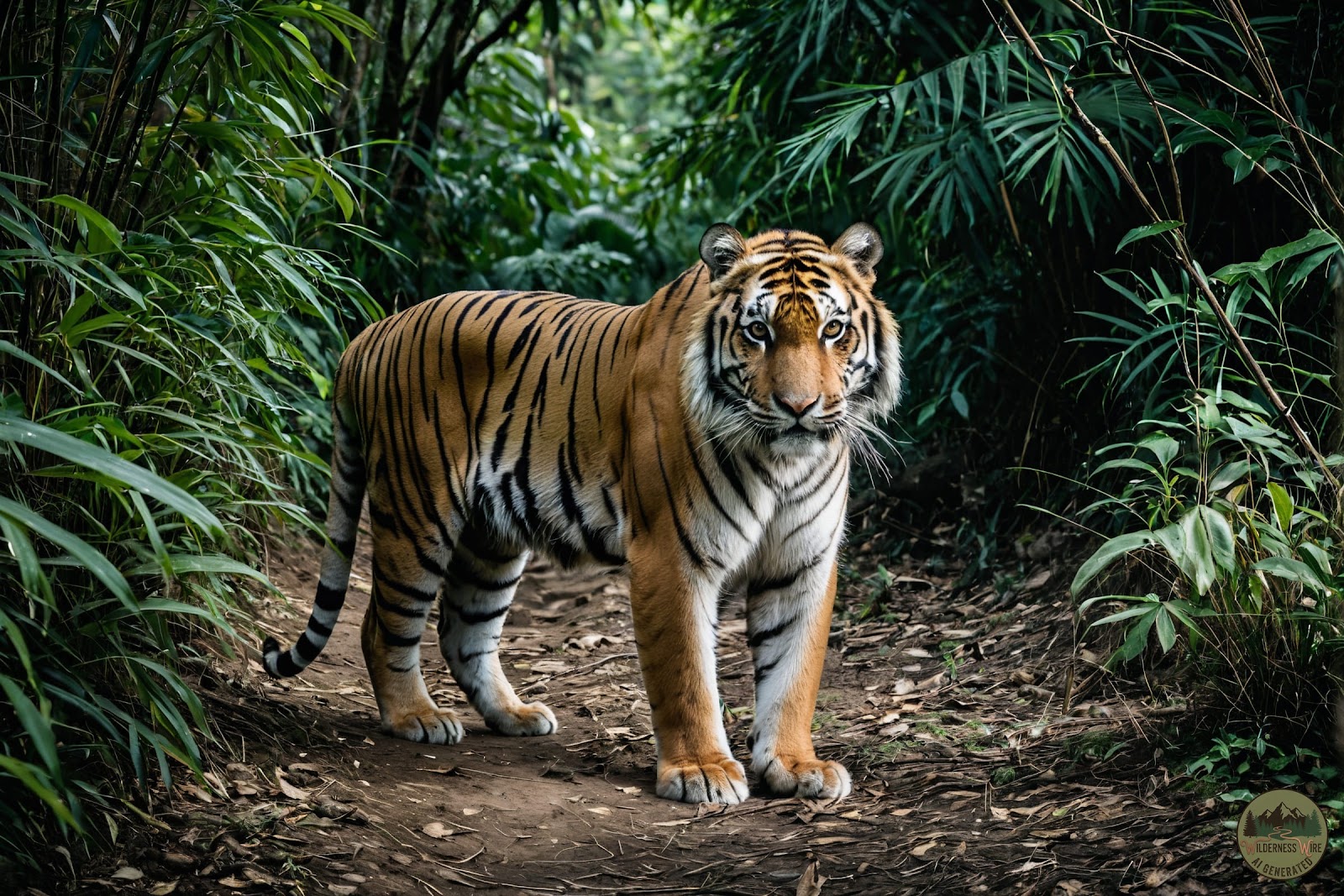
Image
The tiger (Panthera tigris) stands as the largest extant cat species in the world and a member of the genus Panthera. Often recognized by its dark vertical stripes on orange-brown fur with a lighter underside, this apex predator is not merely a symbol of raw power but also a cornerstone of the ecosystems it inhabits. To understand the tiger is to understand the intricate balance of the Asian wilderness, spanning from the frozen forests of the Russian Far East to the humid mangrove swamps of the Sundarbans. As a flagship species, the health of tiger populations serves as a primary indicator of the health of the entire forest ecosystem. When tigers thrive, it indicates that the prey base is sufficient and the vegetation is lush enough to support a complex food web. Evolutionarily, the tiger’s lineage diverged from other pantherine cats approximately 3.8 million years ago. Fossil evidence suggests that the earliest ancestors of the modern tiger appeared in East Asia during the Pliocen...
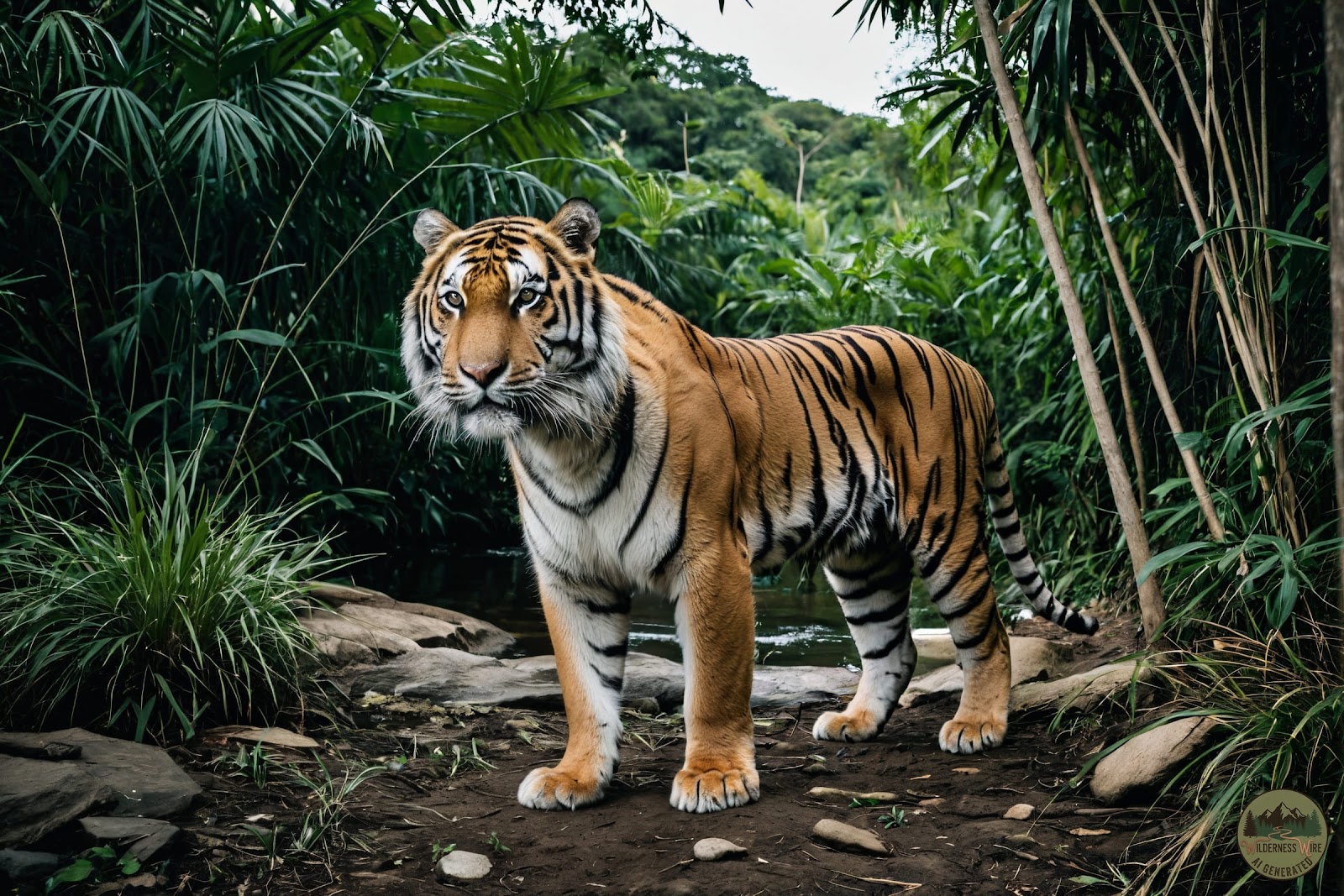
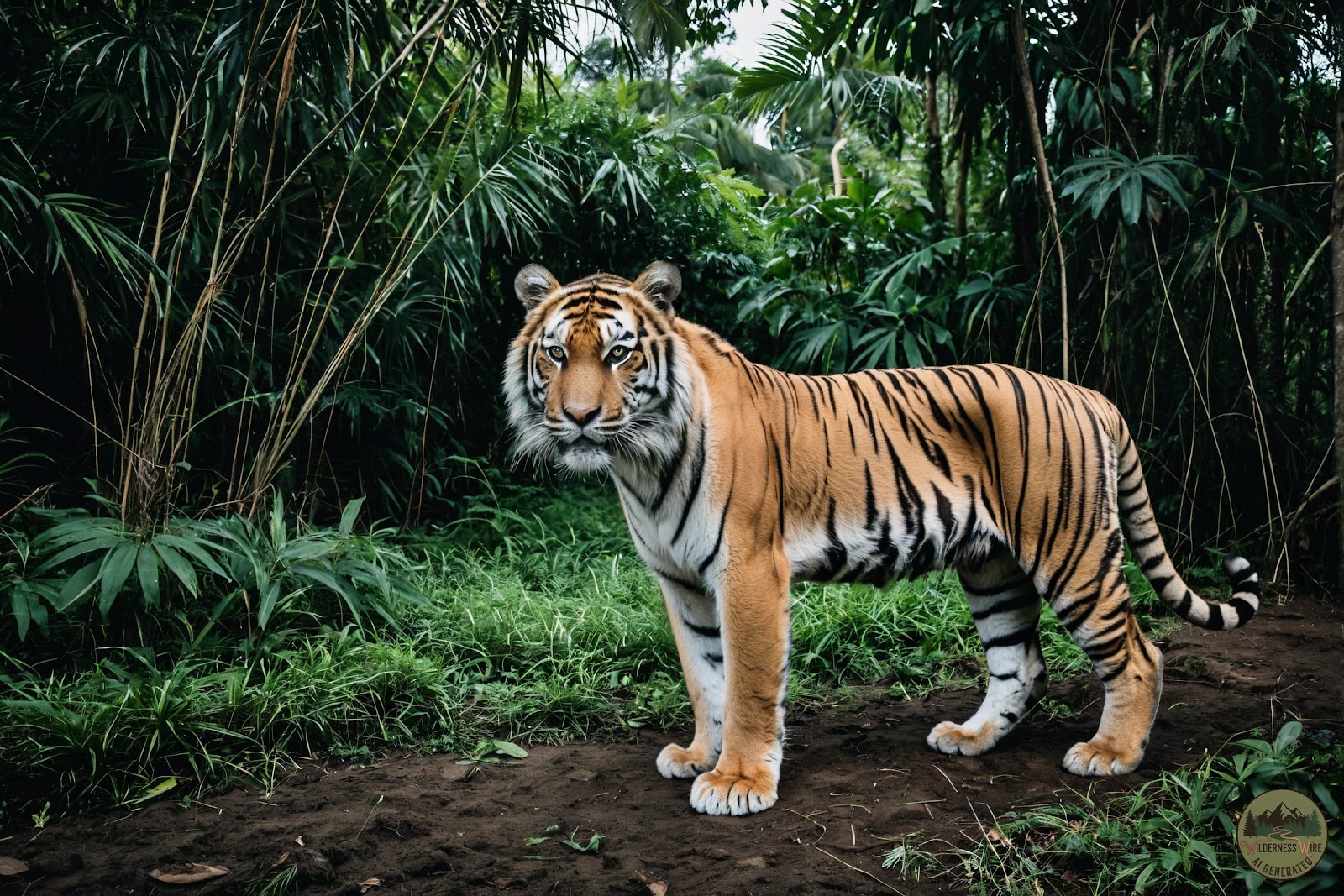
The Majestic Tiger: Exploring the Biology, Hunting Mastery, and Global Conservation of Apex Predators

Image
The tiger, scientifically known as Panthera tigris, stands as the largest extant cat species in the world and a quintessential symbol of wild power and grace. Belonging to the genus Panthera, which includes lions, leopards, and jaguars, the tiger represents an evolutionary pinnacle of solitary ambush predators. Its ancestral lineage dates back millions of years, with genetic evidence suggesting that the Panthera lineage diverged from other felids approximately 10.8 million years ago. Today, the tiger is not merely a single entity but a collection of distinct subspecies, each adapted to the specific nuances of their geographic locales—from the frigid coniferous forests of the Russian Far East to the tropical mangrove swamps of the Sundarbans. The most striking physical characteristic of this apex predator is its coat, a masterpiece of disruptive coloration. The dark vertical stripes against a white to reddish-orange background serve a critical purpose in the dappled light of dense fo...

The Biology, Behavior, and Vital Conservation Efforts for the World’s Largest Wild Cat

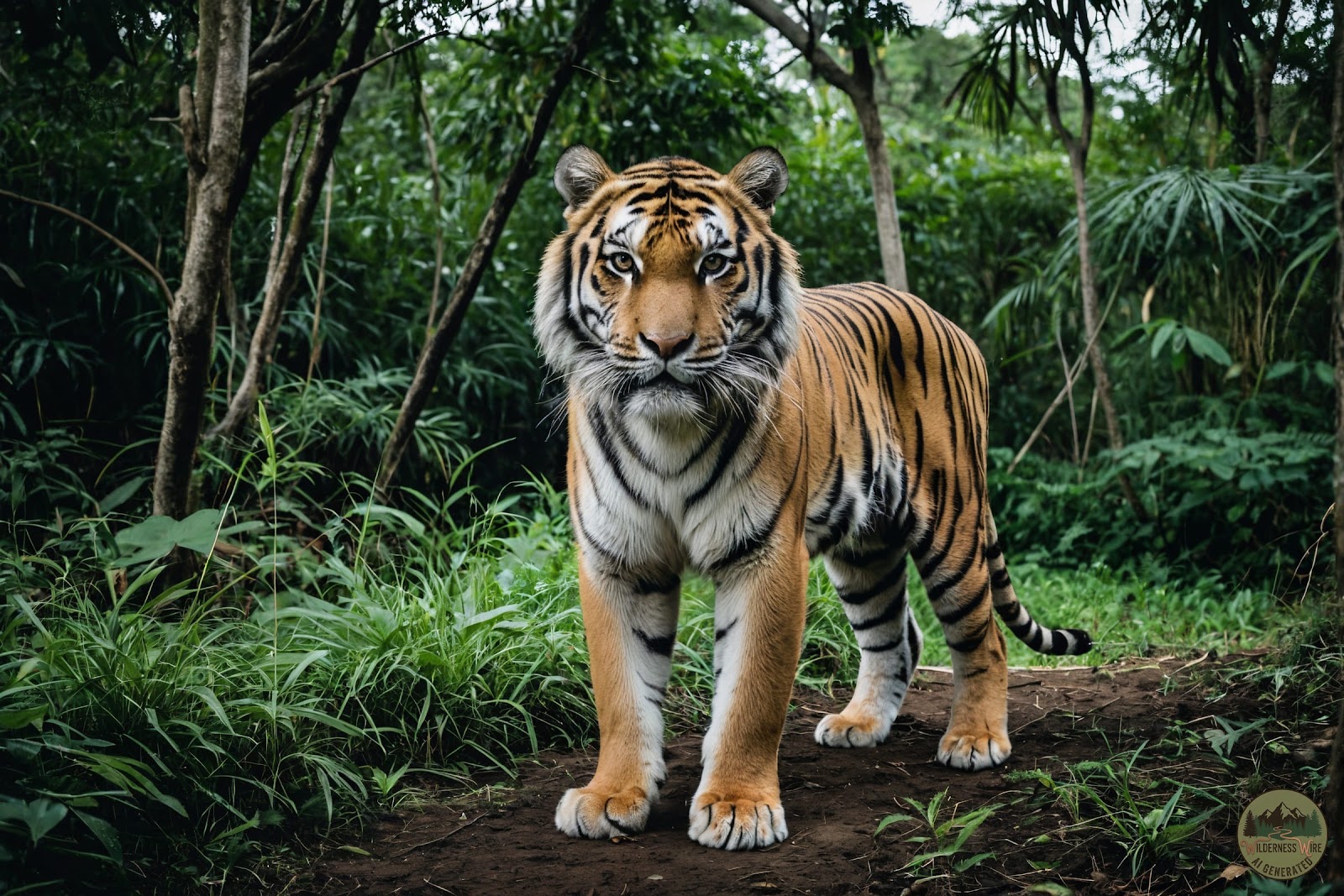
Image
The tiger, scientifically known as Panthera tigris, stands as the largest extant cat species in the world and a member of the genus Panthera. Recognizable by its dark vertical stripes on orange-brown fur with a lighter underside, it is an apex predator, primarily preying on ungulates such as deer and wild boar. This majestic creature is not merely a symbol of strength and ferocity in human culture but is a cornerstone of the ecosystems it inhabits. Its presence or absence serves as a vital indicator of the health of the environment, making the study of its biology and behavior essential for global conservation efforts. Physiologically, the tiger is a marvel of evolutionary engineering. Their bodies are built for power rather than sustained speed. A tiger's hind legs are longer than its front legs, a trait that allows them to leap distances of up to 10 meters in a single bound. This skeletal structure is complemented by a dense muscular frame that can weigh up to 300 kilograms i...

The Evolutionary Mastery and Conservation Status of the Tiger: Nature’s Ultimate Apex Predator

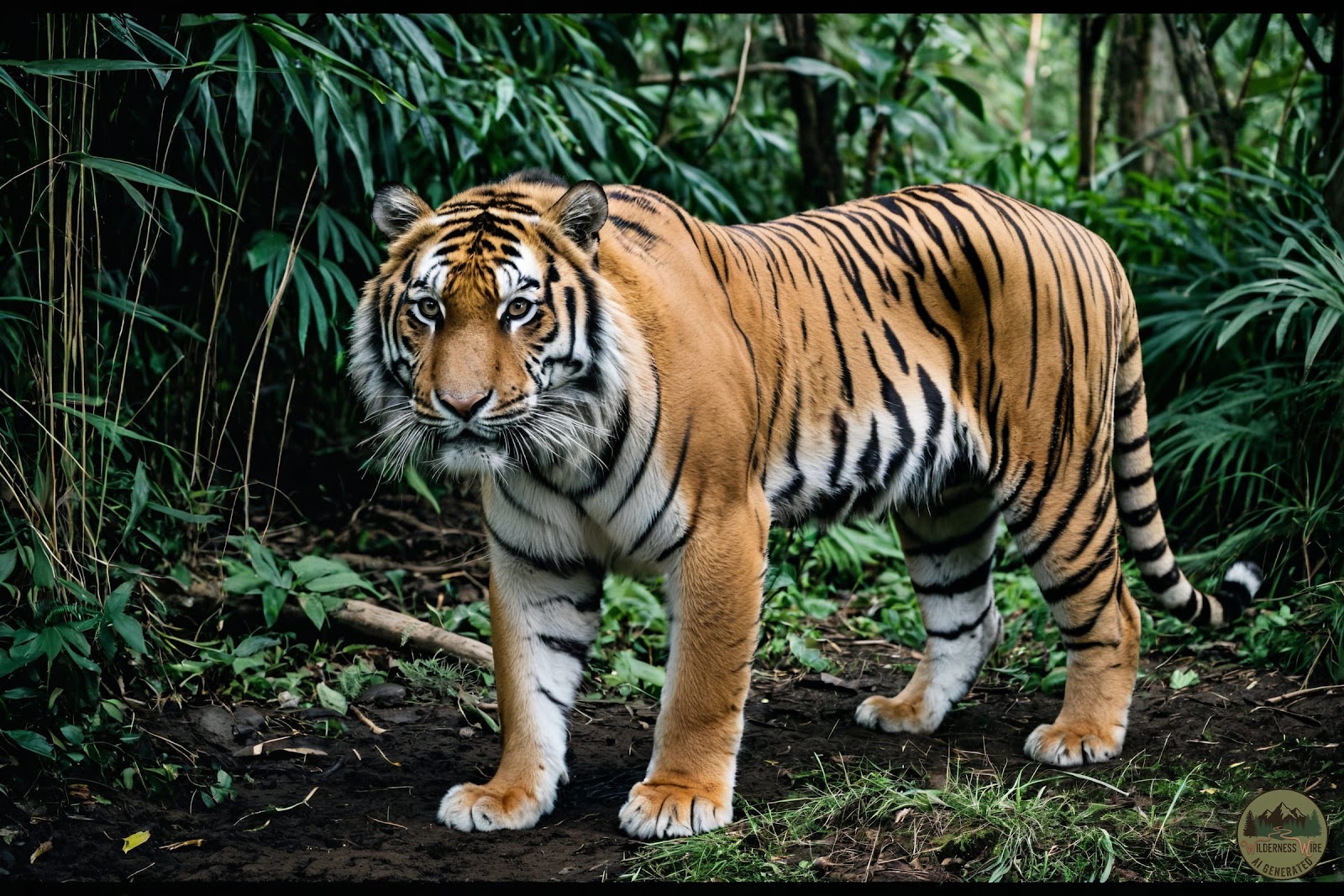
Image
Tiger_00004_ The tiger (Panthera tigris) stands as one of the most recognizable and formidable apex predators on the planet. As the largest member of the Felidae family, it represents a pinnacle of evolutionary specialization, fine-tuned over millions of years to dominate diverse landscapes ranging from the frozen taiga of the Russian Far East to the humid mangrove swamps of the Sundarbans. Unlike many other large felids that hunt in prides, the tiger is a master of solitary persistence, relying on a combination of immense physical power, stealth, and a highly developed sensory suite to maintain its position at the top of the food chain. The evolutionary history of the tiger is a testament to the resilience and adaptability of the Panthera lineage. Genetic evidence suggests that the common ancestor of modern big cats diverged approximately 6 to 10 million years ago, with the tiger lineage becoming distinct in East Asia. From this ancestral hub, tigers migrated across the continent, ...

Understanding the Biology Ecology and Conservation of the Tiger as an Iconic Apex Predator

Image
The tiger (Panthera tigris) remains one of the most formidable and enigmatic apex predators on the planet. As the largest member of the Felidae family, it represents a peak of evolutionary design, combining raw power with an intricate system of stealth and sensory acuity. Unlike many other large carnivores that rely on group dynamics for survival, the tiger is a solitary specialist, navigating a variety of landscapes ranging from the frozen taiga of the Russian Far East to the humid mangrove swamps of the Sundarbans. This independence requires a sophisticated biological toolkit, allowing the animal to maintain a massive caloric intake while managing territories that can span hundreds of square kilometers. Physiologically, the tiger is built for the "stalk and spring" method of hunting. Its muscular skeletal structure is optimized for short bursts of extreme speed and the physical leverage necessary to take down prey significantly larger than itself, such as water buffalo,...

 This website utilizes artificial intelligence (AI) systems to generate, draft, and edit content. All text, images, and media on this site should be considered AI-generated or AI-assisted unless explicitly stated otherwise.