Posts

Showing posts with the label Tasmanian Devil

Tasmanian Devils Forge Critical Scavenging Networks Across Rugged Coastal Scrublands

Image
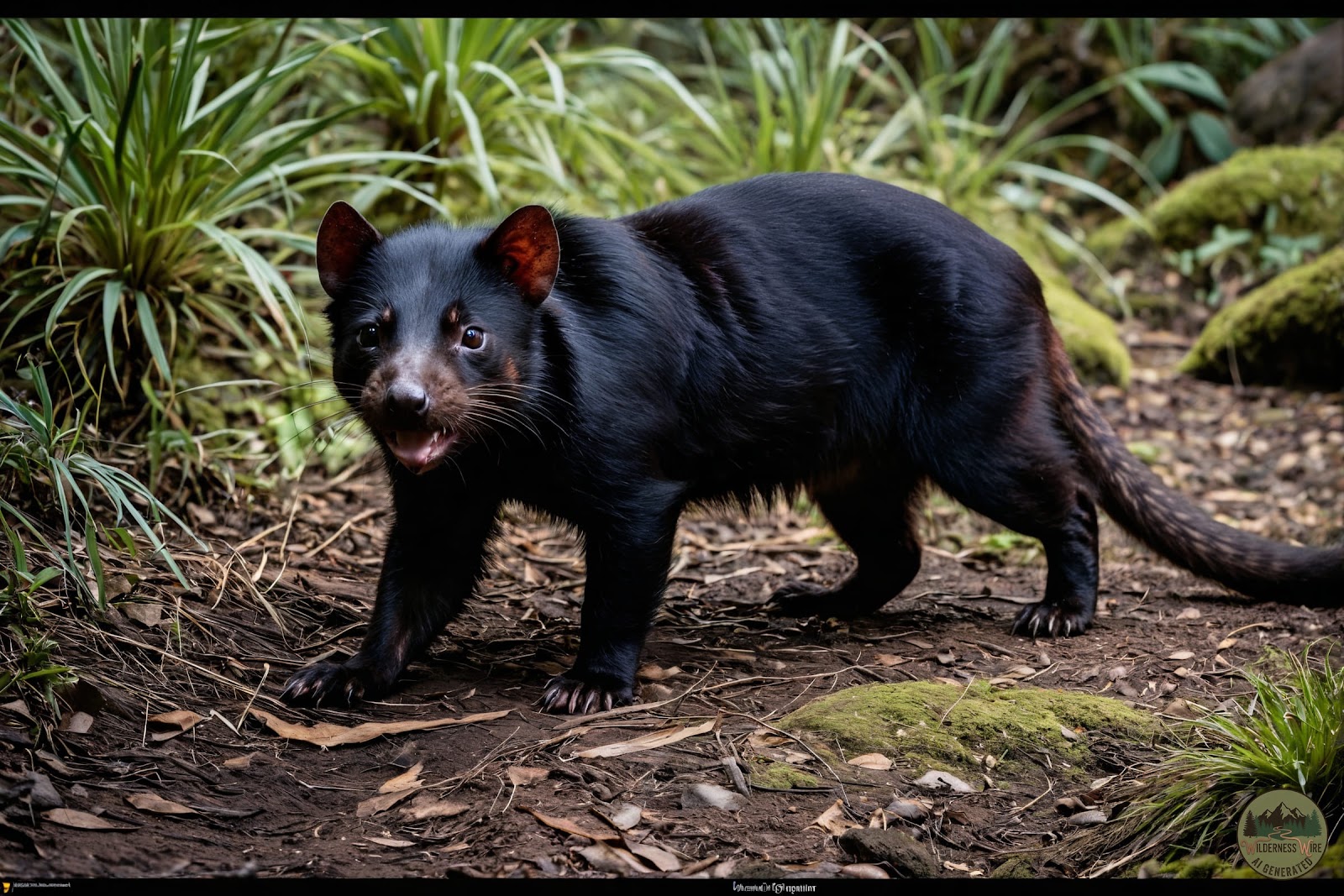
In the rugged, windswept wilderness of Tasmania, a solitary and often misunderstood marsupial maintains a silent vigil over the forest floor. The Tasmanian Devil (Sarcophilus harrisii) serves as the island’s primary terrestrial scavenger, playing an indispensable role in maintaining ecosystem health. Recent ecological monitoring has revealed that these carnivores act as biological vacuum cleaners, their complex foraging behaviors preventing the buildup of carrion and curbing the spread of pathogens throughout the dense Eucalyptus understory. The Essential Role of a Specialized Scavenger The biology of the Tasmanian Devil is a study in raw efficiency. With a jaw pressure disproportionately powerful for its size, the animal is capable of consuming an entire carcass, including bones, fur, and teeth. This rapid nutrient recycling ensures that pathogens do not linger in the environment. Observation studies conducted throughout the past year suggest that these animals have developed sophis...

The Bone-Crushing Jaw Mechanics of the Tasmanian Devil

Image
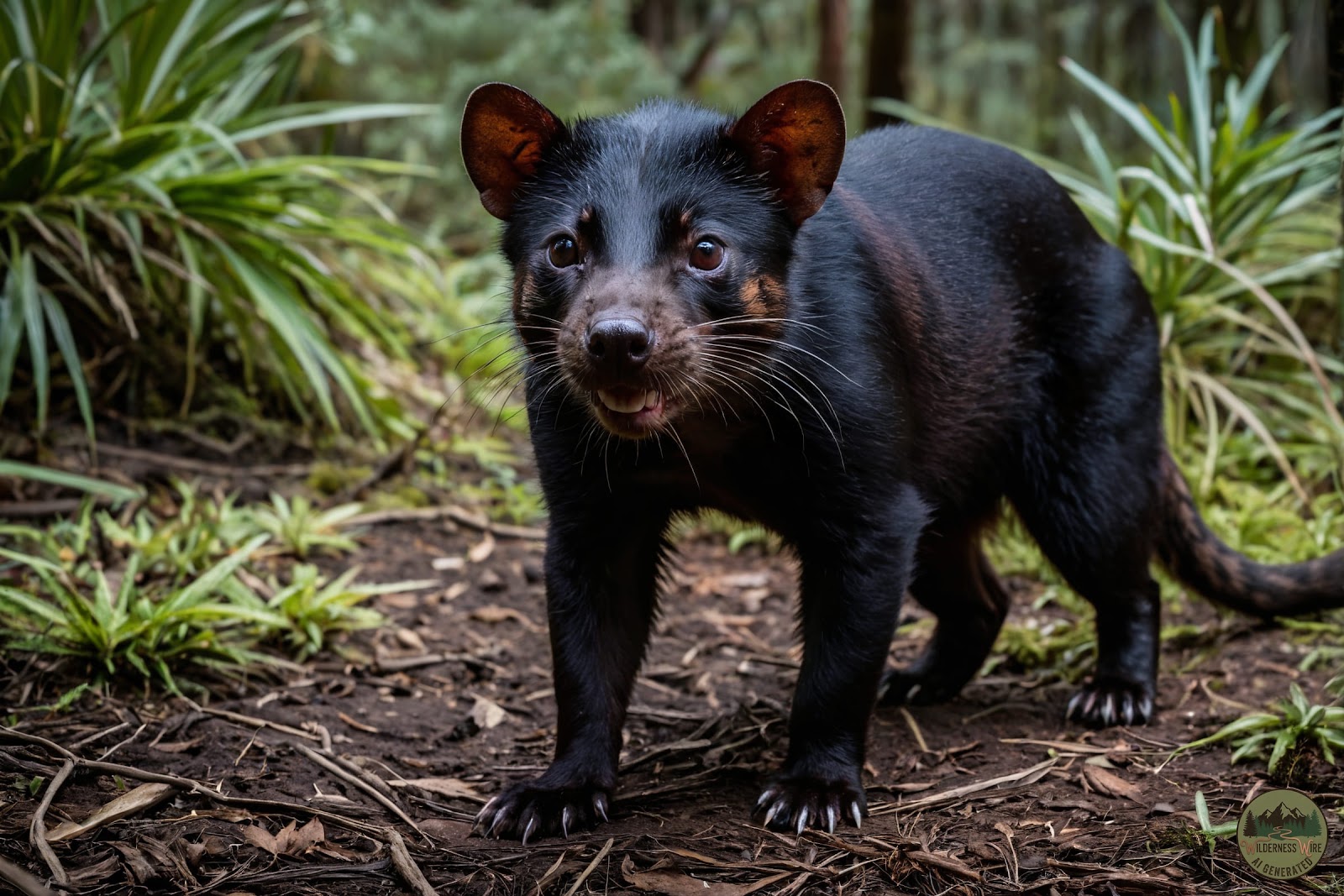
As twilight deepens over the dense sclerophyll forests of Tasmania, a rasping, screeching chorus rises from the dark undergrowth. This acoustic signature, once terrifying to early European settlers, belongs to the world’s largest surviving carnivorous marsupial: the Tasmanian devil ( Sarcophilus harrisii ). Far from being a mindless engine of destruction, this highly specialized mammal plays a vital role in its ecosystem as a master scavenger. Operating as nature's primary cleanup crew, the devil possesses a suite of evolutionary adaptations designed to locate, process, and completely recycle animal carrion. Through its highly developed sensory systems and unparalleled jaw mechanics, the Tasmanian devil ensures that energy locked within organic waste is rapidly reintegrated into the food web. Its ecological contributions are profound, preventing the spread of deadly pathogens and regulating competitor populations. To understand the Tasmanian devil is to appreciate the co...

The Resilient Tasmanian Devil: Navigating Disease and Ecological Challenges to Protect a Unique Species

Image
The rugged wilderness of the Australian island state of Tasmania serves as the final stronghold for one of the world’s most misunderstood and biologically fascinating creatures. As the largest surviving carnivorous marsupial, the Tasmanian devil (Sarcophilus harrisii) occupies a unique ecological niche that has fascinated naturalists for centuries. Once found across the Australian mainland, these resilient marsupials were restricted to Tasmania roughly 3,000 years ago, likely due to the introduction of the dingo and changing climatic conditions. Today, they represent a critical link in the island's biodiversity, serving as both a primary scavenger and a symbolic figure of wildlife conservation. Physically, the Tasmanian devil is a marvel of evolutionary engineering, built for power rather than speed. Characterized by a squat, muscular build and black fur often punctuated by white patches on the chest and rump, the devil possesses an anatomical feature that distinguishes it from...

The Remarkable Biology and Conservation Journey of the Iconic Tasmanian Devil

Image
The Tasmanian devil (Sarcophilus harrisii) stands as a biological marvel and a symbol of rugged survival. As the world's largest surviving carnivorous marsupial, it occupies a unique niche in the Australian ecosystem, specifically within the island state of Tasmania. Often misunderstood due to early colonial descriptions and modern popular culture, the devil is far more than a frenzied scavenger; it is a sophisticated predator and a vital component of the ecological health of its habitat. To understand this creature is to look into the complexities of marsupial evolution, the fragility of isolated populations, and the remarkable efforts of modern conservation science. Taxonomically, the Tasmanian devil belongs to the family Dasyuridae, a group of carnivorous marsupials that includes quolls and the extinct thylacine. Its scientific name, Sarcophilus harrisii, translates roughly to "Harris's flesh-lover," named after George Harris, the naturalist who first described...

 This website utilizes artificial intelligence (AI) systems to generate, draft, and edit content. All text, images, and media on this site should be considered AI-generated or AI-assisted unless explicitly stated otherwise.