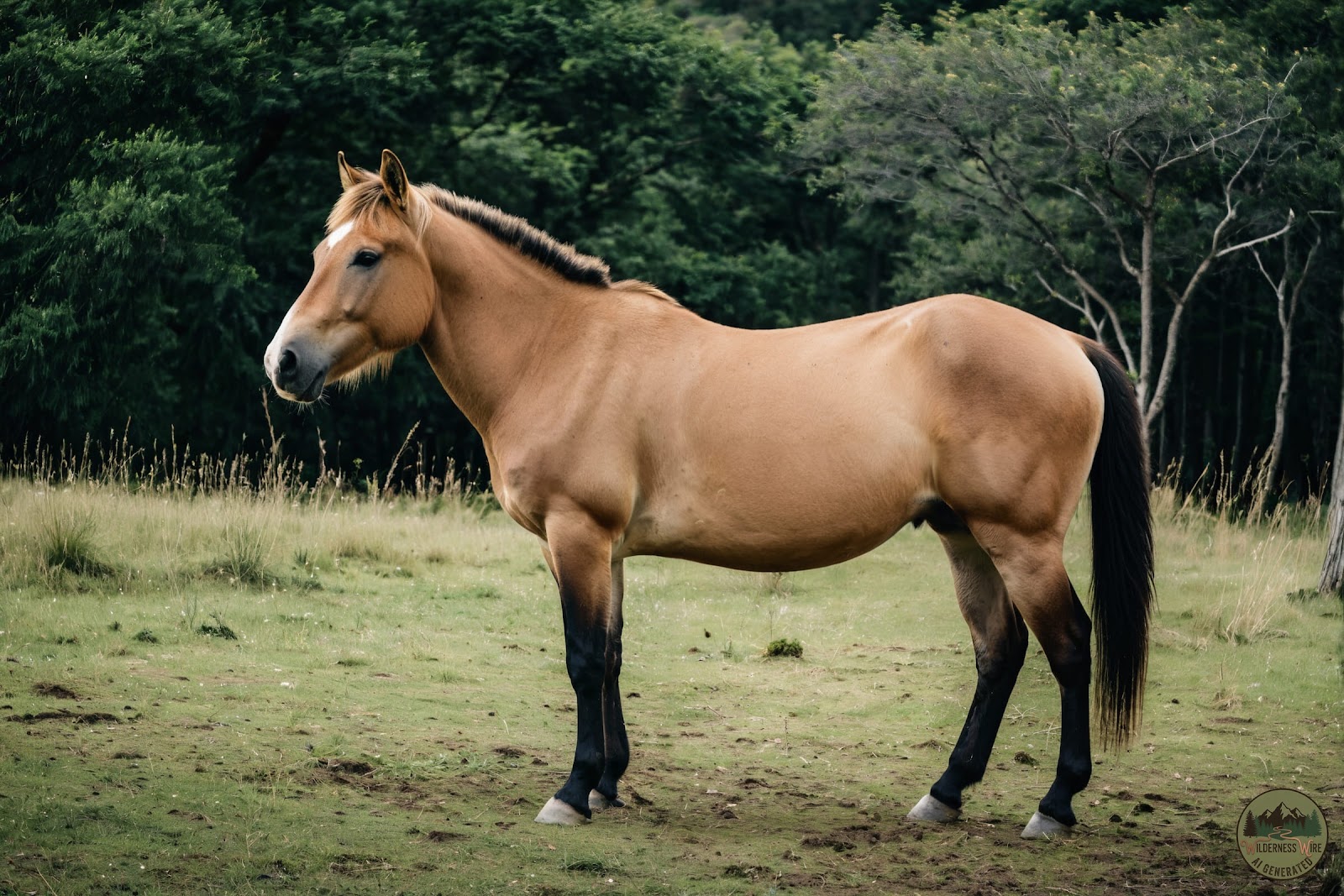
Nomadic Herds Traverse The Expansive Mongolian Steppe Grasslands
Across the vast, undulating horizons of the Central Asian Steppe, one species defines the rhythm of the landscape more than any other. The Mongolian Gazelle (Procapra gutturosa) stands as a testament to evolutionary endurance in one of the world’s most challenging terrestrial biomes. Unlike static populations that defend rigid territories, these ungulates are the ultimate nomads, perpetually in motion to track the ephemeral pulses of green growth across thousands of miles of arid terrain.
The Mechanics of Constant Migration
The life cycle of the Mongolian Gazelle is dictated by the extreme climatic swings of the interior continent. From sweltering summers where temperatures push towards 40 degrees Celsius to winters that plunge into deep-freeze states, these animals remain in a constant state of flux. Recent field observations reveal that their movement patterns are not merely chaotic wandering but a sophisticated response to micro-climatic shifts. By shifting their ranges in response to subtle changes in biomass availability, they maintain a high resilience against the unpredictability of the regional weather.
Their biology is perfectly tuned for this lifestyle. With slender, muscular limbs designed for high-speed endurance, they cover vast distances to avoid snow-covered foraging grounds. Their digestive systems have adapted to process tough, fibrous steppe grasses that would provide little nutritional value to less specialized ruminants. This metabolic efficiency allows them to sustain energy levels even when forage density is remarkably low.
Navigating the Arid Frontier
Conservationists have long debated the impact of linear infrastructure, such as border fencing, on the natural migratory corridors of the species. Because they rely on roaming over massive ranges, even small obstructions can lead to significant population fragmentation. Studies conducted over the past eighteen months highlight that while the species shows a remarkable capacity to recover from localized droughts, their dependence on large, unfragmented habitats remains the primary bottleneck for long-term population stability.
During the peak of the calving season, the social structure of the gazelle undergoes a dramatic shift. Females isolate themselves in specific, nutrient-rich basin areas, choosing sites that provide both visual vantage points against potential predators and access to emerging spring shoots. This period of synchronized birthing is a critical biological strategy to overwhelm local predators with a sudden influx of offspring, thereby increasing the survival probability of the herd’s next generation.
The Future of the Steppe Nomads
Looking ahead, technological advancements in satellite tracking are providing researchers with unprecedented insights into how these gazelles interact with their environment. We are finally beginning to map the 'hidden' highways of the steppe—the specific, repetitive routes that these herds utilize over decades. Understanding these paths is essential for developing effective land-management strategies that balance human pastoral needs with the biological requirements of the continent's most iconic wild ungulate.

Ultimately, the Mongolian Gazelle remains a symbol of the untamed spirit of Central Asia. As climate patterns continue to fluctuate, the flexibility of their behavior will be their most critical asset. Protecting these vast, open spaces is not merely a task of preservation, but an imperative to keep the heartbeat of the steppe alive for centuries to come.