The Golden Hunter Stalks Frozen Siberian Tundra River Banks
In the unforgiving expanse of the Siberian Tundra, where permafrost dictates the limits of life, the Siberian weasel (Mustela sibirica) operates as an apex hunter of the micro-ecosystem. Often overshadowed by larger carnivores, this member of the Mustelidae family exhibits a ferocity and adaptability that belies its diminutive stature. As winter shadows lengthen across the taiga-tundra transition zone, these resilient predators become the silent arbiters of survival for small mammals and ground-nesting birds alike.
The Anatomy of a Cold-Climate Specialist
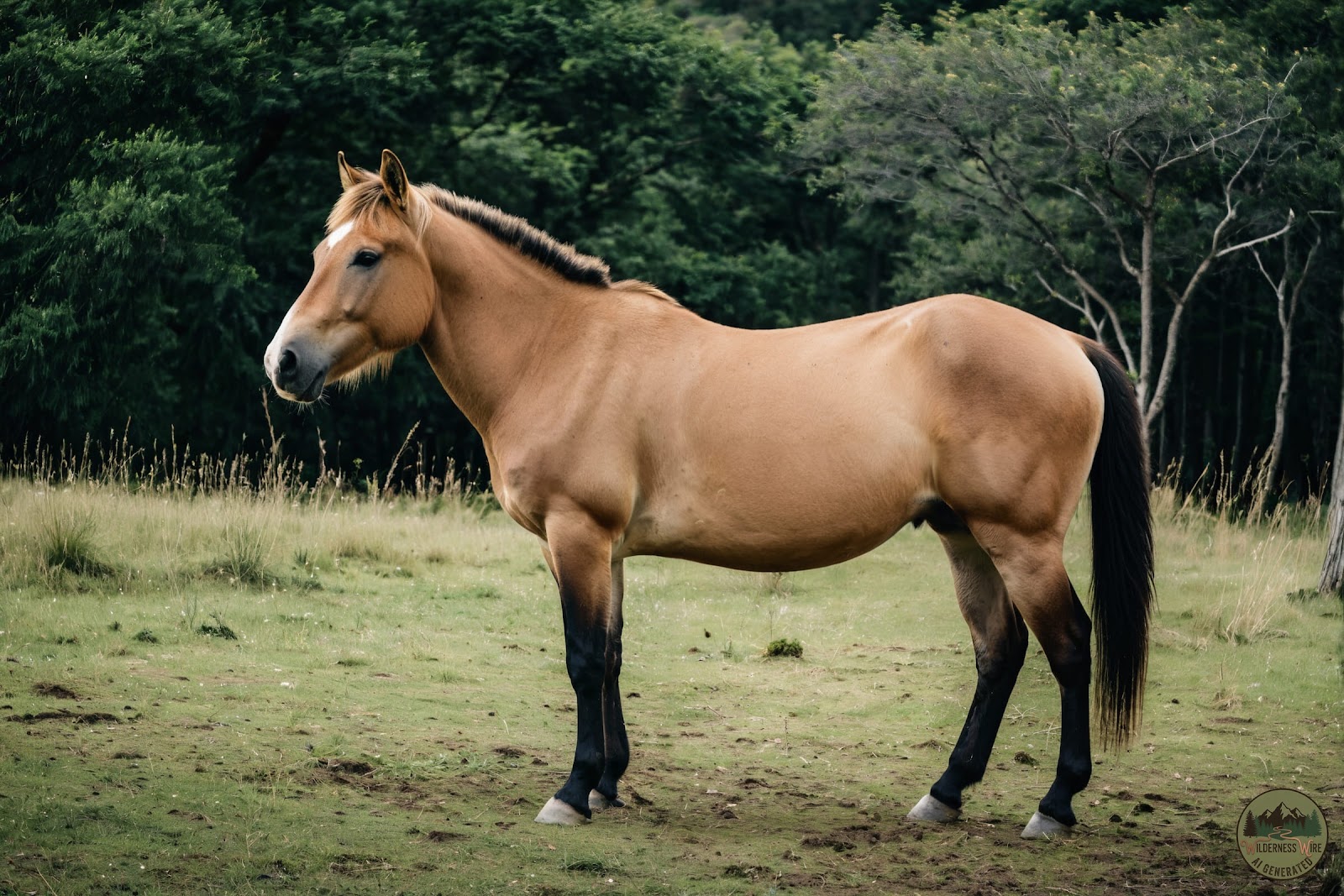
The Siberian weasel is a master of thermal efficiency and kinetic energy. Its slender, elongated torso is covered in a dense, uniform coat of deep orange-brown fur that turns noticeably paler during the peak of winter. Unlike its distant relatives, the Siberian weasel possesses a distinct dark facial mask that frames its inquisitive, obsidian eyes. This unique physiology, characterized by a high surface-area-to-volume ratio, allows it to weave through narrow crevices and subterranean burrows with liquid-like grace, effectively closing the gap on prey that believes itself safe within frozen tunnels.
Behavioral Mastery in Subzero Conditions
Recent behavioral observations indicate that the Siberian weasel utilizes a sophisticated strategy of energetic conservation. While other predators succumb to the metabolic demands of the migration seasons, the weasel remains strictly territorial, patrolling frozen riparian corridors. Researchers have noted that these predators exploit the boundary layers of river ice, where snow accumulation provides insulation for small rodents. By monitoring these sub-nivean environments, the weasel secures a consistent caloric intake when temperature spikes could otherwise cause widespread den abandonment among its prey base.

The Apex Predator of the Undergrowth
Though they weigh little more than a kilogram, their impact on local population densities is profound. Their diet is highly opportunistic, shifting from lemmings and voles during the summer months to scavenging and hunting ptarmigans when the snow pack solidifies. This dietary flexibility is the cornerstone of their success in the Siberian wilderness. By acting as a stabilizing force in the tundra food web, they prevent the over-colonization of certain rodent species that could otherwise strip the fragile lichen and moss layers during the short, explosive growing season of the arctic north.

Climate Resilience and Future Prospects
As the Siberian climate experiences unprecedented shifts, the range of the Siberian weasel is being carefully monitored. While many arctic species face habitat fragmentation, the weasel’s adaptability—a trait shared with the most successful generalists—provides a buffer against changing environmental conditions. Future studies are expected to delve into their social structures, which appear more complex than previously assumed. By understanding the territorial markers and seasonal movements of this golden-furred nomad, ecologists hope to gain deeper insight into the future of the Siberian predator-prey dynamic as the tundra landscape continues to evolve.