Posts

Showing posts with the label Sable Antelope

The Majestic Sable Antelope: Icon of the African Savanna
Image
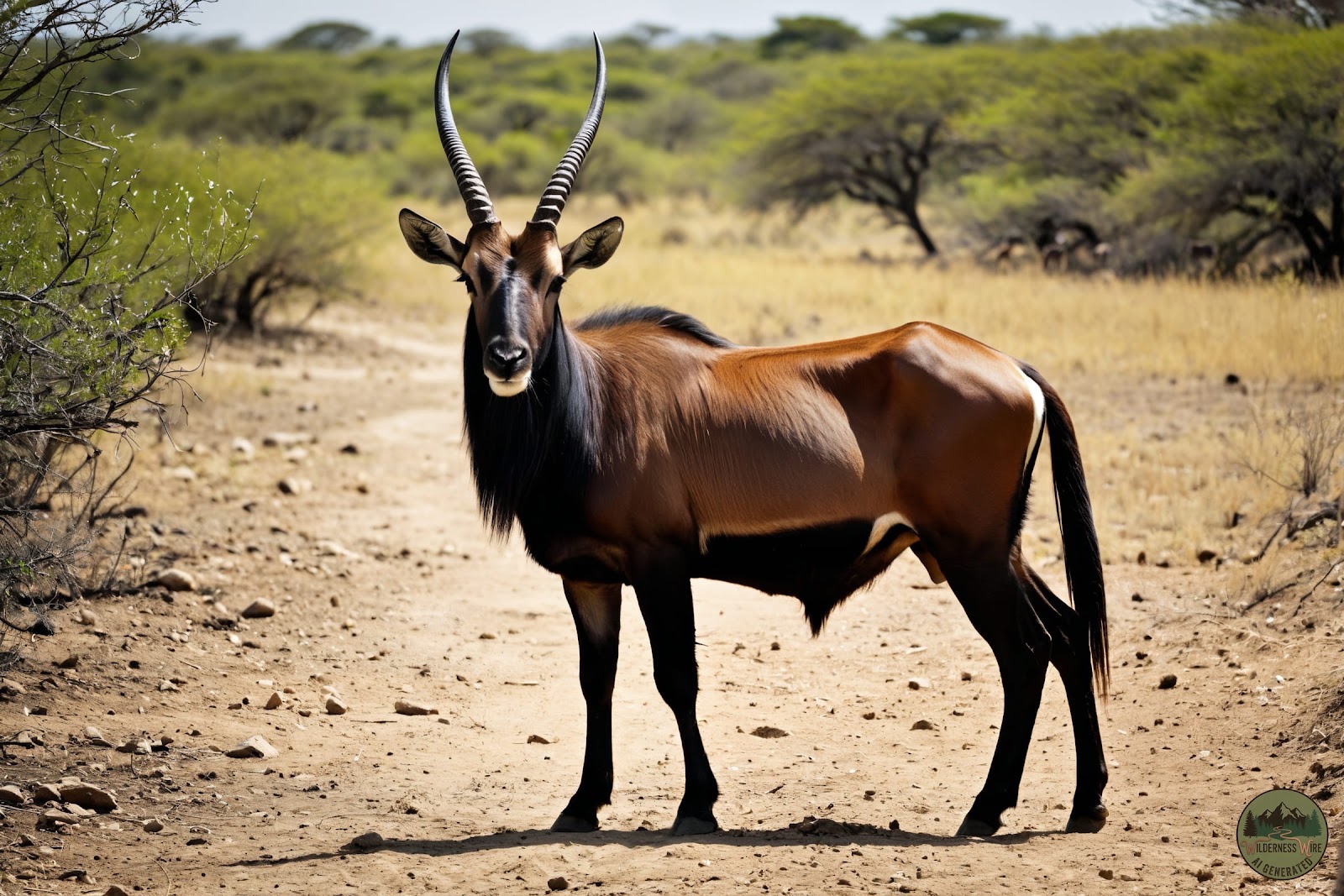
Few creatures embody the raw majesty and elegance of the African savanna quite like the Sable Antelope. Renowned for their striking appearance, especially the males with their glossy black coats, stark white facial markings, and magnificent scimitar-shaped horns, these bovids are among the most visually impressive antelopes found across eastern and southern Africa. Their presence in the landscape is often a breathtaking sight, a testament to the continent's rich biodiversity and the intricate balance of its ecosystems. The physical attributes of the Sable Antelope ( *Hippotragus niger*) are what first captivate observers. Adult males, or bulls, develop a deep, lustrous black coat, contrasting sharply with their pure white bellies, inner thighs, and the distinctive white mask on their faces, which is typically bisected by a dark stripe running from the forehead down to the nose. Females and juveniles, in contrast, exhibit a chestnut to reddish-brown coloration, which darkens with ...
Africa's Majestic Sable Antelope: Elegance, Power, and Conservation

Image
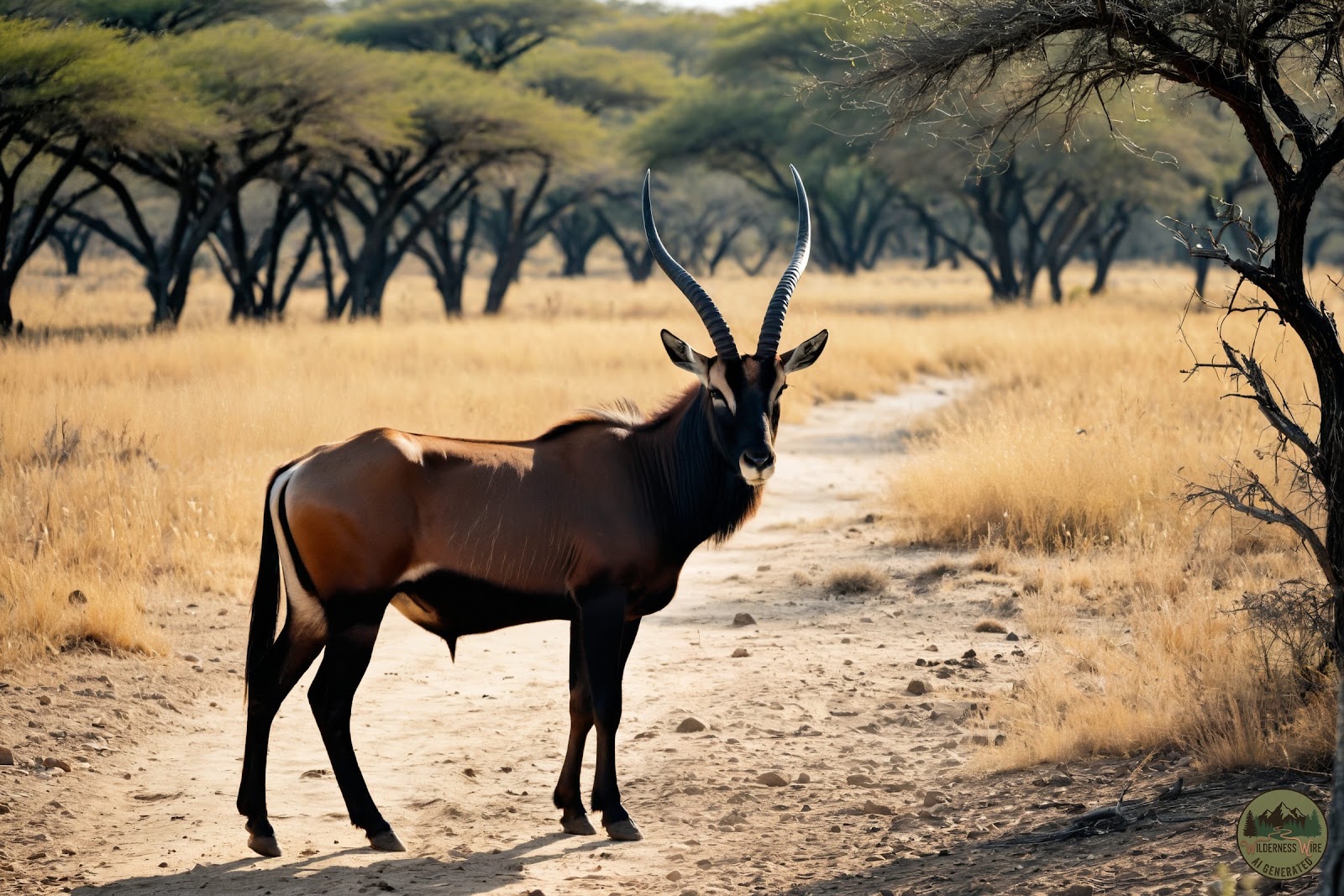
Amidst the sweeping savannas and dense woodlands of sub-Saharan Africa roams a creature of remarkable elegance and power: the Sable Antelope. Renowned for its magnificent, scimitar-shaped horns and striking coloration, this majestic bovine stands as one of Africa's most iconic and visually arresting antelopes. Its regal posture and watchful demeanor command respect, embodying the wild beauty of its native landscapes. Observing a Sable Antelope in its natural habitat is to witness a living testament to evolutionary artistry, where form and function merge into a creature perfectly adapted to its environment. The Sable Antelope ( *Hippotragus niger*) is immediately recognizable by its impressive, ringed horns which arc backward in a graceful curve, sometimes reaching lengths of up to 1.6 meters (over 5 feet) in males. These formidable appendages are present in both sexes, though those of the males are considerably longer and more robust, spiraling out dramatically from the head. Bey...

 This website utilizes artificial intelligence (AI) systems to generate, draft, and edit content. All text, images, and media on this site should be considered AI-generated or AI-assisted unless explicitly stated otherwise.