Posts

Showing posts with the label Przewalski's Horse

Przewalski's Horse: A Wild Journey from Extinction to Resurgence
Image
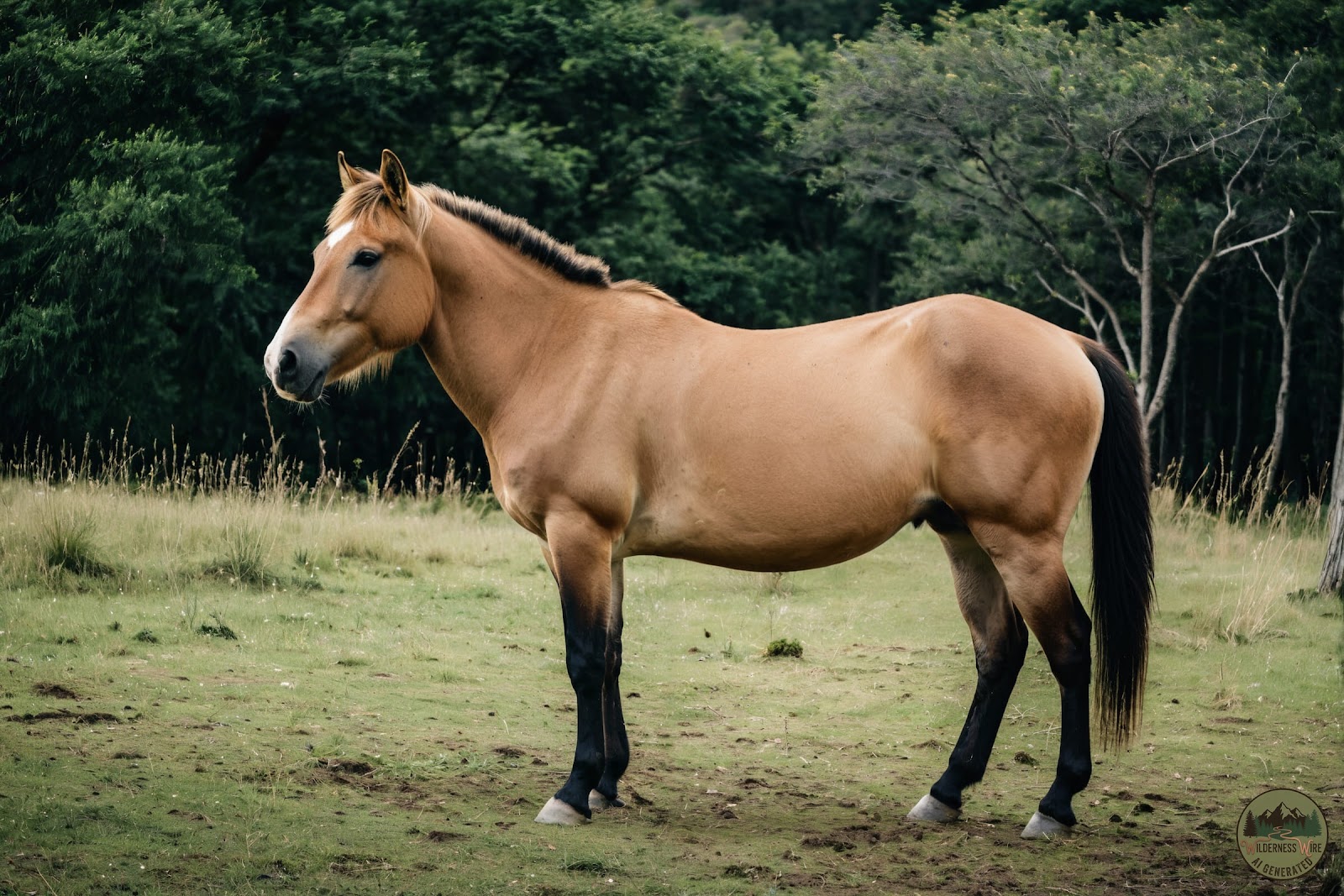
The animal depicted here represents one of the most remarkable conservation success stories of our time. Known as the last truly wild horse species, its journey from the brink of extinction to a cautious resurgence in its native habitats is a powerful testament to dedicated global efforts. This stocky, hardy equid once roamed the vast steppes of Central Asia, a symbol of untamed wilderness. A Journey Through Time The history of this horse is intricately linked to human expansion and exploration. European scientists first formally described it in the late 19th century, named after the Russian explorer Nikolai Przewalski, who encountered herds in what is now Mongolia. Unlike domesticated horses, which have been selectively bred by humans for millennia, these horses are considered the genuine descendants of ancient wild horse populations, never having been successfully domesticated. Their genetic makeup stands distinct, marking them as a unique evolutionary lineage. From the Brink of...
The Last Wild Horse: Przewalski's Journey Back to the Steppes

Image
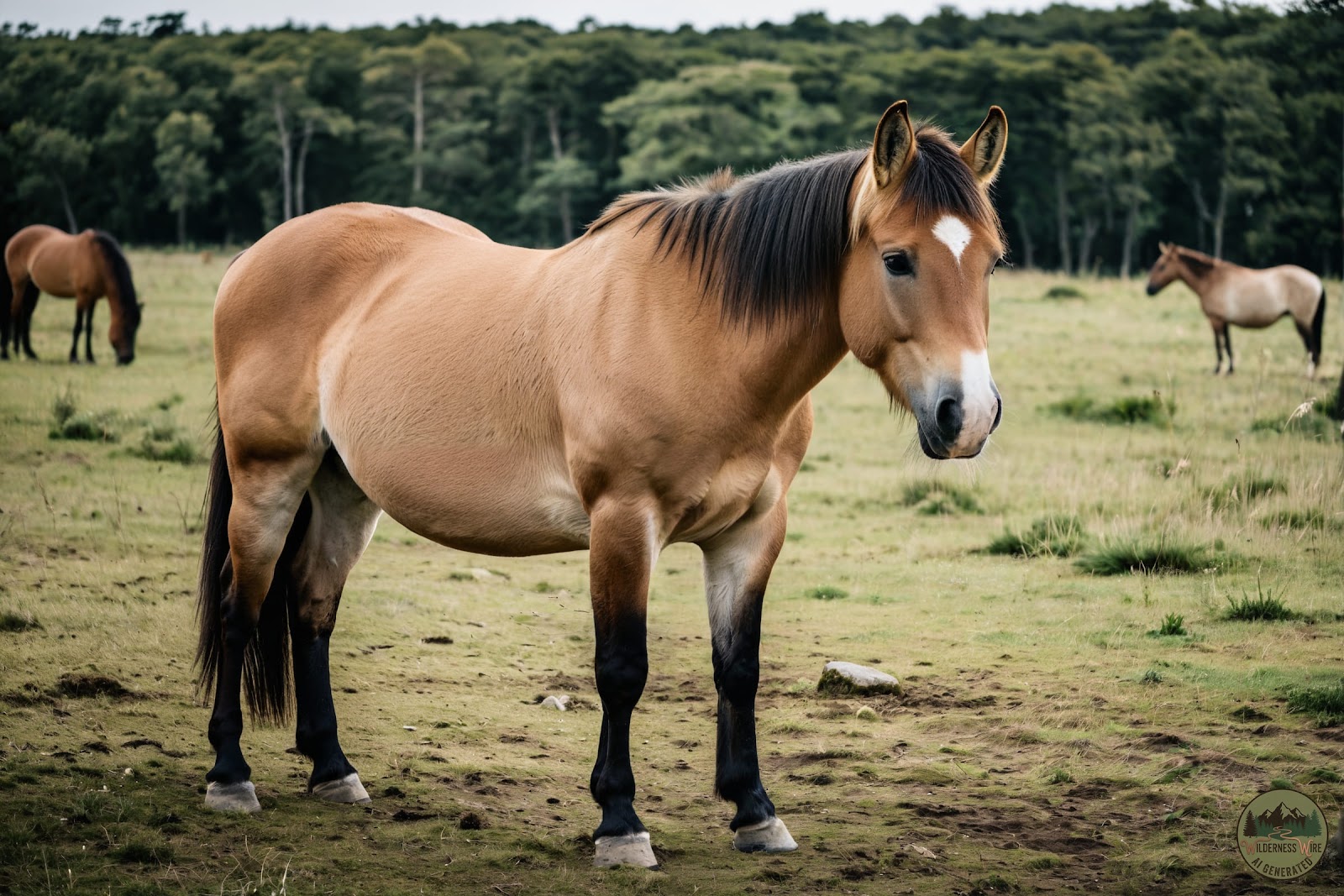
Deep in the heart of the Eurasian steppes roams a creature of immense historical and biological significance: the last truly wild horse. For centuries, horses have been intertwined with human civilization, yet almost all today are domesticated. This magnificent animal stands as a living testament to an untamed past, a species that narrowly escaped oblivion and now serves as a beacon of hope for conservation. Its story is one of dramatic decline, meticulous scientific intervention, and inspiring resurgence, echoing the resilience of nature itself. A Glimpse into the Past: Physical Attributes Distinguished from their domesticated cousins, these horses possess a unique set of physical characteristics that reflect their ancient lineage and adaptation to harsh environments. They are typically stockier and more robustly built than domestic horses, with a proportionally larger head and a shorter neck. Their most striking feature is their distinctive coat color, a dun or "bay dun" ...

 This website utilizes artificial intelligence (AI) systems to generate, draft, and edit content. All text, images, and media on this site should be considered AI-generated or AI-assisted unless explicitly stated otherwise.