Posts

Showing posts with the label Reedbuck

Reedbucks: Graceful African Antelopes of Diverse Habitats
Image
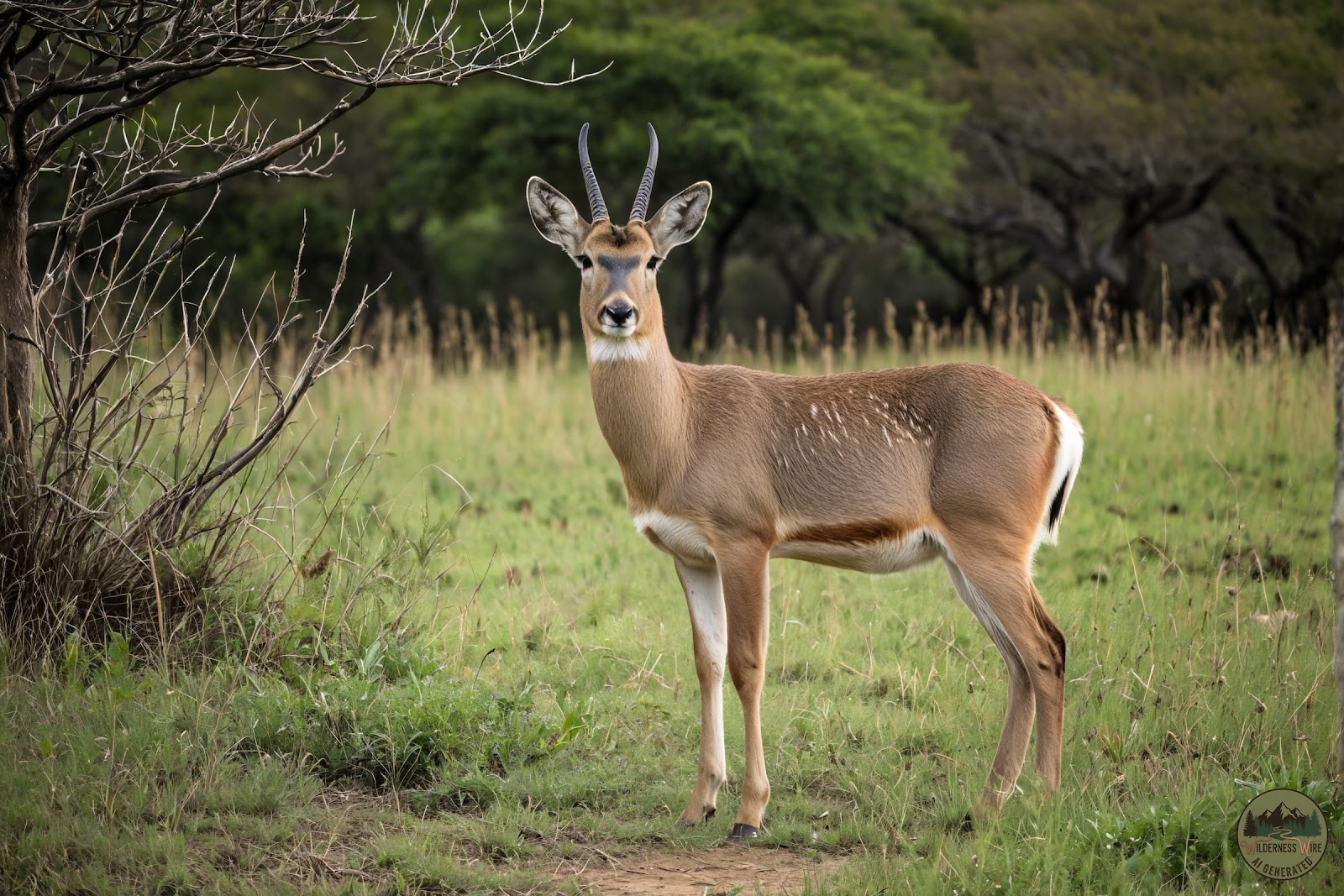
Renowned for their incredible stealth and reliance on heavy ground cover, these elusive herbivores are built for concealment. The genus is split into three distinct species—the Southern Reedbuck , the Bohor Reedbuck , and the Mountain Reedbuck —each perfectly adapted to a unique ecological niche stretching from West African savannas to the high-altitude peaks of Ethiopia. +------------------+---------------------------------------------------------+ | Feature | Reedbuck Profile | +------------------+---------------------------------------------------------+ | Scientific Name | Genus Redunca (Subfamily: Reduncinae) | | Species Trio | Southern (Largest), Bohor (Mid-sized), Mountain (Smallest)| | Diet | Selective grazers (fresh green shoots, reeds, sedges) | | Behavior | Solitary or small family units; highly territorial | | Alarm Signal | High-pitched "whistle-snort" paired w...
Reedbucks: Graceful Antelopes of Africa's Wetlands

Image
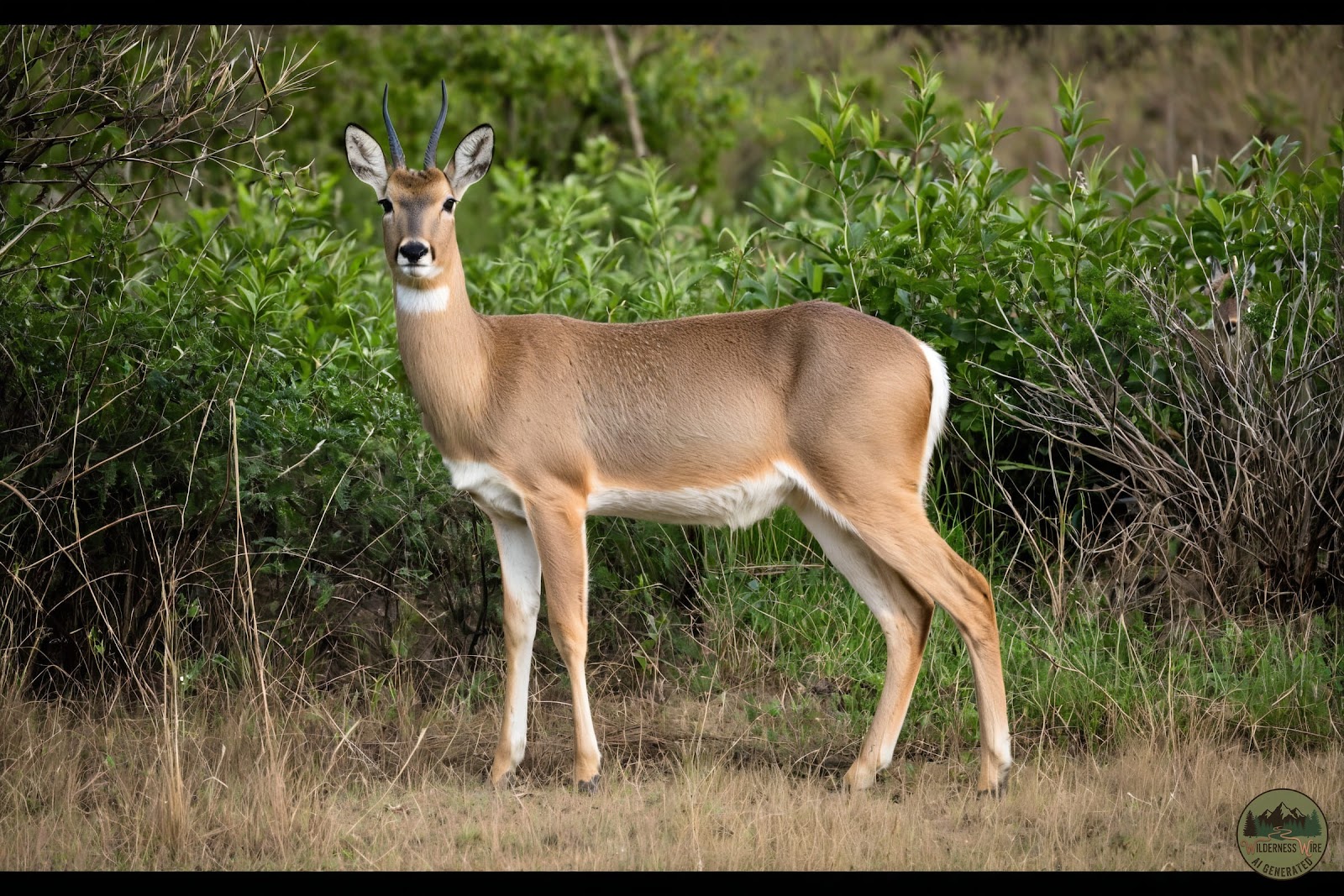
The Southern Reedbuck ( Redunca arundinum ) is the largest of the three species and perfectly embodies the elegance of its lineage. Cloaked in a striking reddish-brown coat, it blends seamlessly into the tall, sun-baked grasses of its home. Key physical indicators include: Bold Highlights: A brilliant white underside extends from its throat all the way to its belly and inner thighs, contrasted sharply by a distinct dark streak running down the front of each foreleg. The Forward Crown: Only the males carry horns, which are heavily ringed and grow up to 35–45 centimeters. They curve gracefully forward from the base before hooking sharply backward at the tips, serving as a primary tool for territorial defense. Females are entirely hornless. Dawn Hunters and the "Rocking Horse" Sprint Reedbucks are strictly crepuscular , concentrating their feeding and moving during the cool hours of dawn and dusk. This schedule keeps them out of the blistering midday heat and offers protectio...

Reedbucks: Emblems of Grace and Adaptation in Africa

Image
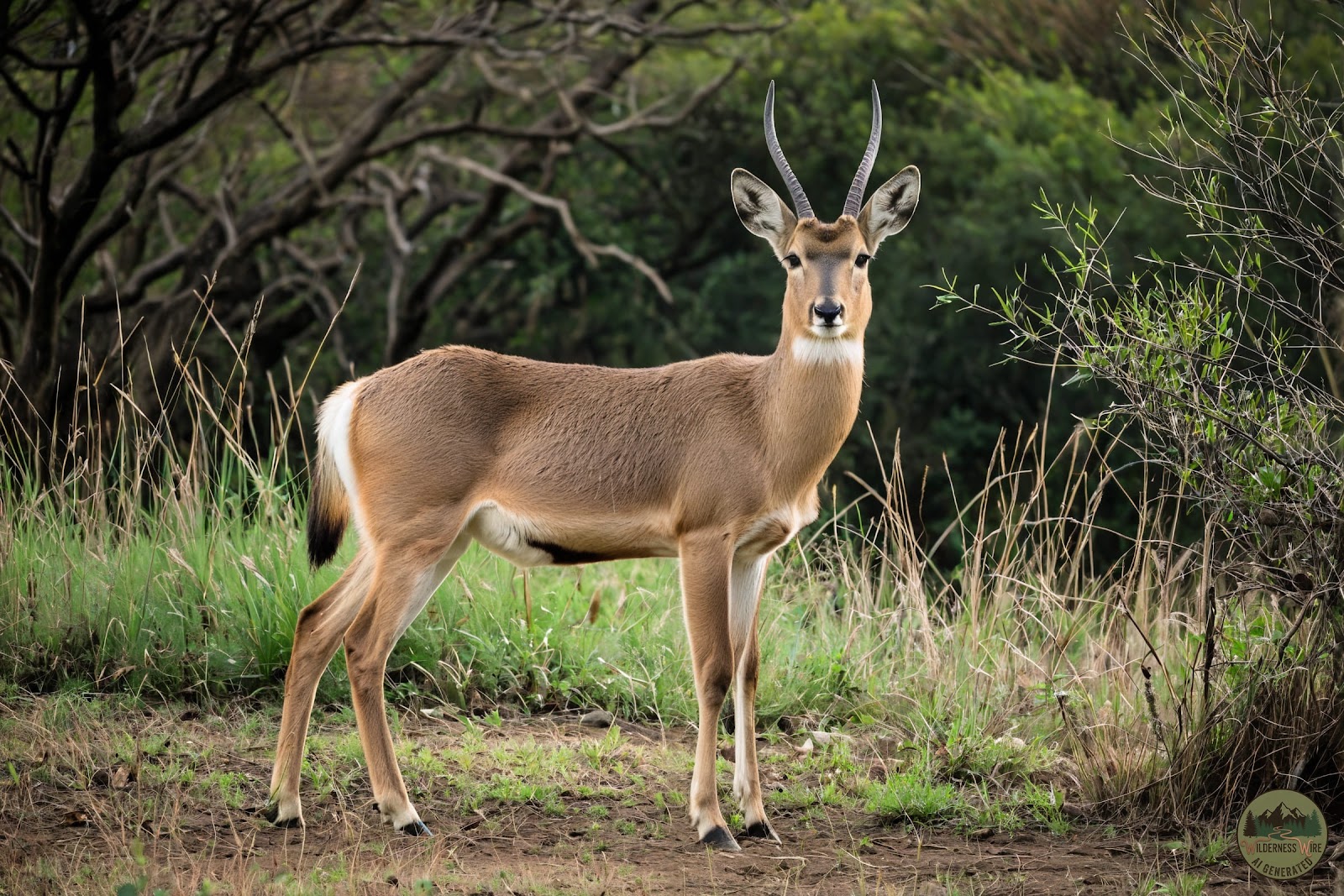
While sharing a core genetic blueprint, the three reedbuck species avoid direct competition by dividing up the African terrain: Common Reedbuck ( Redunca arundinum ): The largest and most robust of the trio, sporting a sandy-brown coat. It thrives in low, wet grasslands and floodplains. Males grow impressive, heavily ridged horns exceeding 40 centimeters. Bohor Reedbuck ( Redunca redunca ): Dominating the savannas of West and Central Africa, this mid-sized cousin features a warm, reddish-brown coat. Its horns curve sharply forward and hook slightly inward. Mountain Reedbuck ( Redunca fulvorufula ): A smaller, delicately built antelope cloaked in dark, grayish-brown fur. It entirely bypasses the lowlands to navigate high-altitude montane grasslands and steep, rocky hillsides. Engineered for Vigilance and Escape Every physical trait of the reedbuck is fine-tuned for survival against a brutal gauntlet of predators, including lions, leopards, cheetahs, hyenas, and African wild dogs. The...

The Reedbuck: Graceful Antelope of African Grasslands and Mountains

Image
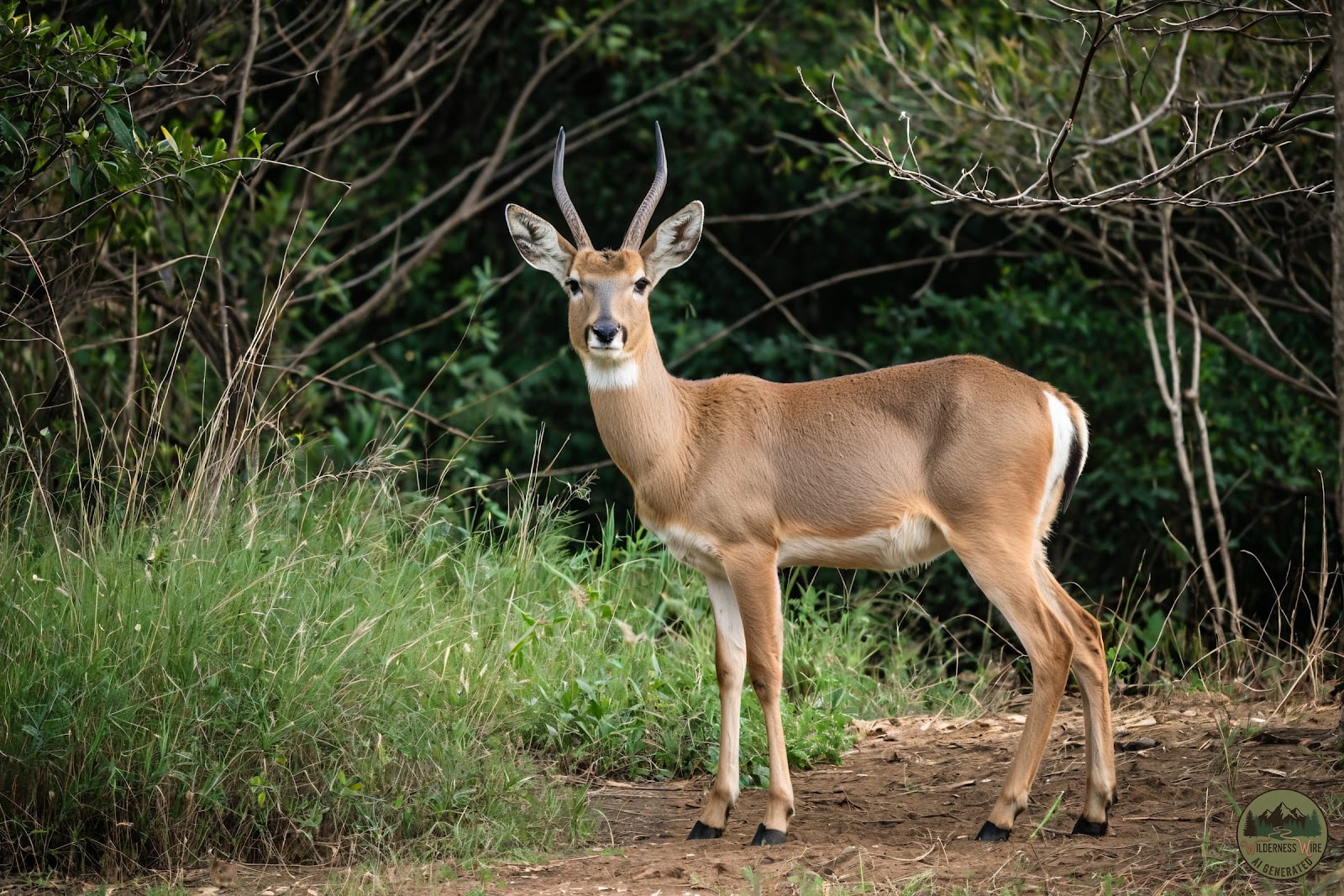
The genus Redunca operates via three highly specialized ecological variants. By segmenting their habitats, they completely avoid competing with one another for resources: Variant A: The Southern/Common Reedbuck ( R. arundinum ) Weight Class: Heavyweight (45–90 kg) Terrain: Lowland permanent wetlands, riverbanks, and dense reed beds. Visual ID: Sandy-brown coat with sharp, dark vertical racing stripes running down the front of the forelegs. Variant B: The Bohor Reedbuck ( R. redunca ) Weight Class: Middleweight (30–60 kg) Terrain: Open, sweeping savannas and seasonal marshes across Central and West Africa. Visual ID: Fine-boned, warm reddish-brown coat with highly pronounced, inward-hooking horn tips. Variant C: The Mountain Reedbuck ( R. fulvorufula ) Weight Class: Lightweight (30–50 kg) Terrain: Broken, rocky scree slopes and alpine grasslands above 1,500 meters. Visual ID: Thick, insulation-grade gray coat tailored for high-altitude thermal drop. BIO-MECHANICAL CAPABILITIES...

 This website utilizes artificial intelligence (AI) systems to generate, draft, and edit content. All text, images, and media on this site should be considered AI-generated or AI-assisted unless explicitly stated otherwise.