Reedbucks: Graceful African Antelopes of Diverse Habitats
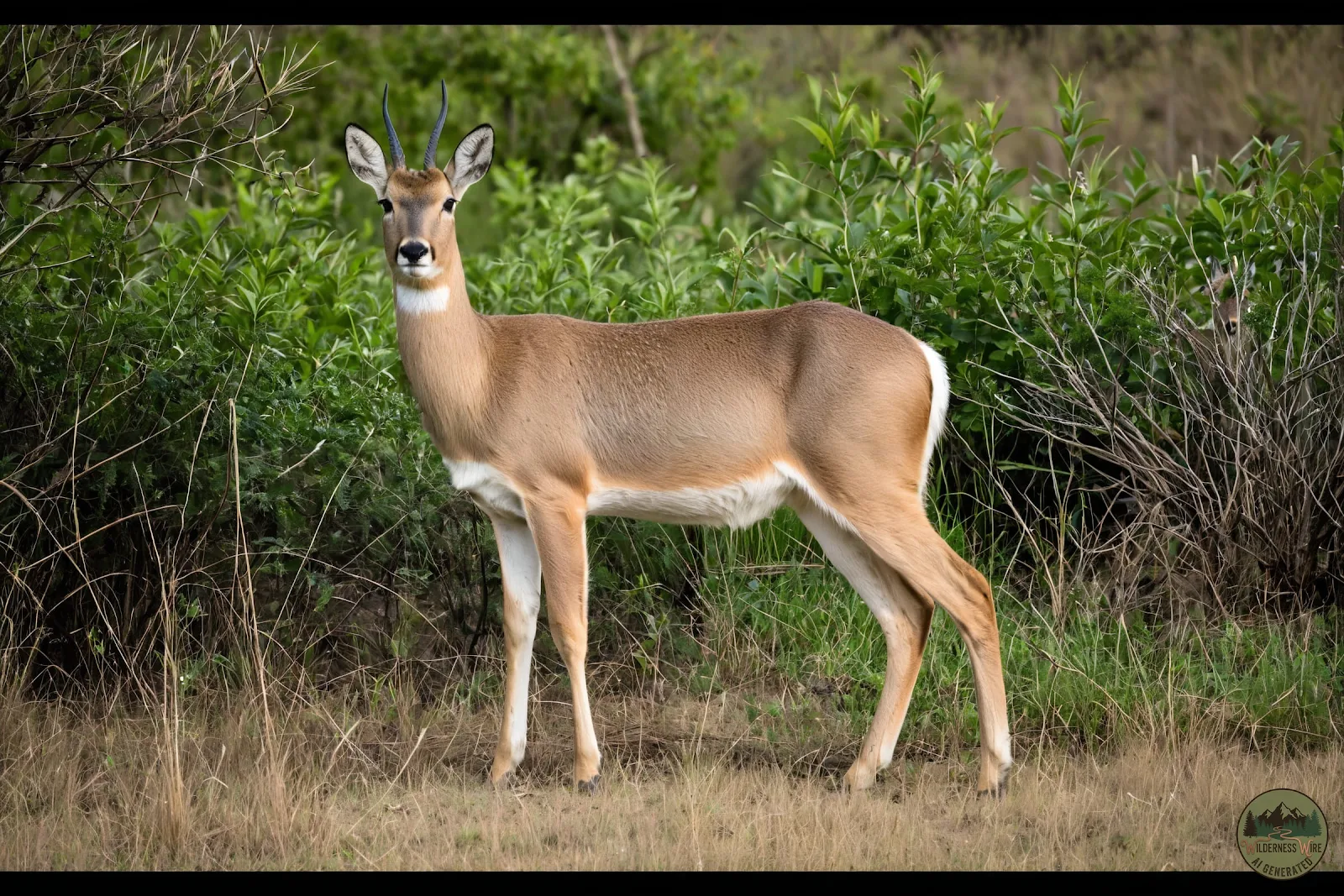
Renowned for their incredible stealth and reliance on heavy ground cover, these elusive herbivores are built for concealment. The genus is split into three distinct species—the Southern Reedbuck, the Bohor Reedbuck, and the Mountain Reedbuck—each perfectly adapted to a unique ecological niche stretching from West African savannas to the high-altitude peaks of Ethiopia.
+------------------+---------------------------------------------------------+

| Feature          | Reedbuck Profile                                        |
+------------------+---------------------------------------------------------+

| Scientific Name  | Genus Redunca (Subfamily: Reduncinae)                   |
| Species Trio     | Southern (Largest), Bohor (Mid-sized), Mountain (Smallest)|
| Diet             | Selective grazers (fresh green shoots, reeds, sedges)   |
| Behavior         | Solitary or small family units; highly territorial      |
| Alarm Signal     | High-pitched "whistle-snort" paired with a white tail flash|
| Key Threat       | Habitat fragmentation and bushmeat poaching            |
+------------------+---------------------------------------------------------+
Meet the Trio: A Study in Adaptation
While all reedbucks share a common lineage, they have evolved subtle physical differences to comfortably split up the African landscape:
- Southern Reedbuck (Redunca arundinum): The heavyweight of the family, standing up to 90 cm at the shoulder. Sporting a yellowish-brown coat, it reigns over the permanent marshes and moist floodplains of Southern and Eastern Africa.
- Bohor Reedbuck (Redunca redunca): A finer, reddish-brown antelope that wanders widely across the open savannas and marshes of Central and West Africa. Its horns feature a much sharper forward hook.
- Mountain Reedbuck (Redunca fulvorufula): The smallest and sturdiest of the three, cloaked in a thick, grayish coat. It shuns the lowlands entirely, thriving exclusively on steep, rocky mountainsides above 1,500 meters.
Built for Stealth and the "Rocking Horse" Escape
A reedbuck’s primary defense strategy is to freeze flat in tall grass, blending seamlessly into its surroundings. If a predator gets too close, the antelope activates a spectacular, highly specialized escape kit.
When flushed, males—the only sex to carry horns—run with a bizarre "rocking horse" gait, executing high, stiff-legged boundaries. As they leap, they blast out a distinctive, high-pitched whistle-snort alarm call to confuse the predator and warn neighboring wildlife. Simultaneously, they flick up their short, fluffy tails, exposing a bright white underside that acts as a visual distress flare to their calves.
Territorial Secrets and the "Hider" Strategy
Reedbucks are quietly independent, preferring a solitary life or living in small, loose family units. Dominant males aggressively guard personal territories that contain prime foraging grasses and daily access to water. They establish boundaries using dedicated dung piles and specialized, hairless glandular scent patches located directly beneath each mobile ear.
Breeding happens year-round but hits its stride during the bountiful wet season. After a seven-to-eight-month gestation, a single calf is born. The mother employs a strict "hider" strategy, keeping her newborn tucked away in dense vegetation for its first few weeks. She visits only to nurse, protecting the scentless calf from keen-eyed predators until it is strong enough to keep up with the herd.
The Conservation Outlook
Because reedbucks are completely tied to specific habitats, environmental degradation hits them incredibly hard. While the widespread Southern Reedbuck is currently rated as "Least Concern" by the IUCN, its cousins are facing a much darker reality. The highly specialized Mountain Reedbuck is now listed as "Near Threatened" due to human encroachment onto mountain grasslands, while the Bohor Reedbuck is suffering steep, localized population drops from heavy bushmeat poaching. Preserving these quiet, elegant ghosts of the grass requires fierce habitat protection and the creation of open wildlife corridors across the changing African continent.