Posts

Showing posts with the label Rhinoceros

Rhinoceros: Ancient Giants Facing Extinction and the Fight for Survival
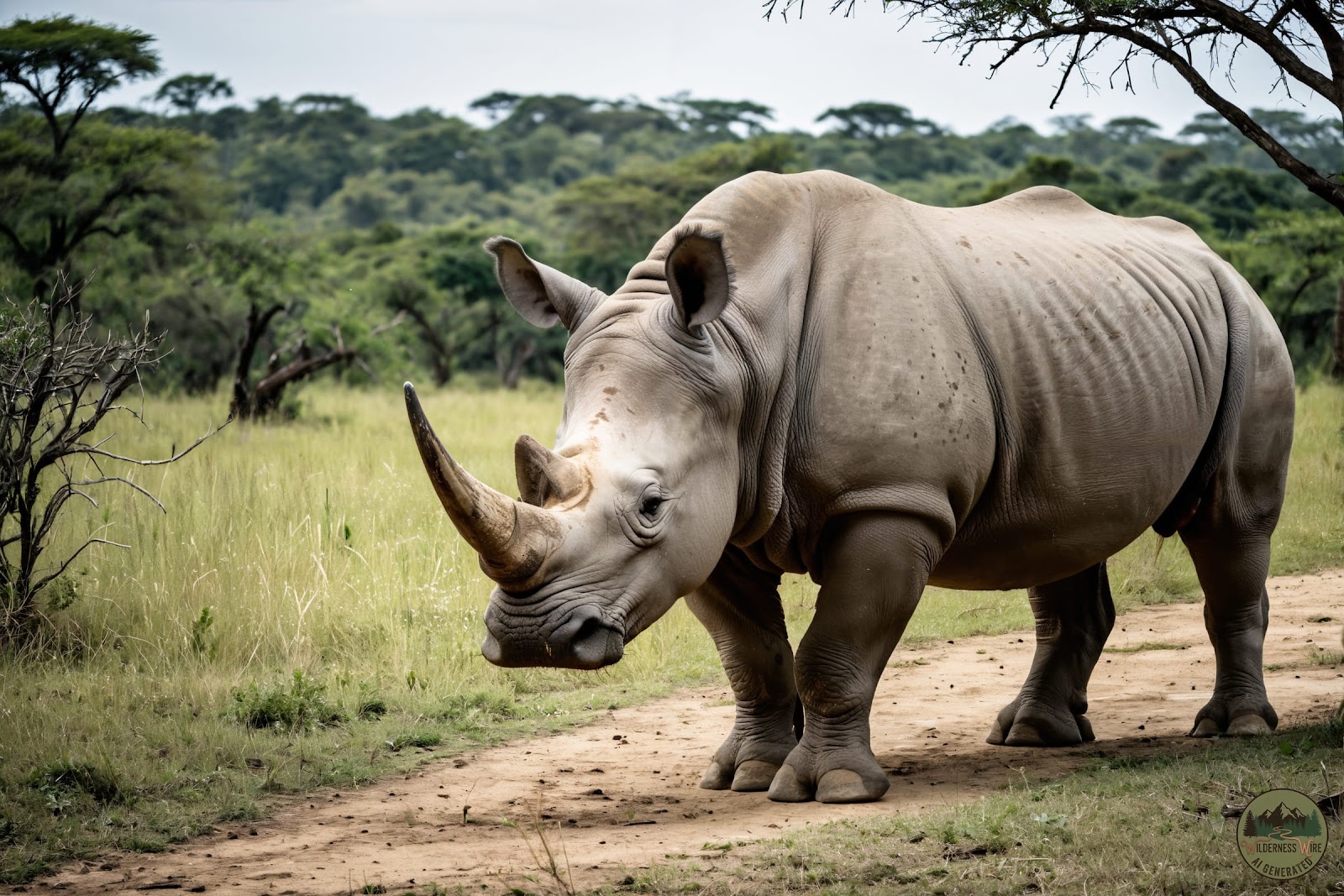
Image
Characterized by their formidable bulk, armor-like skin, and prominent horns, these magnificent herbivores roam the savannas, dense forests, and marshlands of Africa and Asia. Over millions of years, the rhinoceros lineage has evolved into five distinct extant species . Today, they serve as critical keystone and umbrella species, meaning the protection of their massive habitats automatically safeguards thousands of other plants and animals. +------------------+---------------------------------------------------------+ | Species | Rhinoceros Global Profile | +------------------+---------------------------------------------------------+ | White Rhino | Africa; largest species; wide, square lip for grazing | | Black Rhino | Africa; smaller, solitary; prehensile lip for browsing | | Greater One-Horn | Asia (India); single horn; heavily plated, armored skin | | Javan Rhino | Asia; critically endangered; rarest large mammal on Earth|...
The Rhinoceros: An Ancient Icon's Battle for Survival

Image
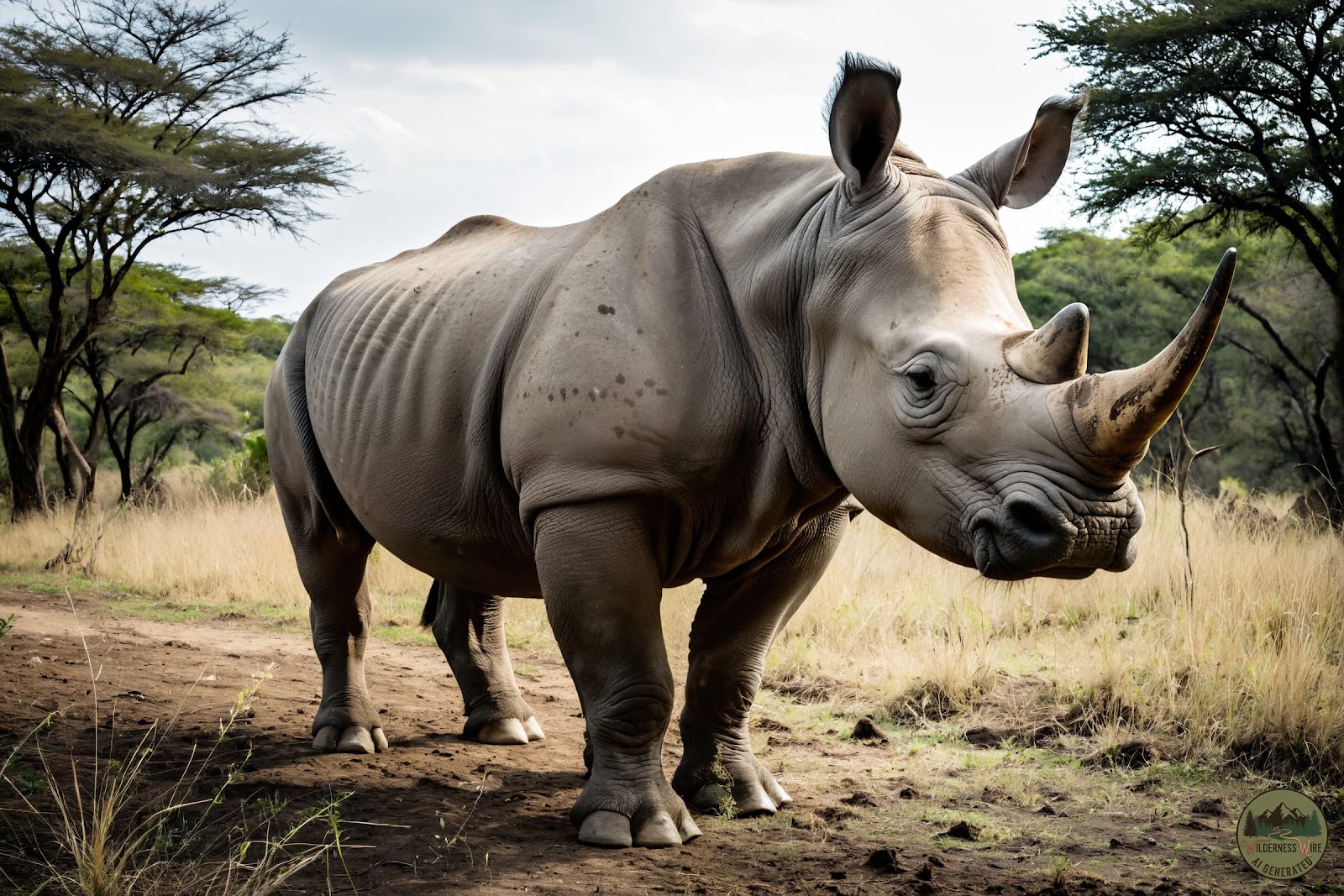
A rhinoceros in its natural habitat The rhinoceros, a creature of immense power and ancient lineage, stands as one of Earth's most recognizable and awe-inspiring megafauna. With its distinctive horn or horns, thick hide, and formidable presence, the rhino has roamed the planet for millions of years, adapting to a variety of landscapes from African savannas to the dense forests of Asia. Today, these magnificent animals face an existential crisis, a poignant reminder of humanity’s impact on the natural world. Understanding the rhinoceros is to delve into a story of incredible biological resilience, unique ecological roles, and a desperate fight for survival. There are five extant species of rhinoceros, each with its own set of characteristics, geographical distribution, and conservation challenges. In Africa, we find the White Rhinoceros (Ceratotherium simum) and the Black Rhinoceros (Diceros bicornis). Despite their names, both are typically grey, with their monikers thought to de...

The Rhinoceros: Ancient Marvels, Critical Threats, and Global Conservation Efforts

Image
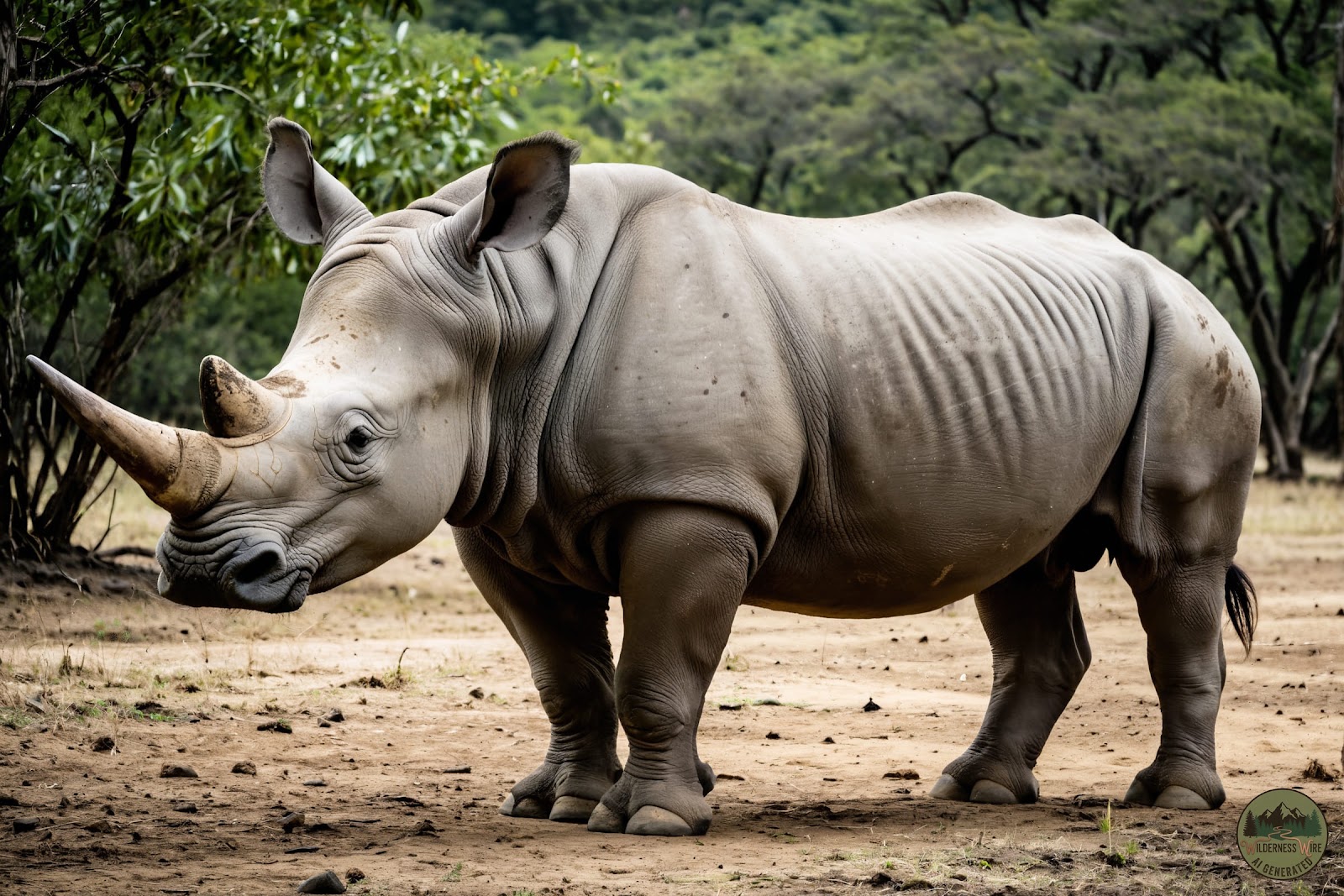
The rhinoceros stands as one of Earth's most ancient and magnificent megafauna, a living relic of a bygone era. With their formidable bulk, armor-like skin, and iconic horn, these creatures command respect and awe. There are five distinct species of rhinoceros, each with unique characteristics and inhabiting different corners of the globe: the Black Rhinoceros, White Rhinoceros, Indian Rhinoceros, Javan Rhinoceros, and Sumatran Rhinoceros. While all share a common ancestry and several general features, their individual adaptations reflect millennia of evolution in diverse environments, from the vast savannas of Africa to the dense tropical forests of Asia. The two African species, the Black and White rhinos, are perhaps the most recognized. Despite their names, both are grey; the "white" in White Rhinoceros is thought to be a corruption of the Afrikaans word "weit," meaning wide, referring to its broad, flat mouth adapted for grazing grasses. The White Rhino i...

 This website utilizes artificial intelligence (AI) systems to generate, draft, and edit content. All text, images, and media on this site should be considered AI-generated or AI-assisted unless explicitly stated otherwise.