Rhinoceros: Ancient Giants Facing Extinction and the Fight for Survival
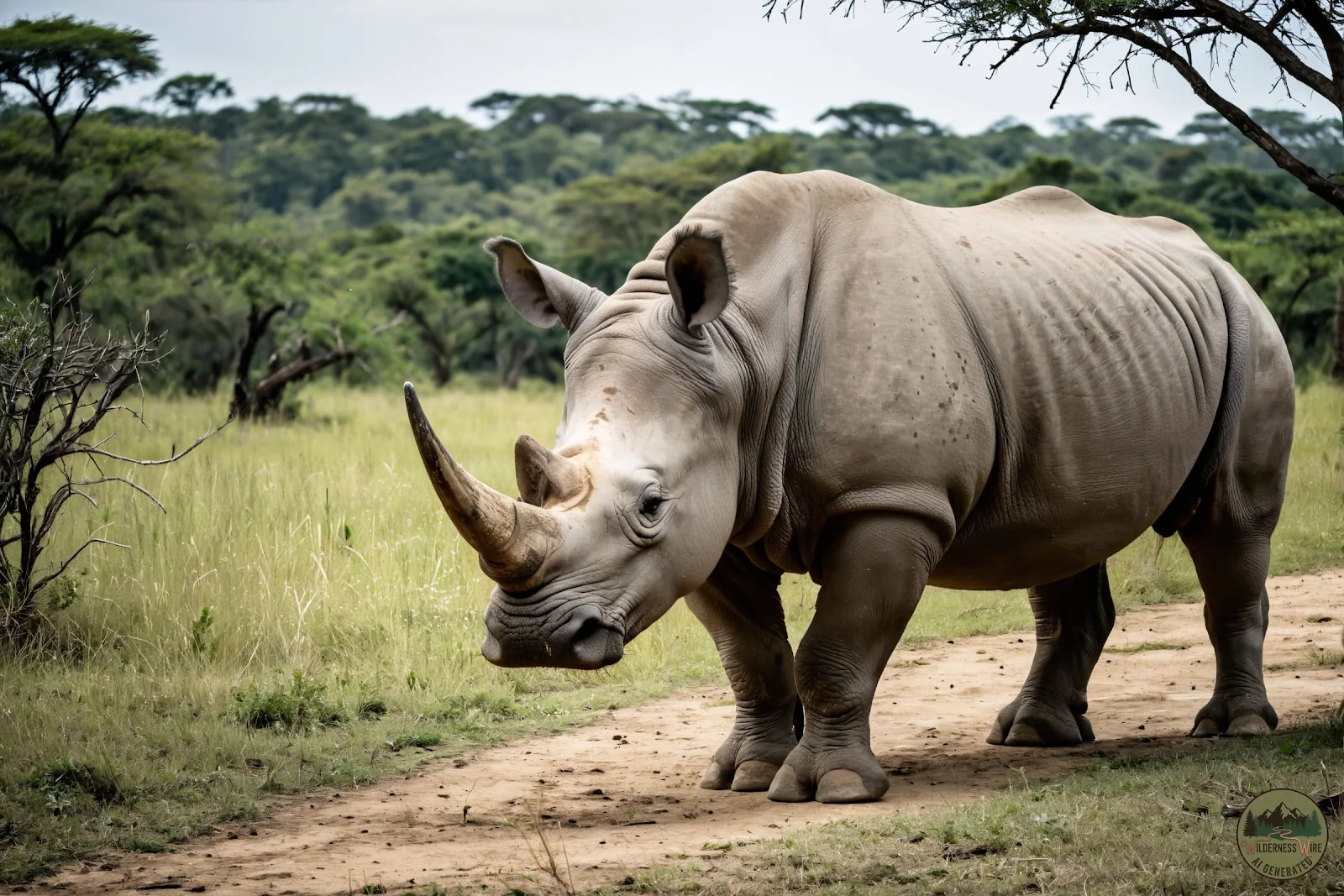
Characterized by their formidable bulk, armor-like skin, and prominent horns, these magnificent herbivores roam the savannas, dense forests, and marshlands of Africa and Asia. Over millions of years, the rhinoceros lineage has evolved into five distinct extant species. Today, they serve as critical keystone and umbrella species, meaning the protection of their massive habitats automatically safeguards thousands of other plants and animals.
+------------------+---------------------------------------------------------+

| Species          | Rhinoceros Global Profile                               |
+------------------+---------------------------------------------------------+

| White Rhino      | Africa; largest species; wide, square lip for grazing   |
| Black Rhino      | Africa; smaller, solitary; prehensile lip for browsing  |
| Greater One-Horn | Asia (India); single horn; heavily plated, armored skin |
| Javan Rhino      | Asia; critically endangered; rarest large mammal on Earth|
| Sumatran Rhino   | Asia; smallest and hairiest; two horns; rainforest dweller|
+------------------+---------------------------------------------------------+
Remarkable Evolutionary Adaptations
Every part of a rhino's anatomy is a masterclass in survival. Despite their intimidating, armored appearance, their bodies rely on highly specialized sensory and physical trade-offs:
- The Keratin Horn: Unlike the horns of cattle, a rhino's horn is not made of bone. Instead, it is a dense compaction of keratin—the exact same protein that forms human hair and fingernails. Rhinos use their horns to defend against predators, dig deep into the earth for water and roots, and establish dominance during territorial disputes.
- Sensory Compensation: Rhinos possess notoriously poor eyesight, struggling to see objects at a distance. To survive, they compensate with an extraordinary sense of smell and hearing. Their large, swiveling ears can pinpoint the faintest rustle of a predator, while their keen olfactory senses allow them to navigate territories and identify neighboring rhinos.
- Shielded Skin: Their skin, which can grow several centimeters thick, acts as a robust natural shield against aggressive thorns, biting insects, and violent clashes with rivals.
Savanna Lawnmowers and Forest Architects
Rhinos are split into two primary feeding styles, heavily influencing the plant life around them:
- The Grazers: The African White Rhino acts as the "lawnmower" of the savanna. Their wide, square lips are perfectly evolved to crop down vast fields of grass, maintaining healthy, open grasslands.
- The Browsers: The Black, Javan, and Sumatran rhinos possess pointed, prehensile lips that act like fingers to pull leaves, twigs, and shoots from dense forest undergrowth.
As they move across massive territories, rhinos create natural pathways through impenetrable brush. More importantly, they are vital agents of seed dispersal, inadvertently spreading plant seeds through their dung, which directly drives forest regeneration and biodiversity.
The Critical Poaching and Habitat Crisis
Despite their imposing size, rhinoceros populations have plummeted catastrophically over the last century due to human activities. They are trapped in a dual crisis of habitat fragmentation—caused by expanding human agriculture and infrastructure—and a brutal illegal wildlife trade.
The most immediate, devastating threat is illegal poaching. Driven by an illicit black-market demand in certain Asian markets, rhinos are ruthlessly hunted for their horns. These horns are highly coveted as status symbols or falsely believed to hold powerful medicinal properties. Heavily armed poaching syndicates systematically slaughter these animals, leaving ecosystems fractured.
Global Conservation Frontlines
To prevent the total collapse of the species, an aggressive, multifaceted global conservation network has been deployed:
- Ranger Defenses & Dehorning: Highly trained anti-poaching units risk their lives daily using advanced surveillance technology. In high-risk zones, conservationists perform controlled dehorning operations, safely removing the keratin horn to make the living rhino worthless to poachers.
- Translocations & Breeding: Wildlife groups actively move threatened rhinos to highly secure, secret sanctuaries. Simultaneously, global captive breeding programs act as genetic safety nets to prevent the absolute extinction of the rarest species.
- Community Alignment: Modern initiatives focus heavily on local community engagement, providing economic alternatives to poaching and fostering local pride and ownership over native wildlife.
While dedicated protection has helped the Southern White Rhino mount a historic population recovery, the future hangs precariously in the balance. The Javan and Sumatran rhinos are entirely critical, with their total numbers reduced to mere dozens or hundreds. Protecting these ancient giants is an urgent global responsibility, demanding sustained investment to ensure the wild spirit of our planet remains intact.