Red Deer: Majestic Icons of Wild European and Asian Landscapes
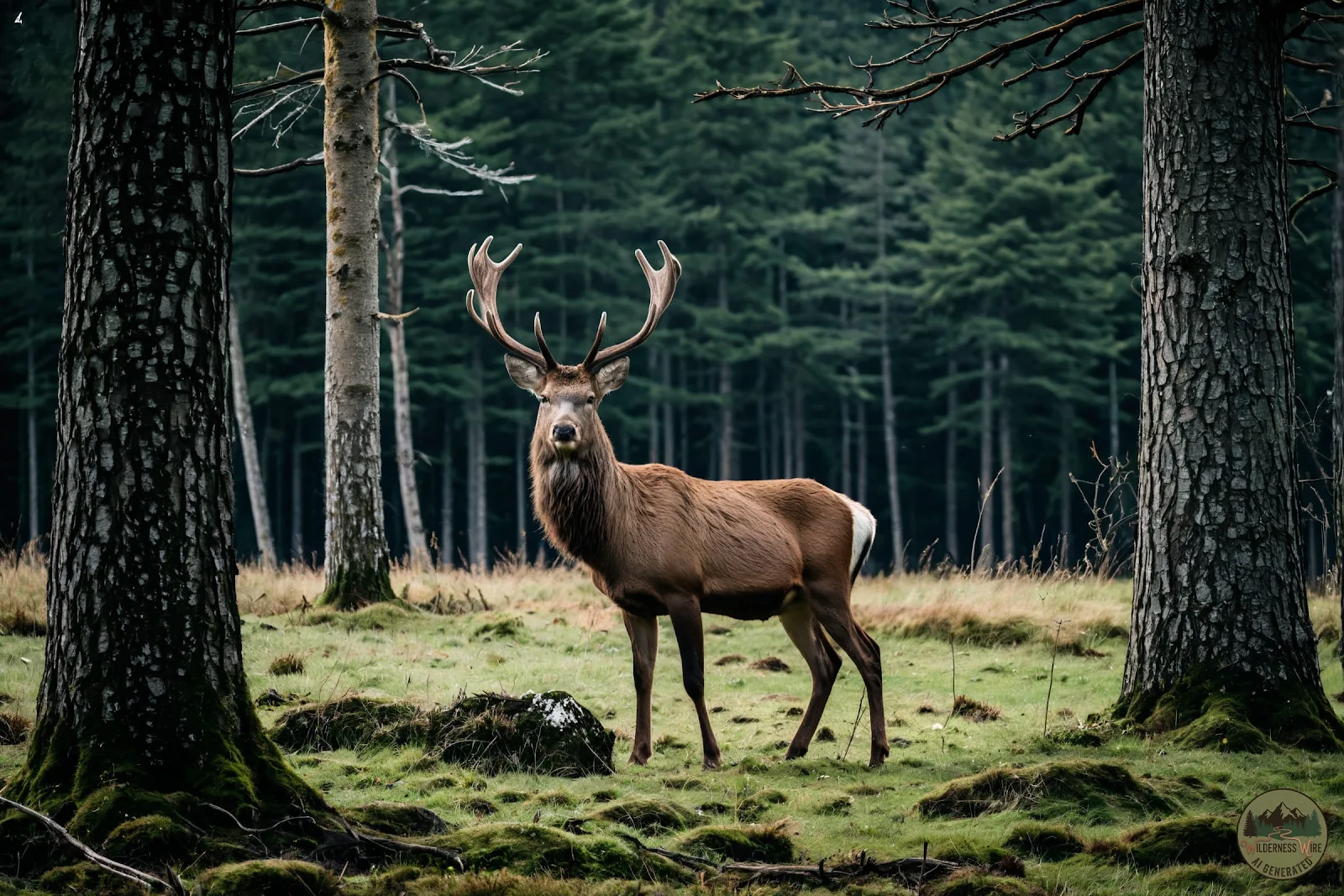
Red Deer are substantial, powerful animals that exhibit clear sexual dimorphism. Their coats are highly responsive to the seasons: a vibrant russet-brown in the summer transitions to a muted grey-brown in the winter, providing excellent camouflage against changing wilderness backdrops. A distinctive pale rump patch further marks their silhouette.
The physical hallmarks of the sexes include:
- The Stags (Males): Significantly larger than females, mature stags carry an impressive crown of antlers. Shed annually in late winter or early spring, these bony weapons regrow rapidly over the summer. During this time, they are encased in a blood-rich, sensitive skin layer called "velvet." Once hardened, stags scrape the velvet off against trees to expose the polished bone underneath. Antler size and complexity serve as direct signals of a stag's age, dominance, and nutritional health.
- The Hinds (Females): Smaller, hornless, and highly social, hinds form the backbone of the species' daily herd life.
The Social Divide and the Autumn Rut
For most of the year, Red Deer enforce a strict social segregation based on gender:
- Matriarchal Herds: Hinds live in tightly knit, cooperative groups with their calves and yearlings. These herds are typically led by an older, experienced female who navigates the group toward optimal foraging grounds and coordinates defense against predators.
- Bachelor Groups: Outside of the breeding season, stags live largely solitary lives or gather in small bachelor bands in remote, higher-altitude areas to peacefully conserve energy and grow their antlers.
This peace shatters dramatically during the autumn rut (late September to November). Driven by reproductive competition, stags descend to the lowlands to claim access to females. The wilderness fills with the guttural, echoing roars of stags challenging rivals and advertising their fitness. Dominant stags assemble harems of hinds, defending them through intense visual displays, parallel walking, and violent, high-stakes antler clashes that can result in severe injury or death.
Diet, Impact, and Life Cycle
Red Deer are highly opportunistic feeders, blending grazing (eating grasses and sedges) with browsing (eating the shoots, bark, and leaves of woody trees). As autumn approaches, they gorging on nutrient-dense acorns and chestnuts to build vital fat reserves for the winter. In areas with high deer densities, their flexible foraging habits heavily influence forest regeneration, drastically altering the understory vegetation.
Following an eight-month gestation period, hinds give birth to a single calf in late spring. Newborns weigh just 6 to 8 kilograms and feature a beautifully spotted coat designed to mimic the dappled light of the forest undergrowth. To outsmart predators, the mother keeps the calf perfectly hidden in dense brush, returning only to nurse until it is strong enough to join the main herd.
Ecological Importance and Management
In balanced wilderness zones, Red Deer are a vital food source for apex predators like wolves and brown bears. However, in regions where these large carnivores have vanished, human management is often required to regulate deer numbers and prevent destructive overgrazing. While they are globally secure, local populations remain vulnerable to habitat fragmentation, human encroachment, and competition with livestock. Ultimately, a thriving Red Deer population stands as a reliable indicator of a healthy, robust temperate ecosystem.