Posts

Showing posts with the label Nature

Przewalski's Horse: A Wild Journey from Extinction to Resurgence
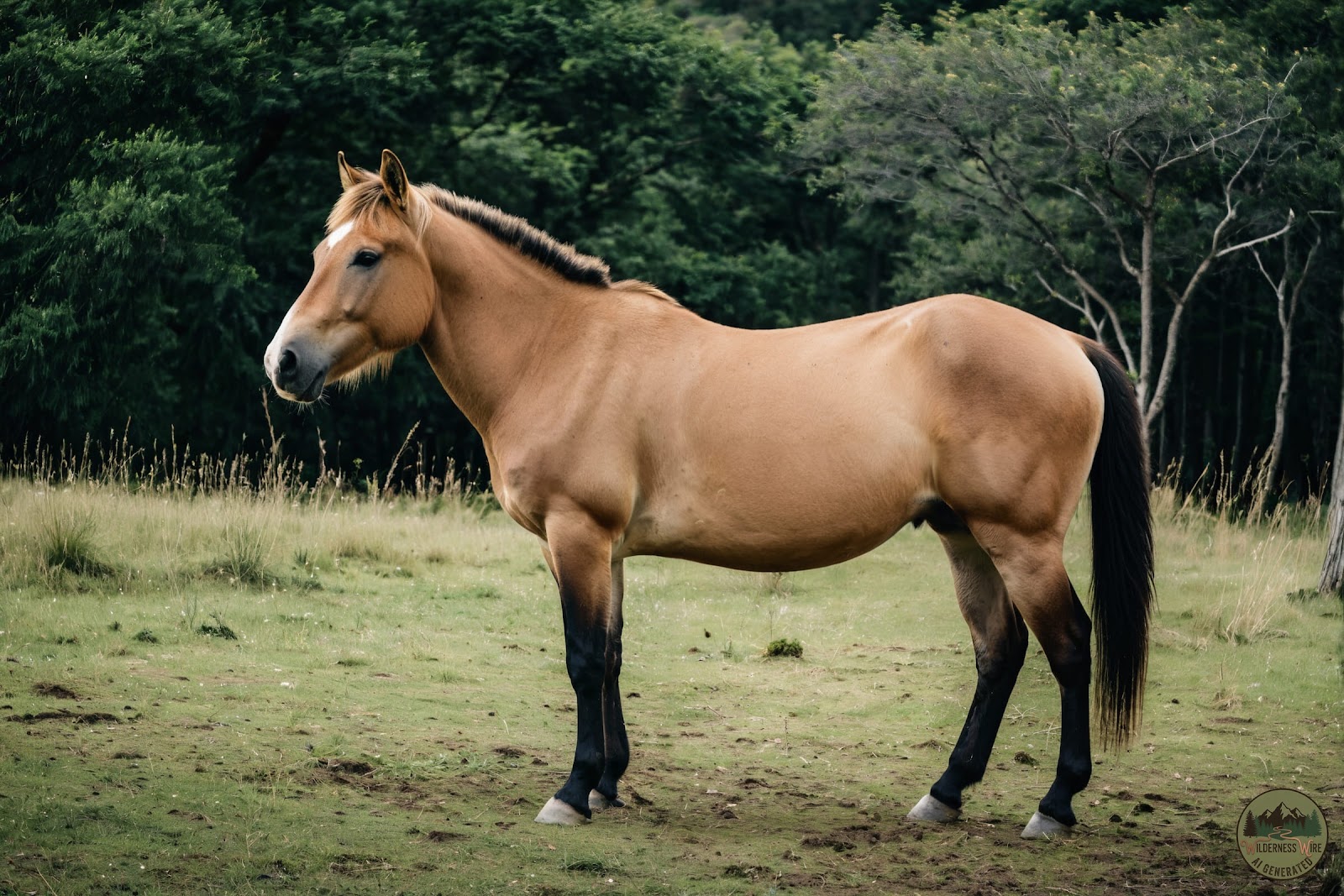
Image
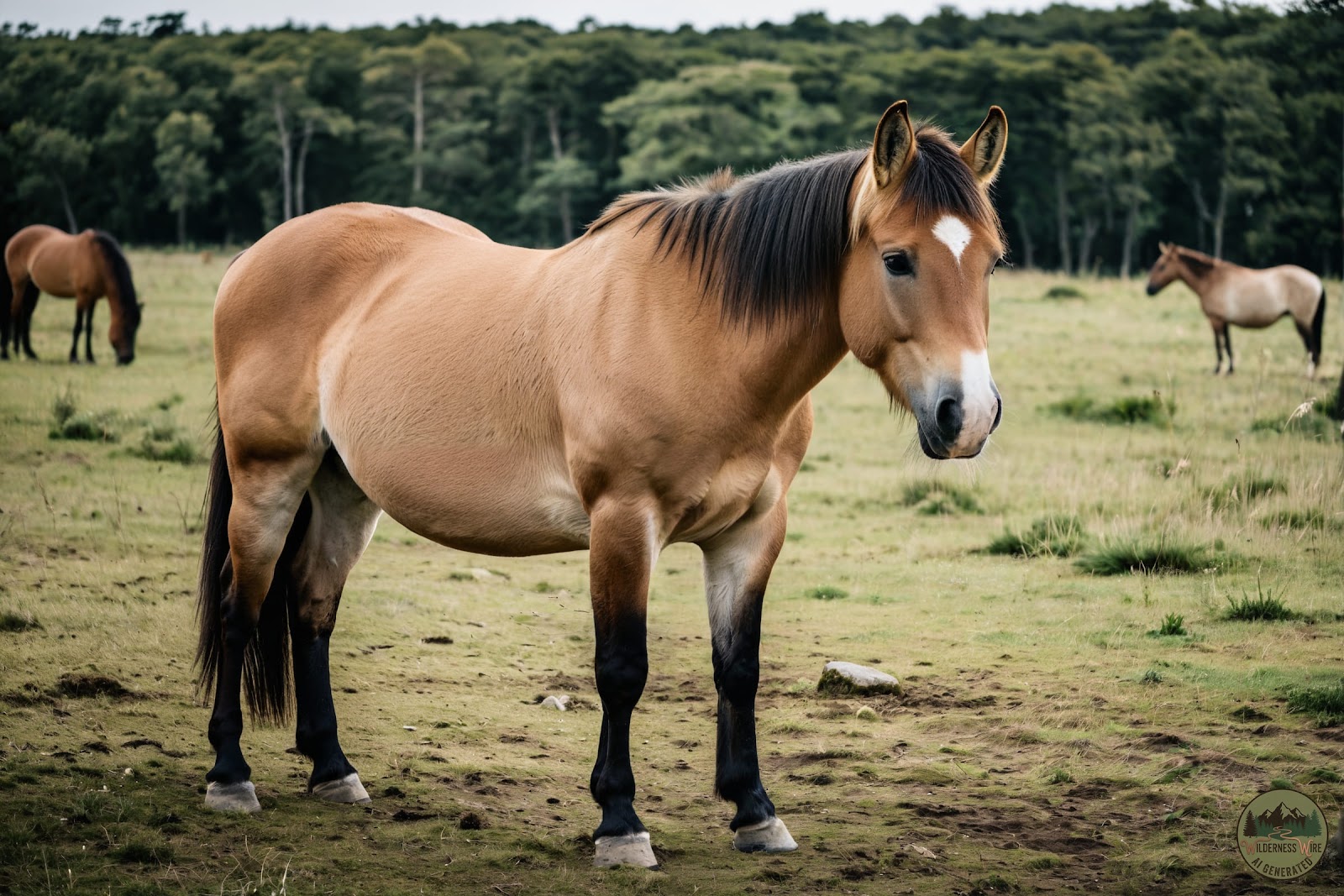
The animal depicted here represents one of the most remarkable conservation success stories of our time. Known as the last truly wild horse species, its journey from the brink of extinction to a cautious resurgence in its native habitats is a powerful testament to dedicated global efforts. This stocky, hardy equid once roamed the vast steppes of Central Asia, a symbol of untamed wilderness. A Journey Through Time The history of this horse is intricately linked to human expansion and exploration. European scientists first formally described it in the late 19th century, named after the Russian explorer Nikolai Przewalski, who encountered herds in what is now Mongolia. Unlike domesticated horses, which have been selectively bred by humans for millennia, these horses are considered the genuine descendants of ancient wild horse populations, never having been successfully domesticated. Their genetic makeup stands distinct, marking them as a unique evolutionary lineage. From the Brink of...
Pronghorn: Speed, Survival, and the Spirit of the American West

Image
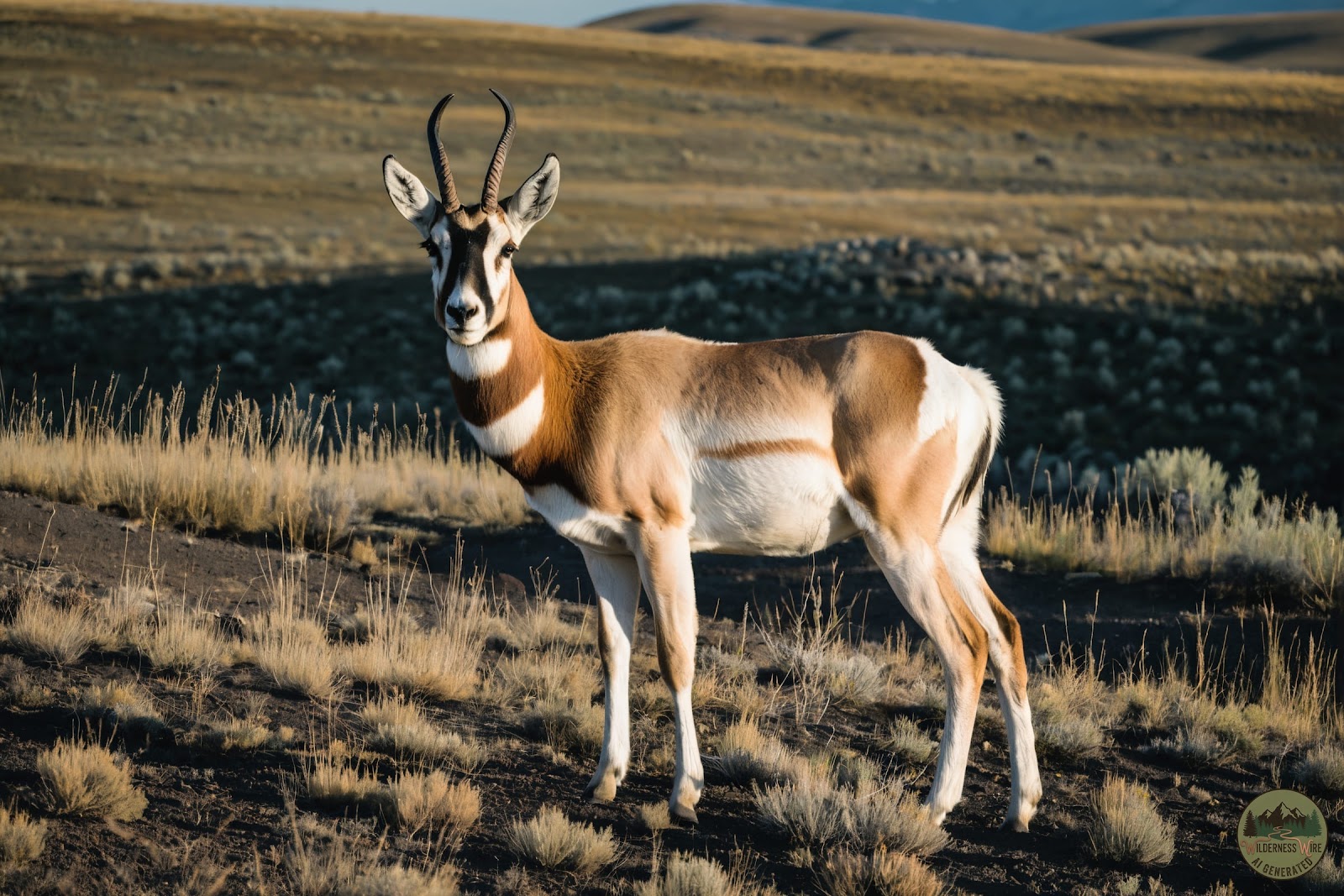
The majestic creature pictured above, often mistaken for an antelope, holds a unique and venerable place among North American fauna. It is, in fact, the sole surviving member of the Antilocapridae family, a lineage distinct from true antelopes found in Africa and Asia. Renowned as the fastest land animal in the Western Hemisphere, its very existence is a testament to millions of years of evolutionary refinement, perfectly adapted to the vast, open landscapes of the continent's interior. This remarkable mammal embodies the spirit of the American West, a survivor whose every feature is honed for life on the open range. A Marvel of Speed and Endurance The most striking attribute of this magnificent animal is its unparalleled speed. Capable of bursts up to 98 kilometers per hour (61 mph), it is second only to the cheetah globally, and it maintains high speeds over much longer distances than its African counterpart. This incredible athleticism is not just about raw power; it's a ...

The Last Wild Horse: Przewalski's Journey Back to the Steppes

Image
Deep in the heart of the Eurasian steppes roams a creature of immense historical and biological significance: the last truly wild horse. For centuries, horses have been intertwined with human civilization, yet almost all today are domesticated. This magnificent animal stands as a living testament to an untamed past, a species that narrowly escaped oblivion and now serves as a beacon of hope for conservation. Its story is one of dramatic decline, meticulous scientific intervention, and inspiring resurgence, echoing the resilience of nature itself. A Glimpse into the Past: Physical Attributes Distinguished from their domesticated cousins, these horses possess a unique set of physical characteristics that reflect their ancient lineage and adaptation to harsh environments. They are typically stockier and more robustly built than domestic horses, with a proportionally larger head and a shorter neck. Their most striking feature is their distinctive coat color, a dun or "bay dun" ...

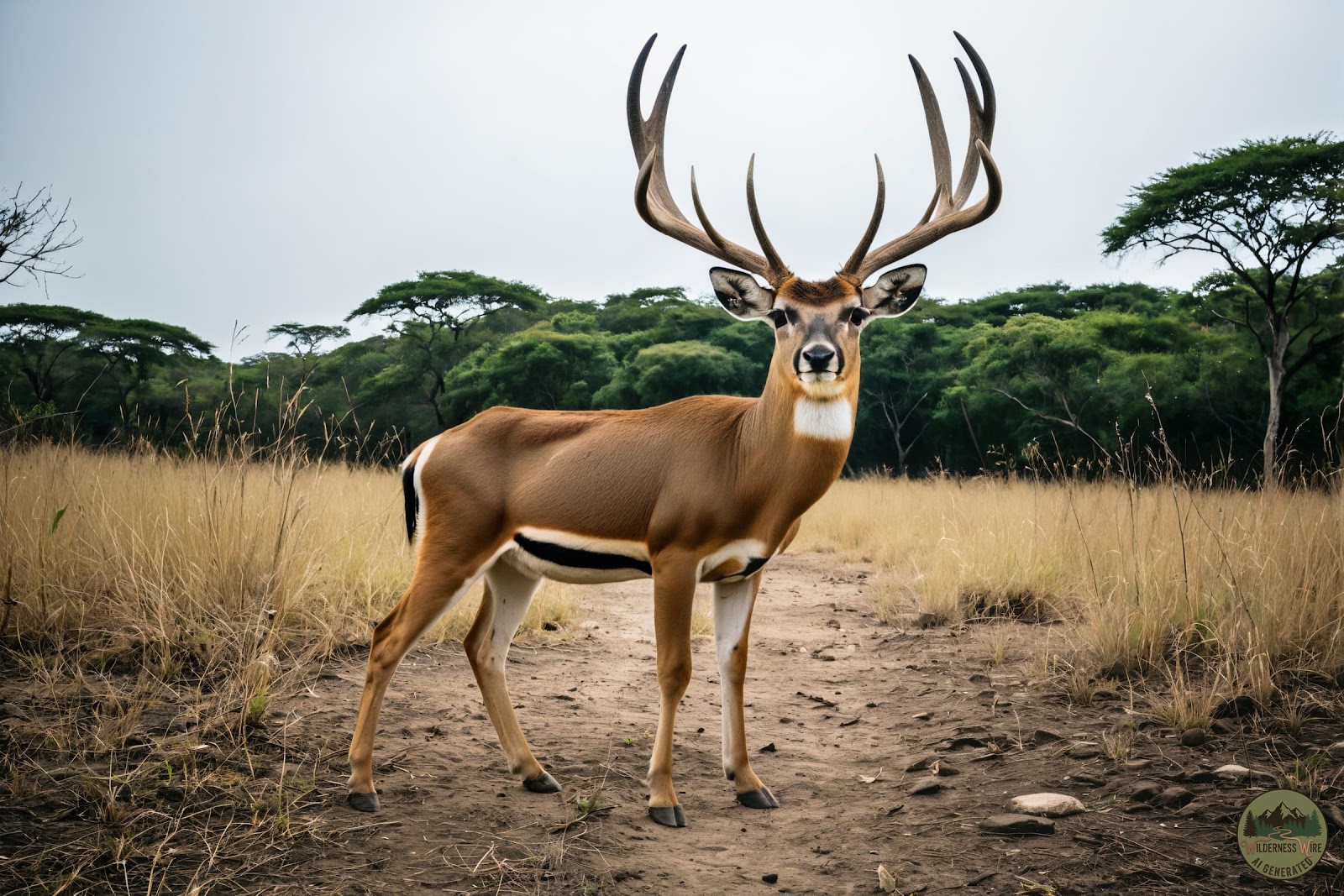
Puku: The Emblematic Antelope of Central and Southern African Wetlands

Image
The Puku ( Kobus vardonii ) is a striking, medium-sized antelope that serves as a living indicator of healthy, thriving African wetlands. While many safari-goers scan the horizons for lions and elephants, this golden-coated herbivore quietly rules the fertile floodplains and marshy grasslands of Central and Southern Africa. Found primarily in water-rich corridors across Zambia, the DRC, Angola, Botswana, Tanzania, and Malawi, the Puku's presence tells conservationists everything they need to know about the health of a wetland ecosystem. +------------------+---------------------------------------------------------+ | Feature | Puku Profile | +------------------+---------------------------------------------------------+ | Scientific Name | Kobus vardonii (Subfamily: Reduncinae) | | Range | Central & Southern Africa (Zambia, DRC, Tanzania, etc.) | | Shoulder Height | 80 to 90 centimeters (31–35 in...

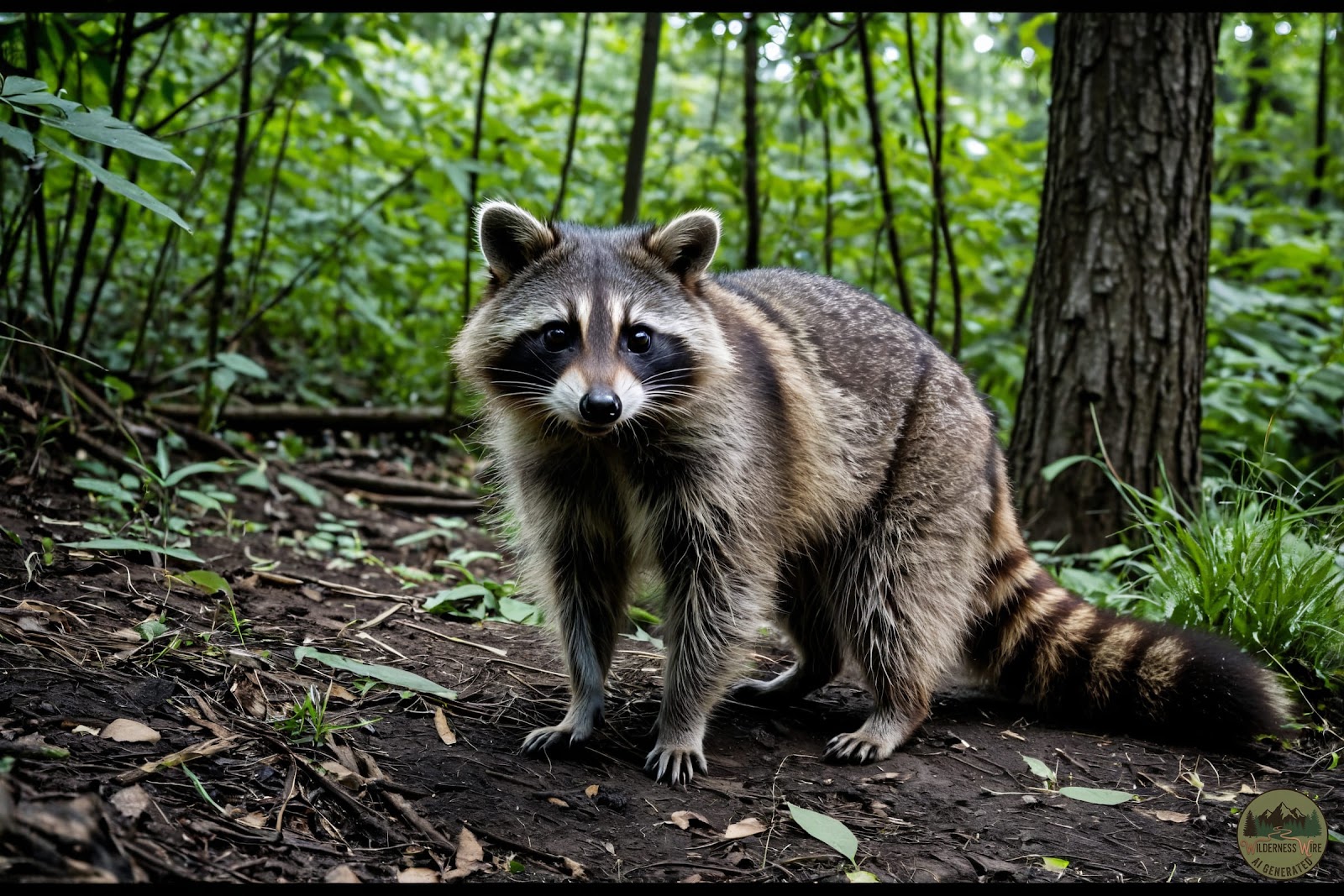
Beyond the Mask: The Raccoon's Remarkable Adaptability and Intelligence

Image
The raccoon's global success is fueled by a potent combination of problem-solving intelligence, incredible manual dexterity, and an opportunistic nature that allows it to turn human-dominated landscapes into its personal buffet. +------------------+---------------------------------------------------------+ | Feature | Raccoon Profile | +------------------+---------------------------------------------------------+ | Scientific Name | Procyon lotor | | Range | North America (native); heavily expanded into urban areas| | Weight | 4 to 9 kilograms (9 to 20 pounds) | | Shoulder Height | 23 to 30 centimeters (9 to 12 inches) | | Diet | Highly opportunistic omnivore (fruits, meat, trash) | | Main Attributes | Hand-like front paws, high intelligence, ringed tail | +------------------+---------------------------------...

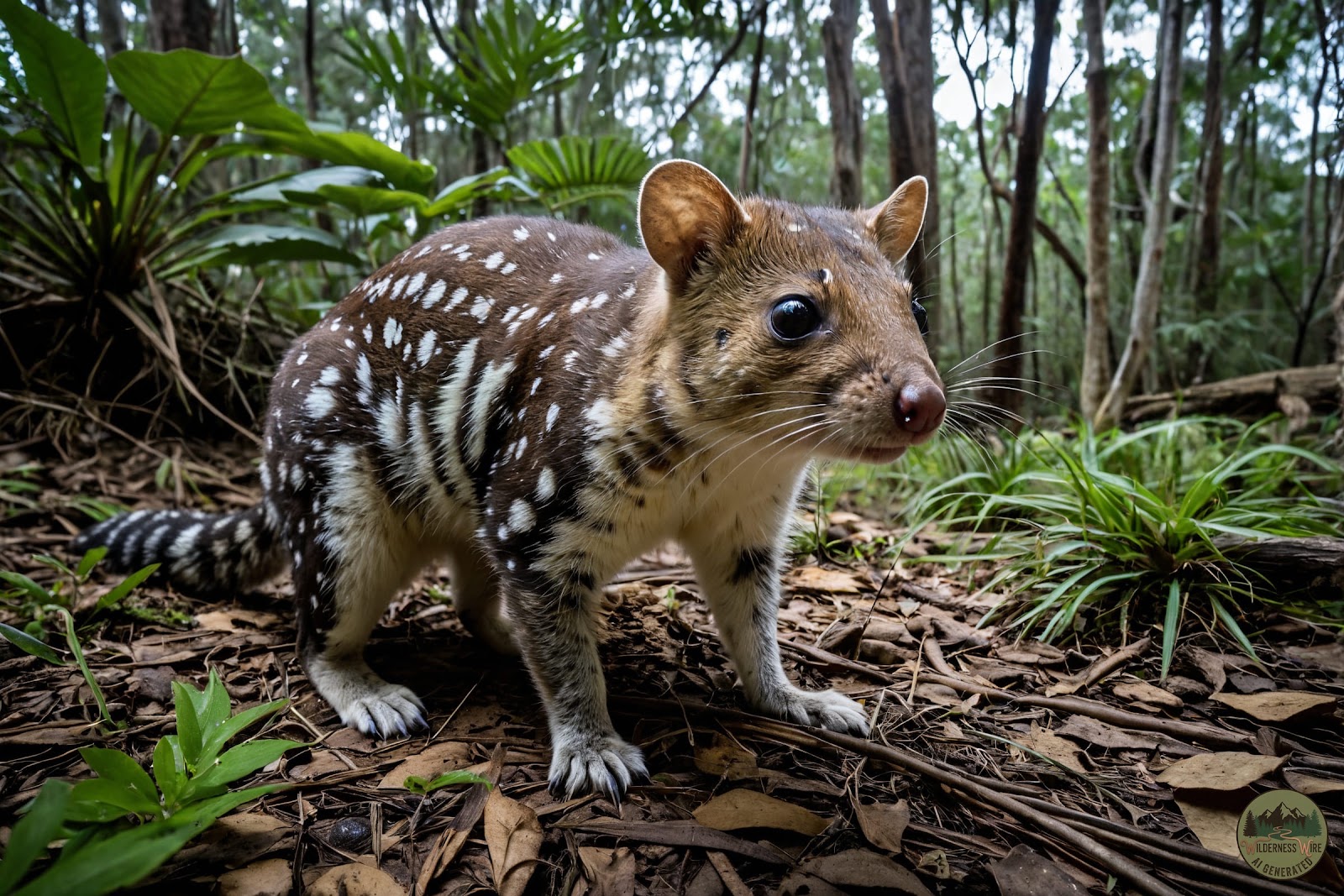
Quolls: Enigmatic Spotted Predators and Their Fight for Survival

Image
Resembling a striking cross between a wild cat and a ferret, these nocturnal hunters occupy a vital predatory niche in their native ecosystems. Across their range, six distinct species are recognized—four in Australia (the Eastern, Western, Northern, and massive Spotted-tailed quoll) and two in New Guinea (the Bronze and New Guinean quoll). Despite their evolutionary success, quolls are facing sharp population declines, turning them into a high priority for modern conservation. +------------------+---------------------------------------------------------+ | Feature | Quoll Profile | +------------------+---------------------------------------------------------+ | Subclass | Marsupialia (Carnivorous) | | Species Count | 6 recognized species (4 Australian, 2 New Guinean) | | Size Range | Varies from a small domestic cat to a medium dog | | Diet | Opportunistic carniv...

 This website utilizes artificial intelligence (AI) systems to generate, draft, and edit content. All text, images, and media on this site should be considered AI-generated or AI-assisted unless explicitly stated otherwise.