Quolls: Enigmatic Spotted Predators and Their Fight for Survival
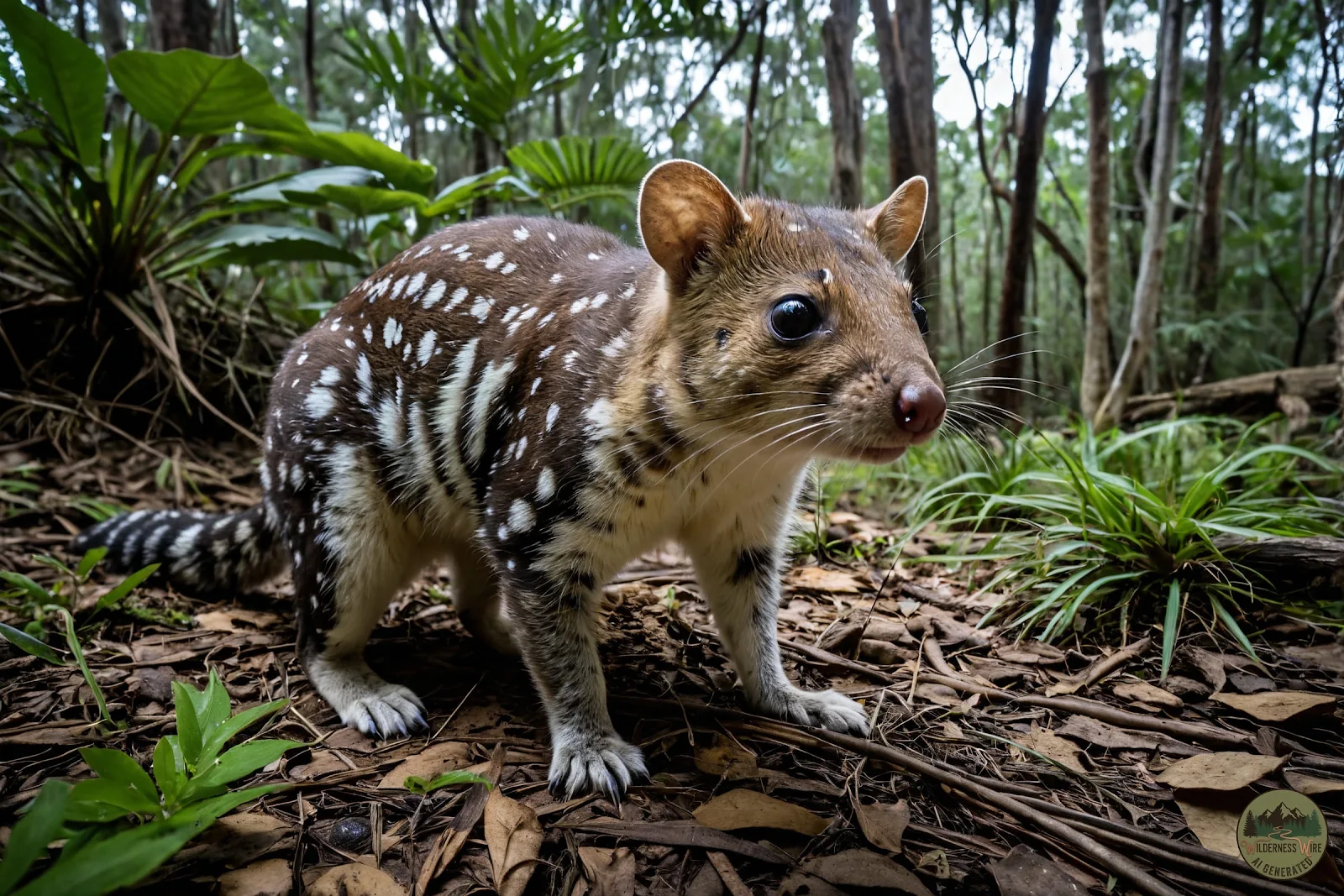
Resembling a striking cross between a wild cat and a ferret, these nocturnal hunters occupy a vital predatory niche in their native ecosystems. Across their range, six distinct species are recognized—four in Australia (the Eastern, Western, Northern, and massive Spotted-tailed quoll) and two in New Guinea (the Bronze and New Guinean quoll). Despite their evolutionary success, quolls are facing sharp population declines, turning them into a high priority for modern conservation.
+------------------+---------------------------------------------------------+

| Feature          | Quoll Profile                                           |
+------------------+---------------------------------------------------------+

| Subclass         | Marsupialia (Carnivorous)                               |
| Species Count    | 6 recognized species (4 Australian, 2 New Guinean)      |
| Size Range       | Varies from a small domestic cat to a medium dog        |
| Diet             | Opportunistic carnivore (insects, rodents, birds, carrion)|
| Lifespan         | Short, typically 2 to 5 years in the wild               |
| Primary Threats  | Habitat loss, feral predators, toxic cane toads         |
+------------------+---------------------------------------------------------+
Aesthetic Camouflage and Physical Prowess
A quoll is instantly identifiable by its vibrant brown or black coat, which is heavily dappled with distinct white spots. Far from being merely decorative, this spotted pattern acts as perfect camouflage, breaking up the animal’s silhouette under the dappled moonlight of dense forests and rocky terrain.
Their bodies are engineered for high-performance hunting:
- Powerful Jaws: Quolls possess an array of razor-sharp teeth designed to deliver a crushing bite to subdue prey, sometimes larger than themselves.
- Arboreal Dexterity: The Spotted-tailed quoll (or Tiger quoll) features sharp claws and a long balance-enhancing tail, allowing it to scale trees with agility that is incredibly rare among marsupial carnivores.
- Keen Senses: A pointed snout houses a highly sophisticated sense of smell, allowing them to pinpoint prey in absolute darkness.
Ecosystem Engineers and Diet
Quolls are highly adaptable, solitary, and opportunistic predators. They clean up their environments by consuming a massive variety of prey, including spiders, insects, crustaceans, small mammals, birds, lizards, and frogs. They are also active scavengers that readily eat carrion.
By keeping populations of rodents and insects in check, quolls act as natural pest controllers. Because they hunt strictly at night, their immense agricultural and environmental contributions often go completely unnoticed by humans.
High-Stakes Reproduction
Quoll reproduction is a high-stakes numbers game. Following an incredibly brief gestation period, a female will give birth to a massive litter of up to 18 tiny, undeveloped neonates. However, survival is dictated by anatomy: because quolls only possess a simple fold of skin instead of a deep pouch, and carry only 4 to 8 teats, only the first few newborns to successfully latch will survive.
The young remain attached for several weeks before moving to a den or riding on their mother's back. Because wild quolls have a remarkably short lifespan of just 2 to 5 years, every single breeding cycle is critical to keeping the species from the brink of extinction.
The Fight Against Extinction
Virtually all quoll species are currently classified as vulnerable or endangered due to severe human and environmental pressures:
- Habitat Fragmentation: Land clearing isolates small populations, leaving them highly vulnerable to localized extinction events.
- Invasive Predators: Feral foxes and cats relentlessly compete with quolls for food and directly prey on their young.
- The Cane Toad Crisis: The invasive, highly toxic cane toad has completely decimated Northern quoll populations, as the marsupials are instantly poisoned when attempting to eat them.
To secure their future, conservationists are actively building protected wildlife corridors, running captive breeding programs, managing feral pests, and training wild quolls to avoid eating toxic toads. Preserving these iconic spotted predators is essential to maintaining the ancient ecological balance of the Australasian wild.