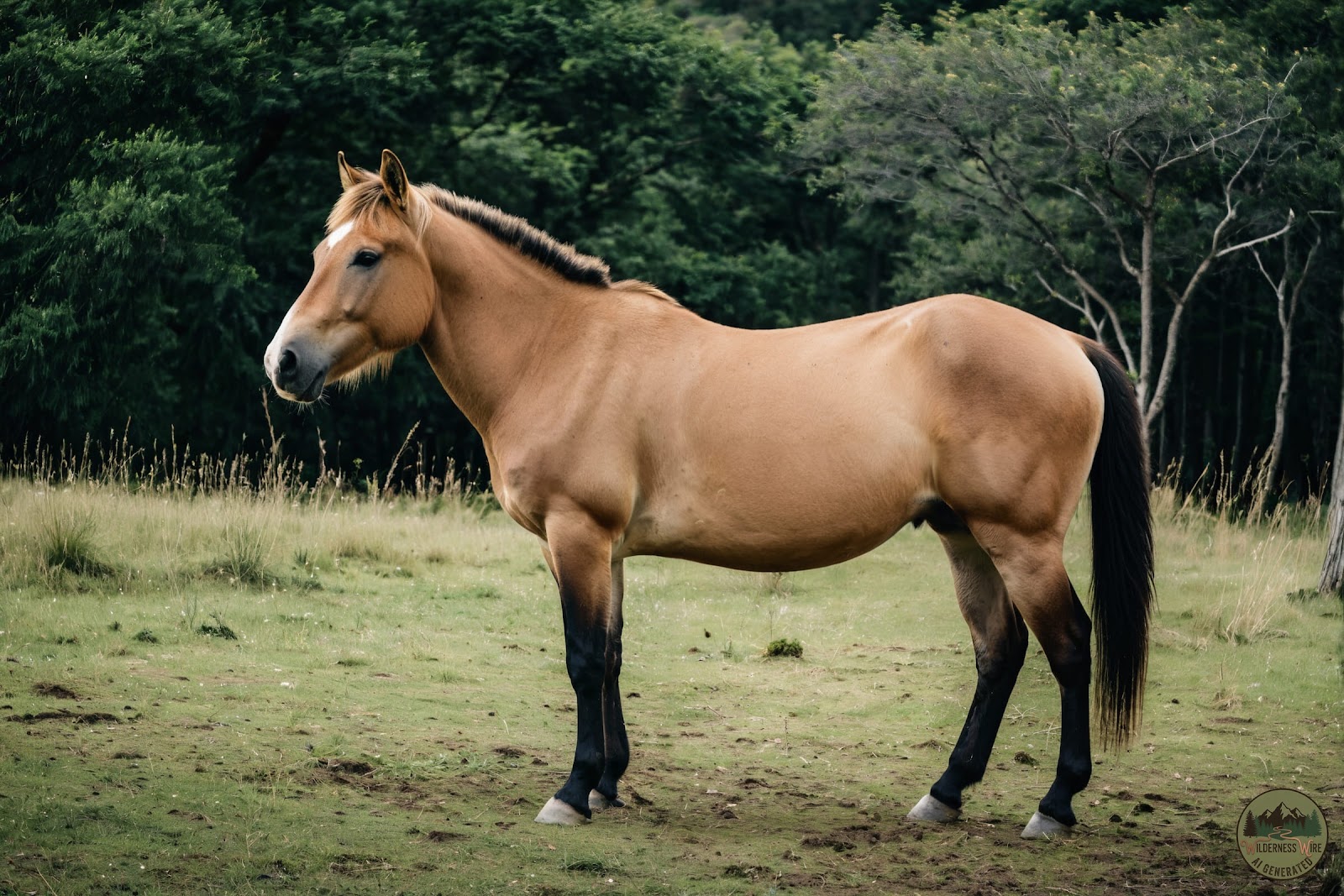
Puku: The Emblematic Antelope of Central and Southern African Wetlands
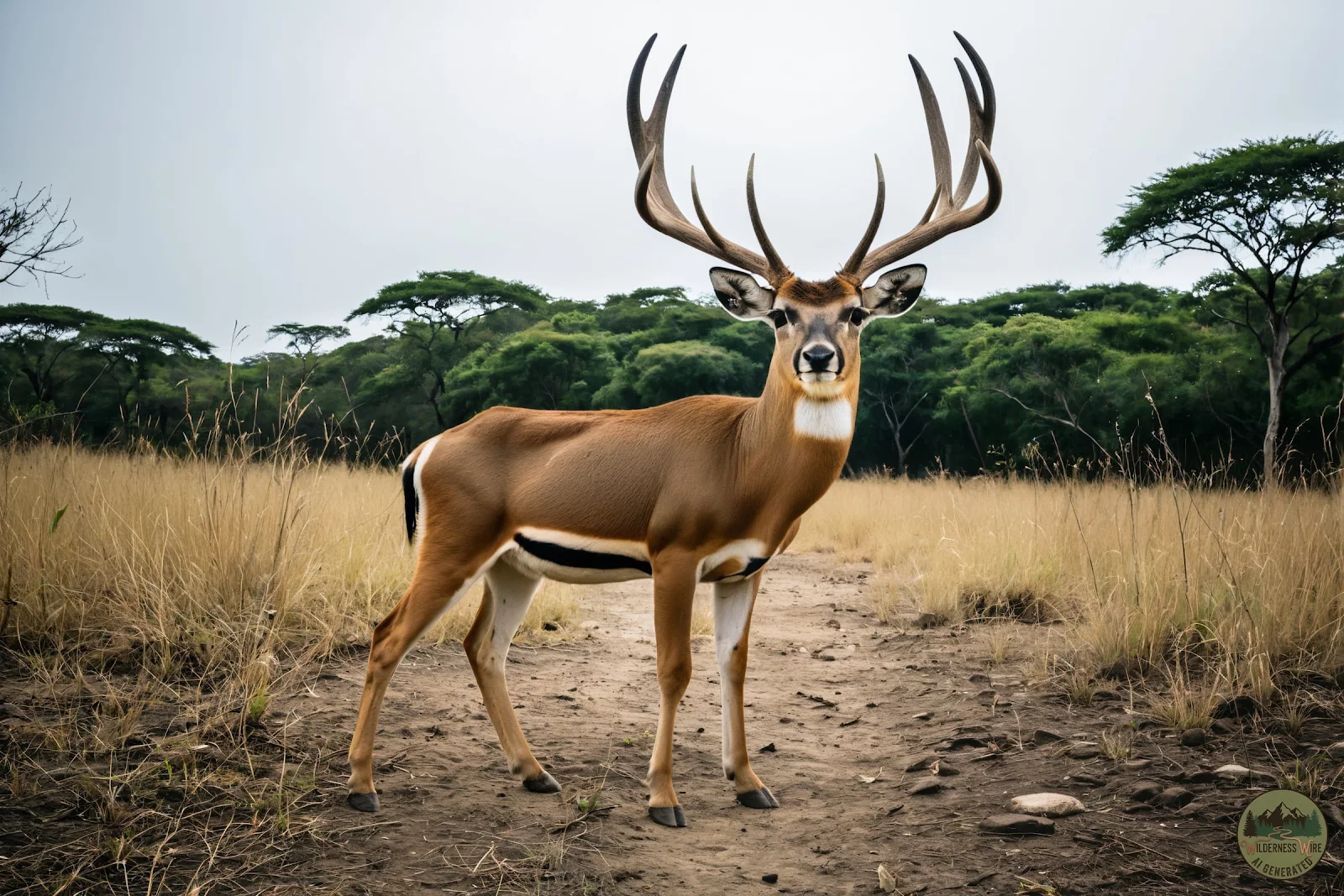
The Puku (Kobus vardonii) is a striking, medium-sized antelope that serves as a living indicator of healthy, thriving African wetlands. While many safari-goers scan the horizons for lions and elephants, this golden-coated herbivore quietly rules the fertile floodplains and marshy grasslands of Central and Southern Africa. Found primarily in water-rich corridors across Zambia, the DRC, Angola, Botswana, Tanzania, and Malawi, the Puku's presence tells conservationists everything they need to know about the health of a wetland ecosystem.
+------------------+---------------------------------------------------------+

| Feature          | Puku Profile                                            |
+------------------+---------------------------------------------------------+

| Scientific Name  | Kobus vardonii (Subfamily: Reduncinae)                  |
| Range            | Central & Southern Africa (Zambia, DRC, Tanzania, etc.) |
| Shoulder Height  | 80 to 90 centimeters (31–35 inches)                     |
| Weight           | 70 to 80 kilograms (154–176 pounds)                     |
| Diet             | Strictly herbivorous (perennial wetland grasses)        |
| IUCN Status      | Least Concern (but locally threatened)                  |
+------------------+---------------------------------------------------------+
Built for the Marsh: Appearance and Adaptations
At first glance, the Puku is a vision of gold. Its vibrant yellow-to-reddish-brown coat provides the perfect camouflage against sun-drenched reeds and dry grasses. This rich color contrasts sharply with its white underparts, inner thighs, and a distinct white patch marking its throat.
To survive in environments that shift constantly between mud and water, the Puku has evolved specialized physical traits:
- Lyre-Shaped Horns: Exclusive to the larger, more robust males, these heavily ridged horns sweep backward and curve gracefully inward. They easily differentiate the Puku from similar neighbors like the Lechwe or Waterbuck.
- Splayed Hooves: Their elongated, wide hooves act like natural snowshoes, spreading their weight to prevent them from sinking into soft, treacherous mud.
- Proficient Swimmers: While they don't live in deep water like the Sitatunga antelope, Pukus will readily dive into rivers to escape predators or reach untouched, lush grazing islands.
Herd Dynamics and Diet
Pukus are highly social, gregarious animals that live in flexible herds of up to 30 individuals. Their society is dictated by resources: dominant males fiercely defend prime territories near water, bachelor males form separate look-out groups, and females travel together with their young. While they can breed year-round, births usually peak during the rainy season to ensure the single calves are born into a landscape overflowing with food.
As strict grazers, their entire lives revolve around fresh, green grasses. By constantly clipping back the fast-growing wetland vegetation, Pukus play a vital role in nutrient cycling and preventing overgrowth, maintaining the delicate balance of their habitat.
The Conservation Outlook
Currently, the International Union for Conservation of Nature (IUCN) classifies the Puku as "Least Concern," meaning their global numbers are relatively stable. However, this label hides a fragile reality. Because Pukus are entirely dependent on highly specific wetland habitats, they are incredibly vulnerable to environmental changes.
Today, local populations face severe pressure from human encroachment, agricultural expansion, and dam construction that disrupts natural water flows. Poaching for bushmeat also threatens populations outside protected zones. Protecting the Puku is ultimately about more than saving a single species—it is about safeguarding the ecological integrity of Africa’s most productive and breathtaking aquatic landscapes.