 Deep in the heart of the Eurasian steppes roams a creature of immense historical and biological significance: the last truly wild horse. For centuries, horses have been intertwined with human civilization, yet almost all today are domesticated. This magnificent animal stands as a living testament to an untamed past, a species that narrowly escaped oblivion and now serves as a beacon of hope for conservation. Its story is one of dramatic decline, meticulous scientific intervention, and inspiring resurgence, echoing the resilience of nature itself.
A Glimpse into the Past: Physical Attributes
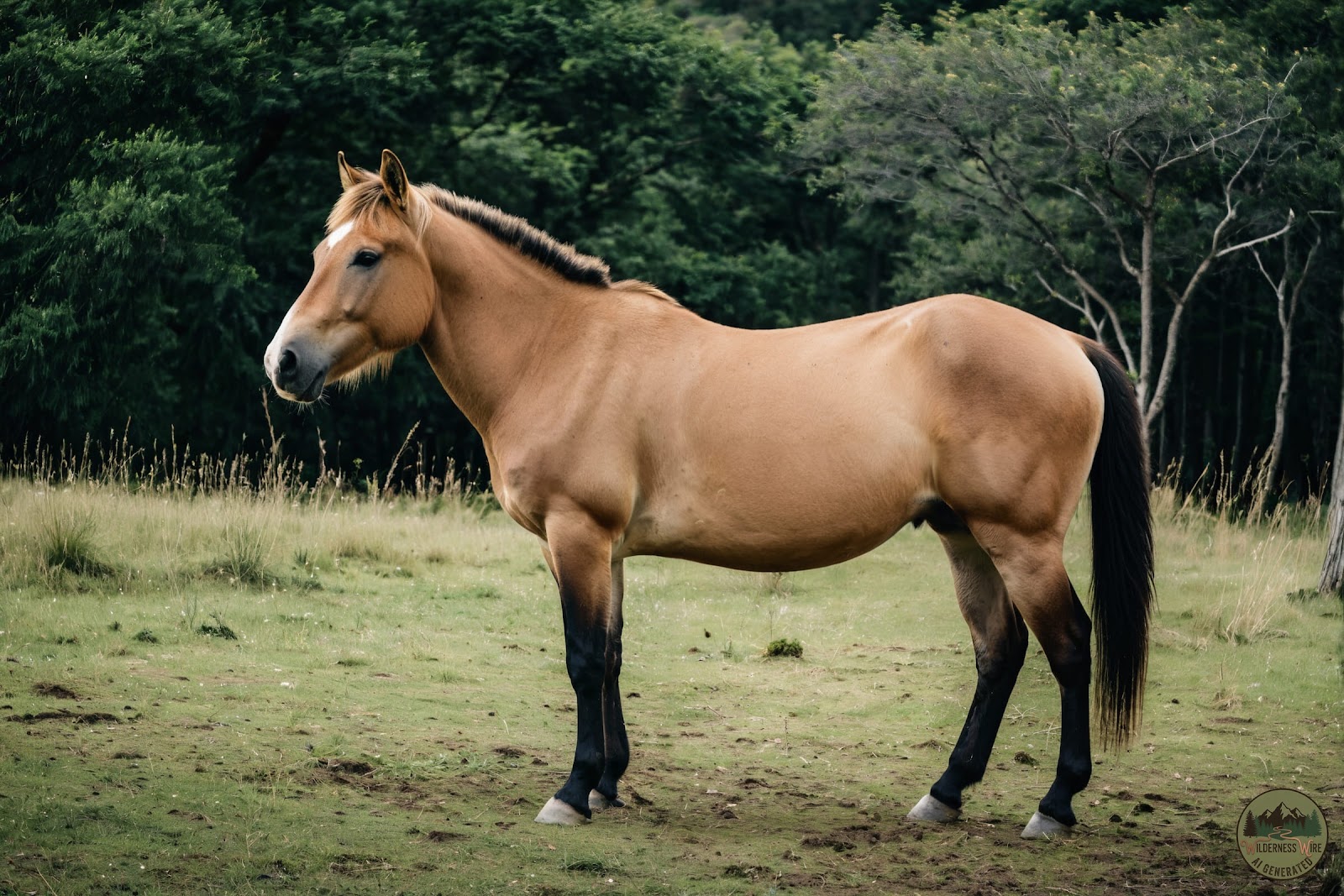
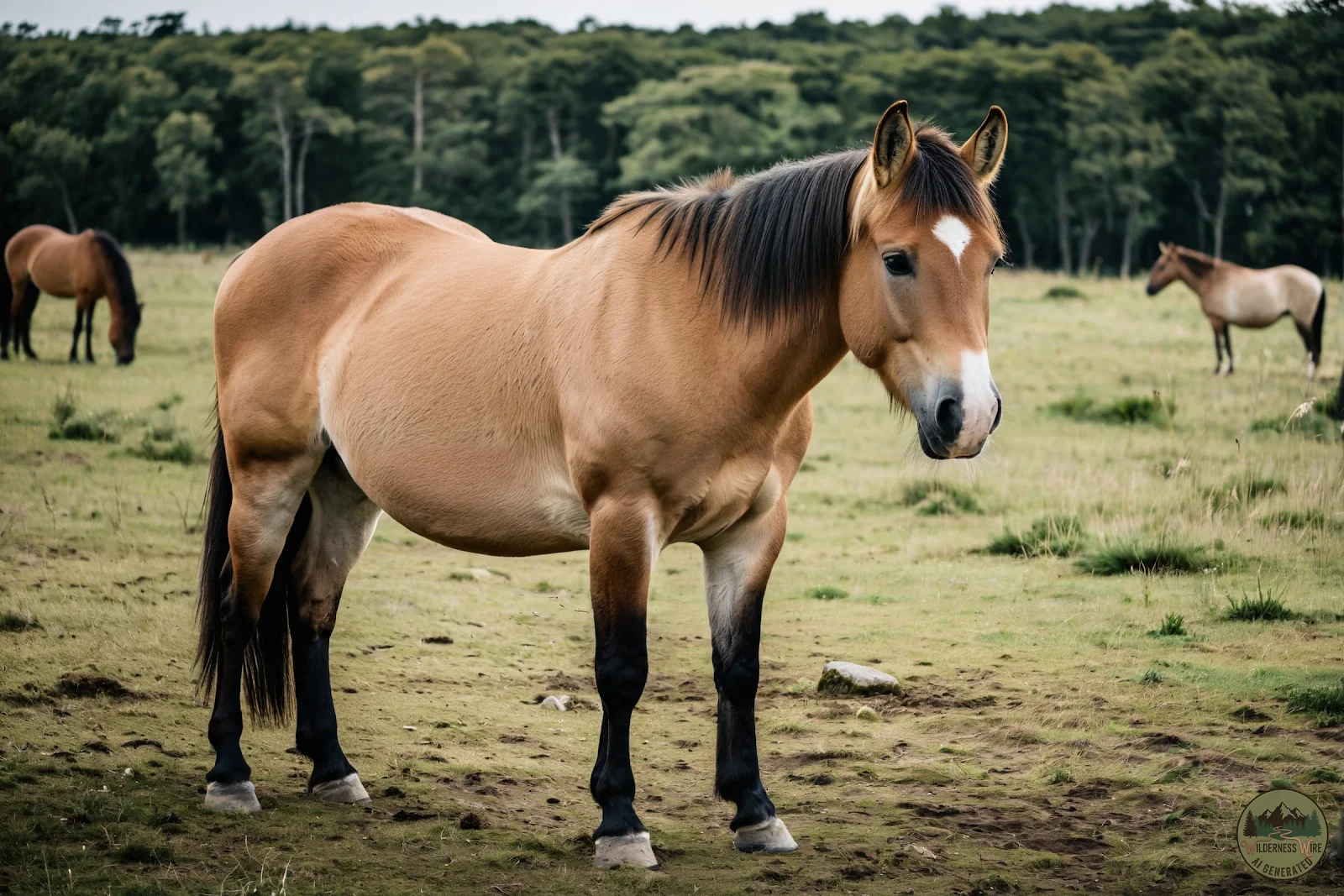
Distinguished from their domesticated cousins, these horses possess a unique set of physical characteristics that reflect their ancient lineage and adaptation to harsh environments. They are typically stockier and more robustly built than domestic horses, with a proportionally larger head and a shorter neck. Their most striking feature is their distinctive coat color, a dun or "bay dun" that ranges from yellowish-brown to reddish-brown, often with a paler belly. A prominent dark stripe, known as a dorsal stripe, runs along their spine, a primitive marking common in wild equids.
Their mane is short, stiff, and stands upright, lacking the long, flowing locks of most domestic breeds. Similarly, their tail is short at the base, becoming bushy only towards the end. Their legs are often dark, sometimes displaying faint "zebra stripes" or barring on the upper legs, another primitive trait. These physical traits are not merely aesthetic; they are adaptations forged over millennia, allowing them to blend into their grassland habitats and withstand the extreme temperatures of Central Asia's vast plains. Their hardy hooves are also notably tough, evolved for traversing diverse and often challenging terrain without human intervention.
Life in the Wild: Behavior and Social Structure
The social structure of these wild horses is highly organized and crucial for their survival. They live in small, stable family groups known as harems, typically consisting of a dominant stallion, several mares, and their foals. The lead mare, often the oldest and most experienced, guides the harem to water sources and grazing grounds, demonstrating a remarkable understanding of their territory. The stallion's role is primarily to defend his harem from other stallions and predators, ensuring the safety and genetic integrity of his offspring.
Bachelor herds, comprising younger stallions or those without a harem, also exist. These groups provide a training ground for future leaders, where stallions learn to compete and establish dominance. Communication within the herd involves a complex array of vocalizations, body language, and scent marking. Grazing is their primary activity, moving slowly across the steppes, consuming a variety of grasses and herbs. They are highly migratory, following seasonal availability of resources, a behavior that was once critical to maintaining the health of the grasslands they inhabited. Their robust social bonds and instinctual behaviors are key to their survival in a challenging environment.
From the Brink: The Conservation Saga
The story of these magnificent animals is a poignant narrative of near-extinction and remarkable recovery. By the early 20th century, their numbers had dwindled dramatically due to a combination of factors, including habitat loss, human hunting, and competition with livestock for grazing lands. The last wild sighting in their native Mongolian habitat occurred in 1969, leading to their classification as "extinct in the wild." This devastating news spurred an international effort to save the species, relying entirely on a small number of individuals that had been captured in the early 1900s and bred in zoos.
The captive breeding program, though fraught with challenges, proved to be a critical lifeline. Scientists and conservationists carefully managed the genetic diversity of the small founder population to prevent inbreeding and ensure the health of future generations. Through dedicated breeding efforts across zoos worldwide, the population slowly began to recover. By the late 20th century, the success of these programs opened the door for reintroduction into their ancestral lands.
A Return to the Steppes: Reintroduction Efforts
The late 1980s and early 1990s marked a pivotal moment, as the first groups of these horses were transported back to reserves in Mongolia and China. This was a monumental undertaking, requiring careful acclimatization of the zoo-bred animals to the harsh realities of the wild. Initial challenges included high foal mortality rates, struggles to find sufficient forage, and adaptation to natural predators like wolves.
However, over decades, these reintroduction projects have seen incredible success. In Mongolia, particularly in areas like Khustain Nuruu National Park and Takhin Tal, and in various reserves in China and Kazakhstan, self-sustaining wild populations are now thriving. These reintroduced herds have demonstrated a remarkable ability to adapt, showcasing the enduring power of their wild instincts. They have relearned foraging strategies, established natural social structures, and are now playing a vital role in restoring the ecological balance of the steppes. Their status has been upgraded from "Extinct in the Wild" to "Endangered" and more recently to "Critically Endangered" and then "Endangered" again, reflecting the ongoing, albeit fragile, progress.
Ecological Impact and Future Prospects
The return of these horses to their native grasslands is not merely about saving a species; it's about restoring an ecosystem. As large grazers, they play a crucial role in maintaining the health and biodiversity of the steppes. Their grazing patterns help to manage vegetation, preventing the dominance of certain plant species and creating a mosaic of habitats that benefit other wildlife. Their movements compact soil in some areas and aerate it in others, contributing to soil health. They are an integral part of the food web, influencing plant communities and providing a natural prey base for predators.
The future of these wild horses, while much brighter than a century ago, still requires ongoing commitment. Conservation efforts focus on expanding protected areas, managing human-wildlife conflict, genetic monitoring of reintroduced populations, and combating threats such as poaching, disease transmission from domestic animals, and climate change. Each foal born in the wild represents a victory, a step further away from the brink, and a renewed hope for the preservation of Earth's precious biodiversity. Their journey from near-extinction to a cautious but inspiring comeback serves as a powerful reminder of humanity's capacity to both harm and heal, and the enduring spirit of the wild.