Posts

Showing posts from August, 2026

The Rhinoceros: Ancient Marvels, Critical Threats, and Global Conservation Efforts
Image
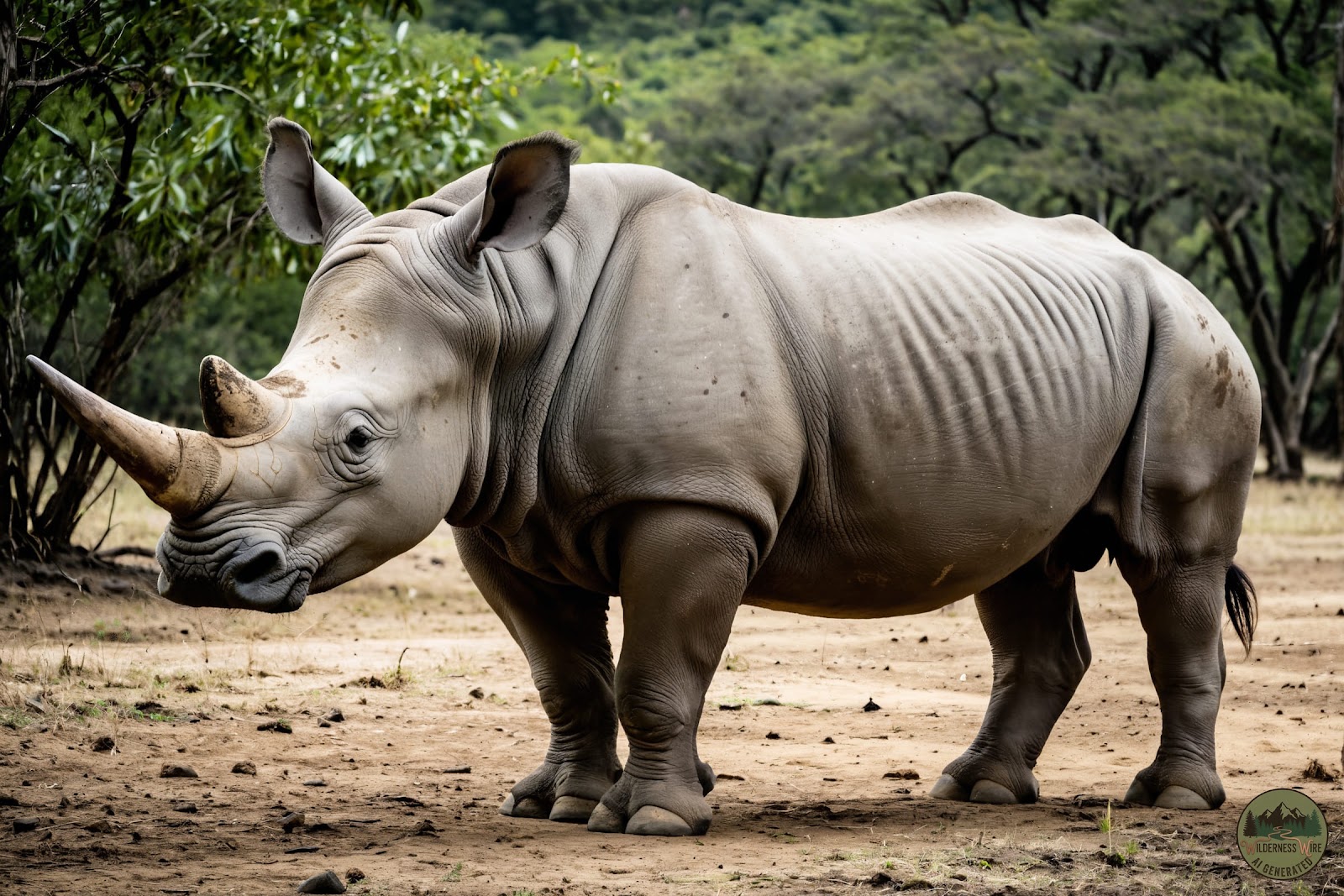
The rhinoceros stands as one of Earth's most ancient and magnificent megafauna, a living relic of a bygone era. With their formidable bulk, armor-like skin, and iconic horn, these creatures command respect and awe. There are five distinct species of rhinoceros, each with unique characteristics and inhabiting different corners of the globe: the Black Rhinoceros, White Rhinoceros, Indian Rhinoceros, Javan Rhinoceros, and Sumatran Rhinoceros. While all share a common ancestry and several general features, their individual adaptations reflect millennia of evolution in diverse environments, from the vast savannas of Africa to the dense tropical forests of Asia. The two African species, the Black and White rhinos, are perhaps the most recognized. Despite their names, both are grey; the "white" in White Rhinoceros is thought to be a corruption of the Afrikaans word "weit," meaning wide, referring to its broad, flat mouth adapted for grazing grasses. The White Rhino i...

Black Howler Monkeys Roar From Massive Ceiba Trees Within Yucatan Forests

Image
The Auditory Sentinel of the Mesoamerican Canopy As the first light of dawn pierces the dense humidity of the Yucatan Peninsula, a sound erupts that defines the primeval character of the North American tropics. It is not a screech or a whistle, but a deep, resonant guttural boom that carries for miles through the saturated air. This is the call of the Guatemalan black howler monkey ( Alouatta pigra ), one of the largest and most enigmatic primates native to the southern reaches of the North American continent. While often associated with the deep jungles of Central America, this species maintains its most robust strongholds in the Mexican states of Chiapas, Tabasco, and the Yucatan, where recent studies are uncovering the complex social and biological trade-offs required to survive on a diet of leaves. The Bioa...

Ancient Sharks Cruise Subzero Abyssal Trenches Beneath Shifting Arctic Ice

Image
Deep beneath the frozen expanse of the Arctic Circle, where surface temperatures plunge far below freezing and sunlight fails to penetrate for months on end, lies one of the most hostile marine environments on Earth. In these abyssal depths, where the water temperature hovers near a bone-chilling minus 1.8 degrees Celsius—just above the freezing point of saltwater—surviving is an exercise in extreme physiological adaptation. While most marine vertebrates would succumb to cellular damage and metabolic collapse in these conditions, the Greenland shark ( Somniosus microcephalus ) thrives. For centuries, this enigmatic giant has patrolled the deep trenches of the Arctic and North Atlantic, operating on a biological clock that moves at a fraction of the speed of almost any other living creature. The Chemistry of Arctic Survival To survive in temperatures that would freeze the blood of most fish, the Greenland shark has evol...

Pink Flamingos Wade Through Caustic Volcanic Lagoons of the Altiplano

Image
The Pink Specter of the Arsenic Lakes High in the Andean Altiplano, where the borders of Chile, Bolivia, and Argentina converge, lies a landscape that seems more Martian than terrestrial. At elevations exceeding 4,000 meters, the air is thin, the ultraviolet radiation is searing, and the landscape is dominated by salars —massive salt flats punctuated by lagoons of hyper-saline, caustic water. In these environments, where most life would perish within minutes due to the extreme alkalinity and high concentrations of naturally occurring arsenic, thrives one of nature’s most specialized extremophiles: the Andean Flamingo ( Phoenicoparrus andinus ). Recent biological surveys and genomic studies have begun to unravel how this striking avian species survives, and indeed flourishes, in a world defined by chemical toxicity and thermal extremes. ...

Spiked Dragons Cling to Mossy Trunks in Queensland Rainforests

Image
In the ancient, rain-saturated corridors of Australia’s Wet Tropics, a living relic of Gondwana carries out one of the most remarkably quiet lives in the animal kingdom. The Boyd's forest dragon ( Lophosaurus boydii ) is an evolutionary masterpiece of crypsis and metabolic restraint. Endemic to the dense tropical rainforests of northern Queensland, this spectacular agamid lizard has long fascinated herpetologists with its prehistoric silhouette, dominated by a prominent vertebral crest and exaggerated cheek scales. However, recent behavioral studies and micro-climate tracking over the past year have illuminated a far more profound secret: the Boyd’s forest dragon is a biological nonconformist, challenging traditional assumptions about reptile thermal ecology in an increasingly warming world. The Physiology of Perfect Silence To encounter a Boyd's...

The Roe Deer: Europe's Elusive and Resilient Woodland Marvel

Image
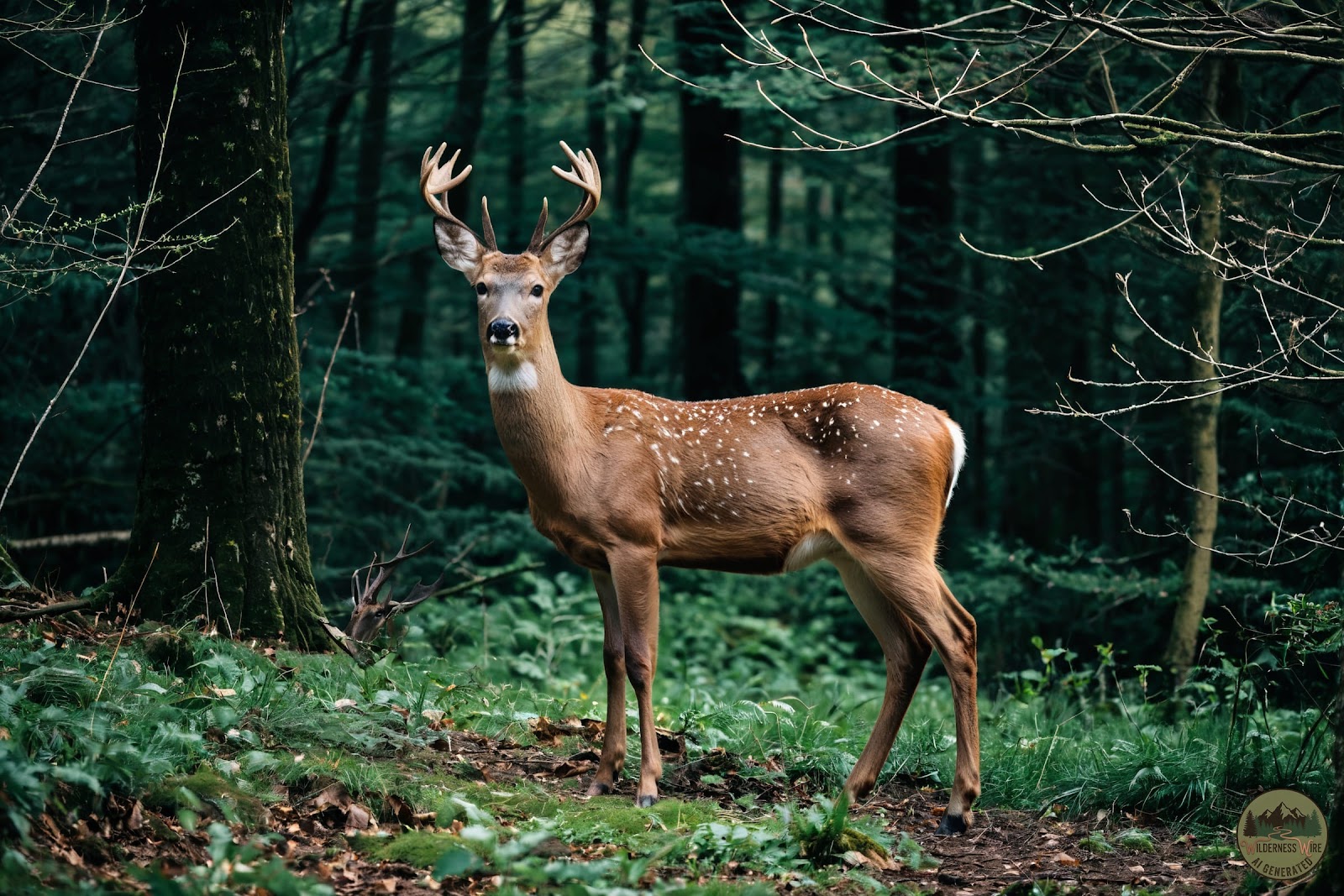
The roe deer, a creature of unassuming elegance, is a familiar, yet often elusive, presence across the diverse landscapes of Europe and parts of Asia. Known scientifically as Capreolus capreolus , this relatively small cervid species embodies adaptability and resilience, thriving in environments ranging from dense woodlands and ancient forests to agricultural plains and suburban fringes. Its agility and secretive nature allow it to navigate human-modified landscapes with surprising success, often glimpsed at dawn or dusk as it ventures from cover. Distinguished by its compact build and graceful movements, the roe deer typically stands between 60 to 75 centimeters at the shoulder and weighs a modest 15 to 30 kilograms. Its coat undergoes a striking seasonal transformation: a vibrant reddish-brown in the warmer months, providing excellent camouflage amidst summer foliage, which then molts into a duller, thicker greyish-brown during winter, offering both warmth and disguise against the...

The Roe Deer: Elusive Woodland Dweller with Unique Biological Wonders

Image
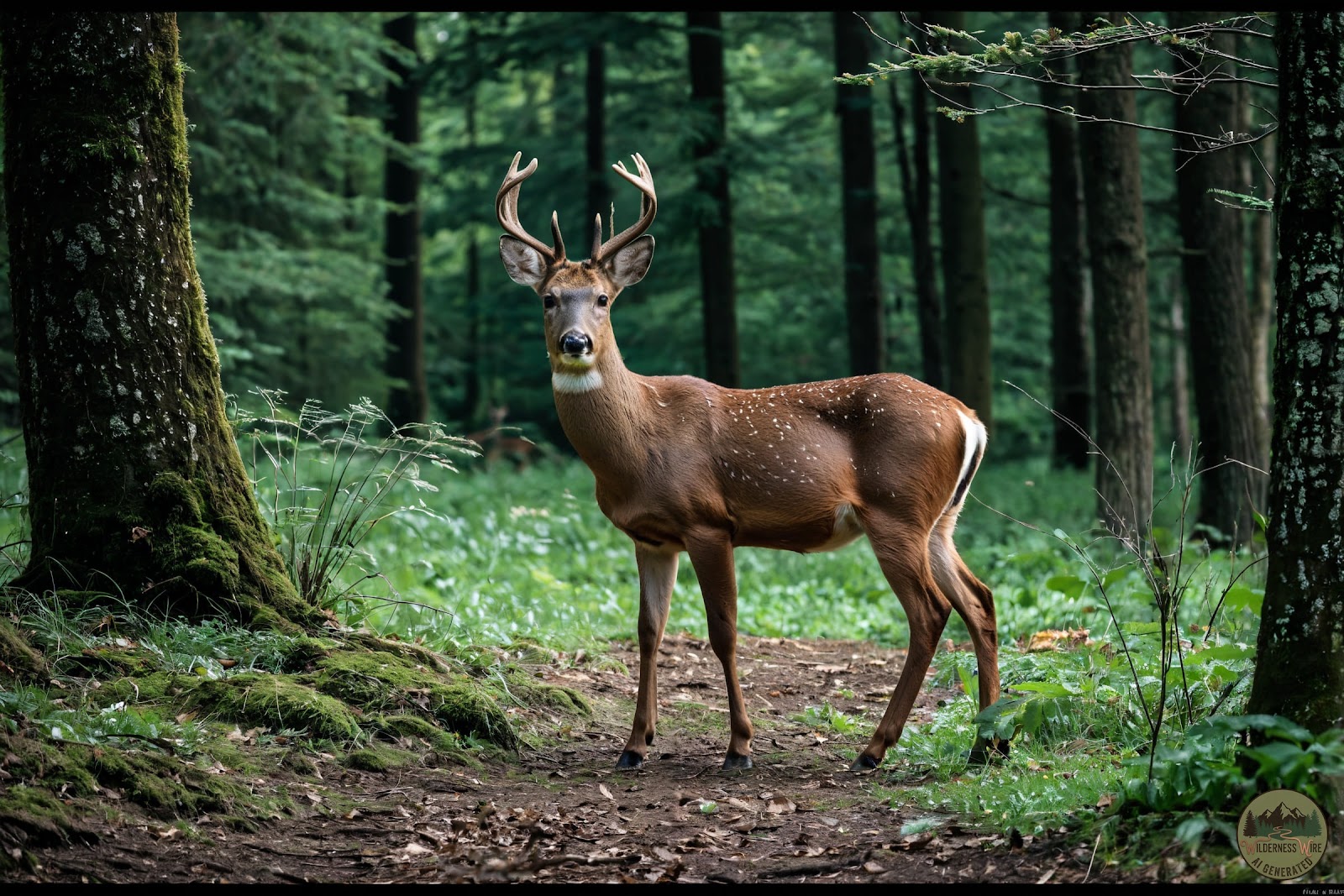
The graceful and often elusive creature depicted, commonly known as the Roe Deer, is a cornerstone of many European and Asian woodlands. Despite its widespread presence, its delicate form and cautious nature allow it to blend seamlessly into its environment, making close observation a rewarding, yet challenging, experience for naturalists. These elegant cervids are the smallest native deer species across much of their extensive range, characterized by their compact build, distinctive markings, and a unique life cycle that sets them apart from many of their larger relatives. Physically, these deer are immediately recognizable by their slender bodies and relatively short, stocky legs. Their coat color undergoes a significant transformation with the seasons: a striking reddish-brown hue dominates during the warmer months, providing excellent camouflage amidst the summer foliage. As autumn progresses, this vibrant coat gradually gives way to a duller, greyish-brown, sometimes even blacki...

Small Grey Birds Seek Shelter Inside Deep Frozen Marmot Burrows

Image
In the thin, oxygen-depleted air of the Tibetan Plateau and the surrounding Himalayan massifs, survival is a game of fine margins. At altitudes exceeding 4,000 meters, the landscape is a mosaic of permafrost, jagged scree, and windswept alpine meadows. Here, the Tibetan Snowfinch ( Montifringilla adamsi ) has evolved a survival strategy that relies less on physical hardiness and more on a sophisticated symbiotic relationship with the region’s largest rodent, the Himalayan Marmot. This commensal bond—where one species benefits while the other remains largely unaffected—has become the focus of recent ornithological studies, revealing how these small birds use subterranean architecture to conquer one of the most hostile environments on Earth. The Thermal Architecture of Survival Recent research conducted over the past year has utilized hig...

Emperor Tamarins Guard Massive Fruit Clusters High Within Amazonian Canopies

Image
In the humid, sprawling lowlands of the southwestern Amazon Basin, where the borders of Peru, Brazil, and Bolivia blur beneath a sea of emerald foliage, a primate of singular appearance holds court. The Emperor Tamarin (Saguinus imperator), a member of the Callitrichidae family, has long captivated biologists not merely for its eccentric facial hair, but for its sophisticated social architecture and its role in the complex ecology of the rainforest canopy. Recent field observations in the Madre de Dios region of Peru have shed new light on how these squirrel-sized primates navigate the dangers of the mid-to-high canopy, revealing a level of interspecies cooperation and paternal devotion that challenges traditional understandings of primate behavior. Anatomy of an Imperial Specialist The most immediate and striking feature of the Emperor Tamarin is its expansive white m...

The Majestic Roan Antelope: Icon of Africa's Savannas

Image
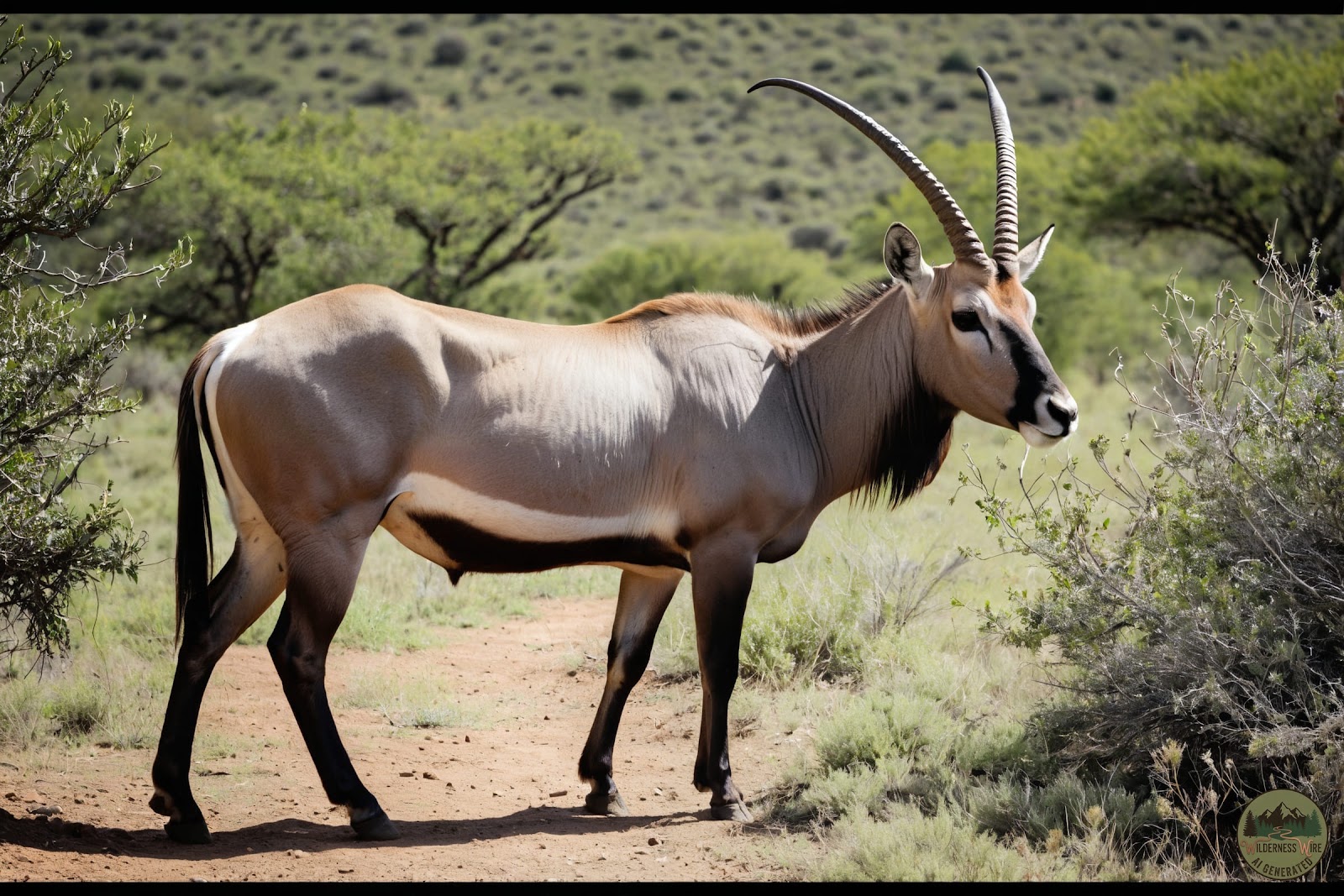
Roan Antelope_00002_ The roan antelope (Hippotragus equinus) stands as one of Africa's most magnificent and easily recognizable antelopes, a true emblem of the continent's diverse savanna ecosystems. Its imposing stature, striking coloration, and formidable horns grant it a regal presence, distinguishing it from its more numerous plains-dwelling relatives. Belonging to the *Hippotragus* genus, a name derived from Greek meaning "horse-goat," the roan shares its lineage with the equally impressive sable antelope, a testament to their shared adaptations for life in open woodlands and grasslands. Physically, the roan antelope is a marvel of evolution. Adults typically stand between 130 to 160 centimeters (51 to 63 inches) at the shoulder and can weigh anywhere from 230 to 320 kilograms (507 to 705 pounds), with males generally being larger and heavier than females. Its most defining characteristic, and the origin of its name, is its distinctive "roan" coat: a ...

Silent Stalkers Roam the High Himalayan Mountain Ridges

Image
High above the timberline, where the air thins and the temperature remains locked in a permanent, biting embrace, the Eurasian lynx (Lynx lynx) maintains a ghost-like presence. Long considered an inhabitant of the expansive boreal forests of Europe and Siberia, recent observational data suggests that populations of this elusive apex predator are successfully navigating the rugged, high-altitude terrain of the Himalayan range. Unlike their forest-dwelling kin, these mountain-hardened individuals have adapted to the sparse, rocky architecture of the alpine zone, utilizing their specialized anatomy to master one of the most unforgiving environments on the planet. The Eurasian lynx is an engineering marvel of evolutionary biology. Its defining feature—the oversized, tufted paws—functions much like a biological snowshoe,...

Dark Lava Gulls Scavenge Jagged Basalt Shores Along Island Coastlines

Image
The Enigmatic Scavenger of the Volcanic Arch In the stark, monochromatic world of the Galapagos’ basaltic coastlines, a shadow moves with deliberate, searching grace. The Galapagos Lava Gull ( Leucophaeus fuliginosus ) is not your typical seaside bird. While its cousins across the globe are often associated with white plumage and the clamorous theft of tourist snacks, this bird is a creature of stoic, soot-colored elegance. It is also one of the rarest gulls on Earth, with a total population estimated at fewer than 400 breeding pairs. Recent ecological surveys conducted over the past year have begun to shed new light on how this solitary scavenger maintains its tenuous foothold in one of the most volatile environments on the planet. Unlike the social, raucous colonies of Blue-footed Boobies or the vast nesting grounds of Waved Albatrosses, the Lava Gull is a loner. It patrols the interface between the ar...

Saddle-Billed Storks Patrol Shallow Channels Across Shifting African Wetlands

Image
In the vast, labyrinthine waterways of Sub-Saharan Africa, few avian figures command as much attention as the saddle-billed stork ( Ephippiorhynchus senegalensis ). Standing nearly five feet tall with a wingspan stretching over eight feet, this striking, silent giant has long been revered as an iconic symbol of the continent’s pristine wetlands. For decades, ornithologists classified these birds as highly territorial, sedentary residents that rarely strayed from their chosen floodplains. However, a pioneering multi-year tracking study utilizing advanced GPS telemetry has shattered this conventional wisdom. Researchers monitoring wild populations across the Okavango Delta and Zambezi basins have discovered that these majestic waders engage in dramatic, long-range nomadic movements, traversing hundreds of kilometers of arid scrubland to exploit ephemeral water sources. ...

The Elegant Roe Deer: Adaptability and Nature's Reproductive Marvel

Image
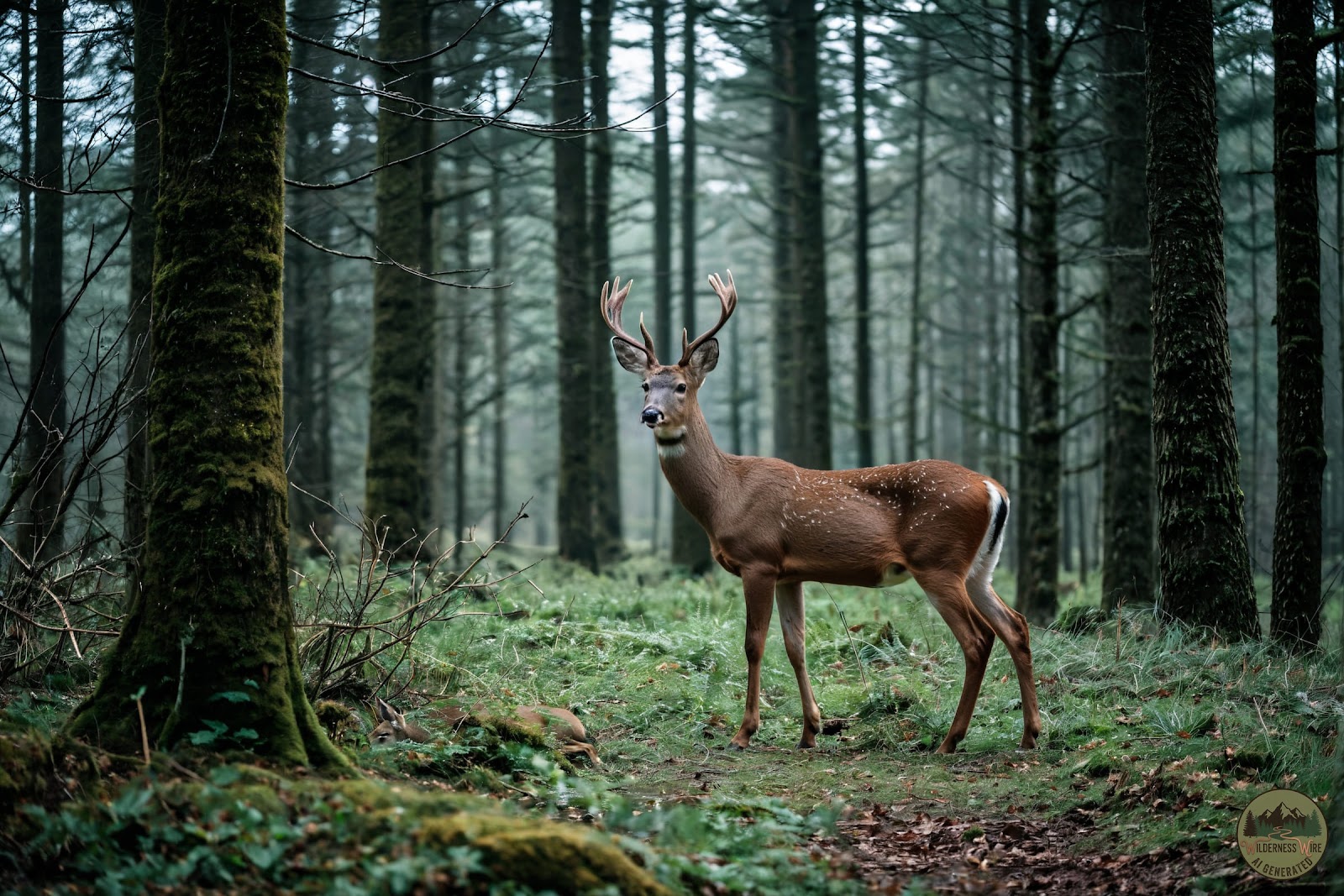
The Roe Deer, a quintessential inhabitant of European and Asian woodlands, presents an elegant and understated beauty that belies its remarkable adaptability and complex biological strategies. Often observed at the edges of forests, in clearings, or venturing into agricultural fields during twilight hours, this relatively small deer species holds a significant ecological niche and offers fascinating insights into mammalian survival. Its scientific classification, *Capreolus capreolus* for the European Roe Deer and *Capreolus pygargus* for the Siberian Roe Deer, hints at the subtle distinctions within the species, though both share many fundamental characteristics. Physically, the Roe Deer is a slender and graceful animal, typically standing between 65 to 75 centimeters at the shoulder and weighing between 15 to 30 kilograms. Its coat undergoes a striking seasonal transformation; in summer, it adopts a vibrant reddish-brown hue, often with a slightly darker head and neck, providing ex...

The Extraordinary Saiga: Evolution, Crisis, and Conservation in Central Asia

Image
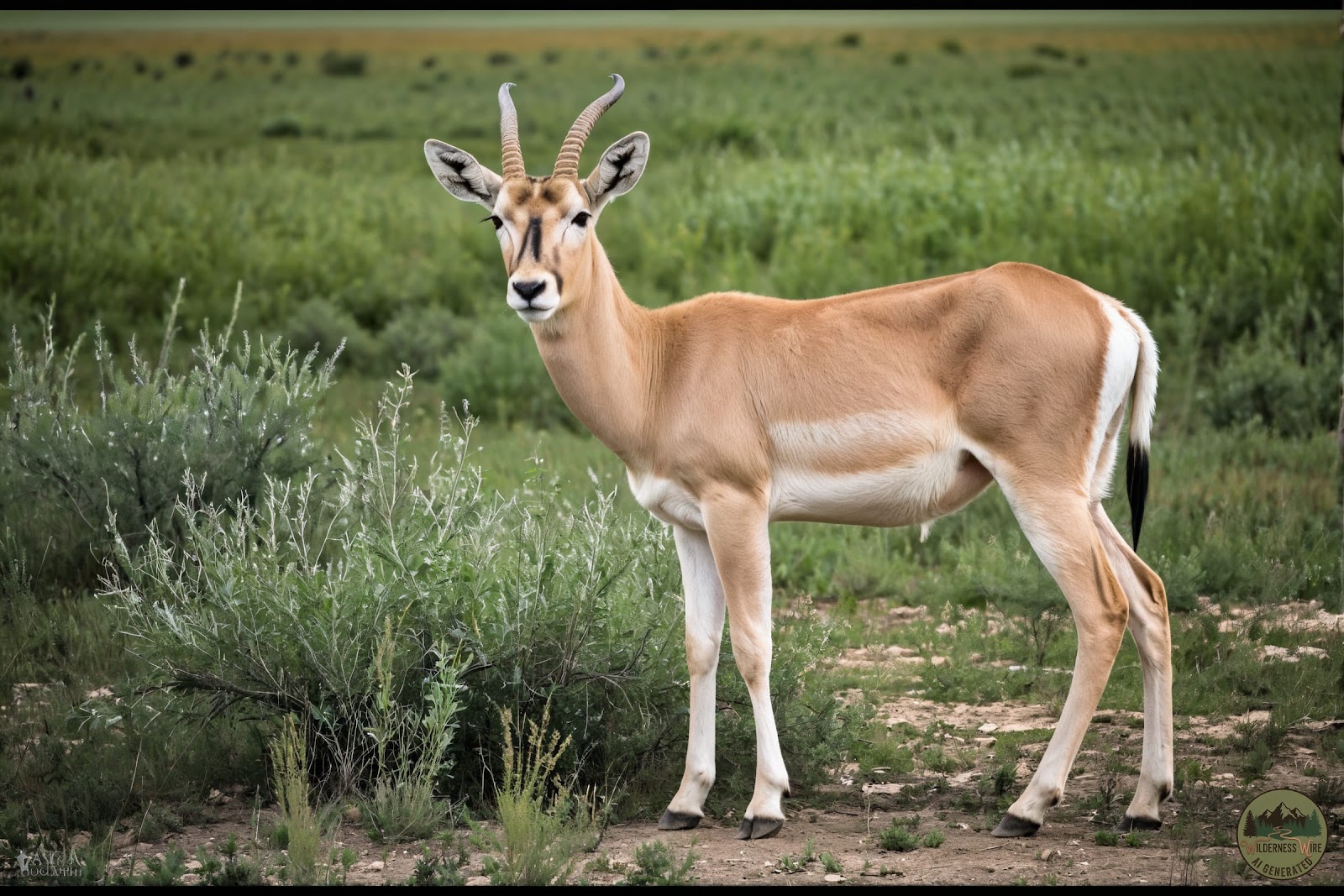
The vast, arid steppes and semi-deserts of Central Asia are home to a truly extraordinary creature, an antelope whose appearance often elicits a double-take: the saiga. Instantly recognizable by its remarkably distinctive, oversized, and flexible proboscis-like nose, this mammal stands as a testament to evolution's creative power. Far from being a mere aesthetic curiosity, this unique nasal structure is a sophisticated adaptation, key to its survival in some of the planet's most extreme environments. The saiga's most striking feature, its bulbous, pendulous nose, is more than just a large snout; it is a complex respiratory organ. During the scorching summers, the nose acts as a filter, cooling the air before it reaches the lungs and trapping dust particles that would otherwise irritate the respiratory system as the animals move across dusty terrain. Conversely, in the biting cold of winter, this specialized structure warms the inhaled air, protecting the delicate lung tis...

 This website utilizes artificial intelligence (AI) systems to generate, draft, and edit content. All text, images, and media on this site should be considered AI-generated or AI-assisted unless explicitly stated otherwise.