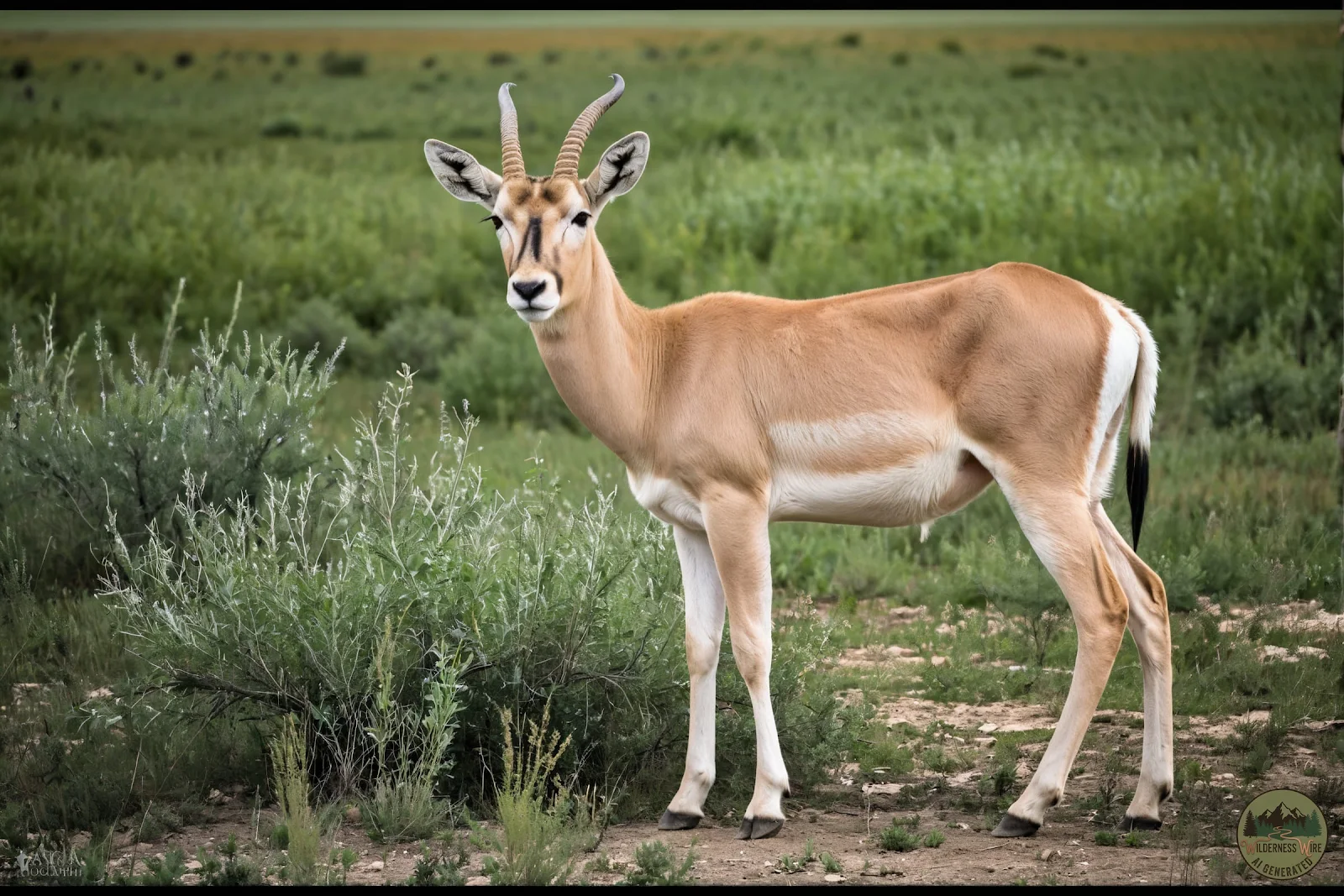
The vast, arid steppes and semi-deserts of Central Asia are home to a truly extraordinary creature, an antelope whose appearance often elicits a double-take: the saiga. Instantly recognizable by its remarkably distinctive, oversized, and flexible proboscis-like nose, this mammal stands as a testament to evolution's creative power. Far from being a mere aesthetic curiosity, this unique nasal structure is a sophisticated adaptation, key to its survival in some of the planet's most extreme environments.
The saiga's most striking feature, its bulbous, pendulous nose, is more than just a large snout; it is a complex respiratory organ. During the scorching summers, the nose acts as a filter, cooling the air before it reaches the lungs and trapping dust particles that would otherwise irritate the respiratory system as the animals move across dusty terrain. Conversely, in the biting cold of winter, this specialized structure warms the inhaled air, protecting the delicate lung tissues from freezing temperatures. The inner structure of the nose is lined with glands that secrete mucus, further aiding in air filtration and humidification, making it a highly efficient climate control system for respiration. This adaptation allows the saiga to thrive where other species would struggle, enabling long-distance migrations and sustained foraging in challenging conditions.
Historically, saigas roamed across a vast expanse, from the foothills of the Carpathian Mountains in Ukraine and Russia, through Kazakhstan, Mongolia, and into parts of China. Their preferred habitat comprises dry steppes, semi-deserts, and grasslands, characterized by sparse vegetation and often extreme temperature fluctuations between seasons. These open landscapes provide the perfect environment for their nomadic lifestyle, allowing them to traverse great distances in search of food and water. However, human encroachment and habitat fragmentation have drastically reduced their range, confining the remaining populations to much smaller, isolated pockets primarily within Kazakhstan, Mongolia, and the Russian Federation (Kalmykia).
As a highly specialized herbivore, the saiga's diet consists primarily of grasses, various herbs, and lichens, including species that are unpalatable or toxic to other herbivores. This allows them to utilize a broad range of available vegetation, crucial for survival in environments where food sources can be scarce. Their ability to digest tough plant matter and extract moisture from vegetation reduces their reliance on standing water, though they will readily drink when available. Their migratory behavior is another critical adaptation. They undertake extensive seasonal movements, covering hundreds of kilometers to find fresh pastures and avoid harsh weather conditions, a strategy vital for sustaining large herds in their dynamic habitat.
Saigas are gregarious animals, living in large herds that can number in the tens of thousands, particularly during migrations. This herd behavior offers protection against predators like wolves, as sheer numbers make it difficult for a predator to single out an individual. The breeding season, or rut, typically occurs in late autumn, marked by intense competition among males. Dominant males establish harems, fiercely defending them from rivals. Gestation lasts approximately five months, with most calves born in late spring (April-May). Saiga females often give birth to twins, a relatively high reproductive rate for an antelope, which historically allowed their populations to rebound quickly after environmental challenges. The young are precocial, able to stand and follow their mothers within hours of birth, a necessity for survival in a predator-rich environment.
Despite their past abundance and adaptive prowess, saigas face a perilous future. They are currently listed as Critically Endangered by the IUCN, a stark reflection of dramatic population declines. The most devastating threat has historically been poaching, driven primarily by the demand for their horns in traditional Chinese medicine. Male saiga horns are highly valued, leading to targeted hunting that severely skews the sex ratio within herds, impacting reproductive success. Habitat loss and fragmentation due to agricultural expansion, infrastructure development, and human settlements further reduce the available space for their migrations and foraging. Climate change introduces new pressures, altering vegetation patterns and increasing the frequency of extreme weather events like severe droughts and exceptionally harsh winters (known as "dzud" in Central Asia), which can decimate populations.
Adding to their challenges, saigas have experienced catastrophic mass die-off events, particularly in Kazakhstan. The most recent and devastating occurred in 2015, when over 200,000 saigas – more than 60% of the global population at the time – perished within a few weeks. The cause was identified as a bacterial infection, *Pasteurella multocida*, which under normal circumstances is present in the saiga's system without causing harm. Scientists believe that unusual environmental factors, possibly linked to climate change (such as unusually high humidity and temperatures), triggered the normally benign bacteria to become hyper-virulent, leading to septicemia and rapid death. These events highlight the species' inherent vulnerability to disease, especially when compounded by other stressors.
Recognizing the dire situation, extensive conservation efforts are underway. International collaborations, national governments, and local communities are working tirelessly to secure the saiga's future. Anti-poaching patrols have been intensified, and public awareness campaigns aim to reduce the demand for saiga horn. Establishing and strengthening protected areas like the Stepnoi Reserve in Russia and the Altyn Dala Conservation Initiative in Kazakhstan are crucial for safeguarding their remaining habitats and migratory corridors. Research into saiga health, genetics, and ecology provides vital information for effective management strategies. Community engagement, involving local populations in conservation, is also key, as their livelihoods often intersect with saiga habitats.
Despite the immense challenges, there are encouraging signs. Thanks to concerted conservation efforts, some saiga populations, particularly in Kazakhstan, have shown remarkable signs of recovery in recent years, demonstrating the species' resilience when given a chance. These localized successes offer a glimmer of hope that with continued vigilance, robust protection, and adaptive management strategies, this unique and ancient antelope can once again thrive across its ancestral steppes. The saiga remains a poignant symbol of the delicate balance between nature and human impact, and its survival is a testament to the global commitment to preserving biodiversity.