 Roan Antelope_00002_
The roan antelope (Hippotragus equinus) stands as one of Africa's most magnificent and easily recognizable antelopes, a true emblem of the continent's diverse savanna ecosystems. Its imposing stature, striking coloration, and formidable horns grant it a regal presence, distinguishing it from its more numerous plains-dwelling relatives. Belonging to the *Hippotragus* genus, a name derived from Greek meaning "horse-goat," the roan shares its lineage with the equally impressive sable antelope, a testament to their shared adaptations for life in open woodlands and grasslands.
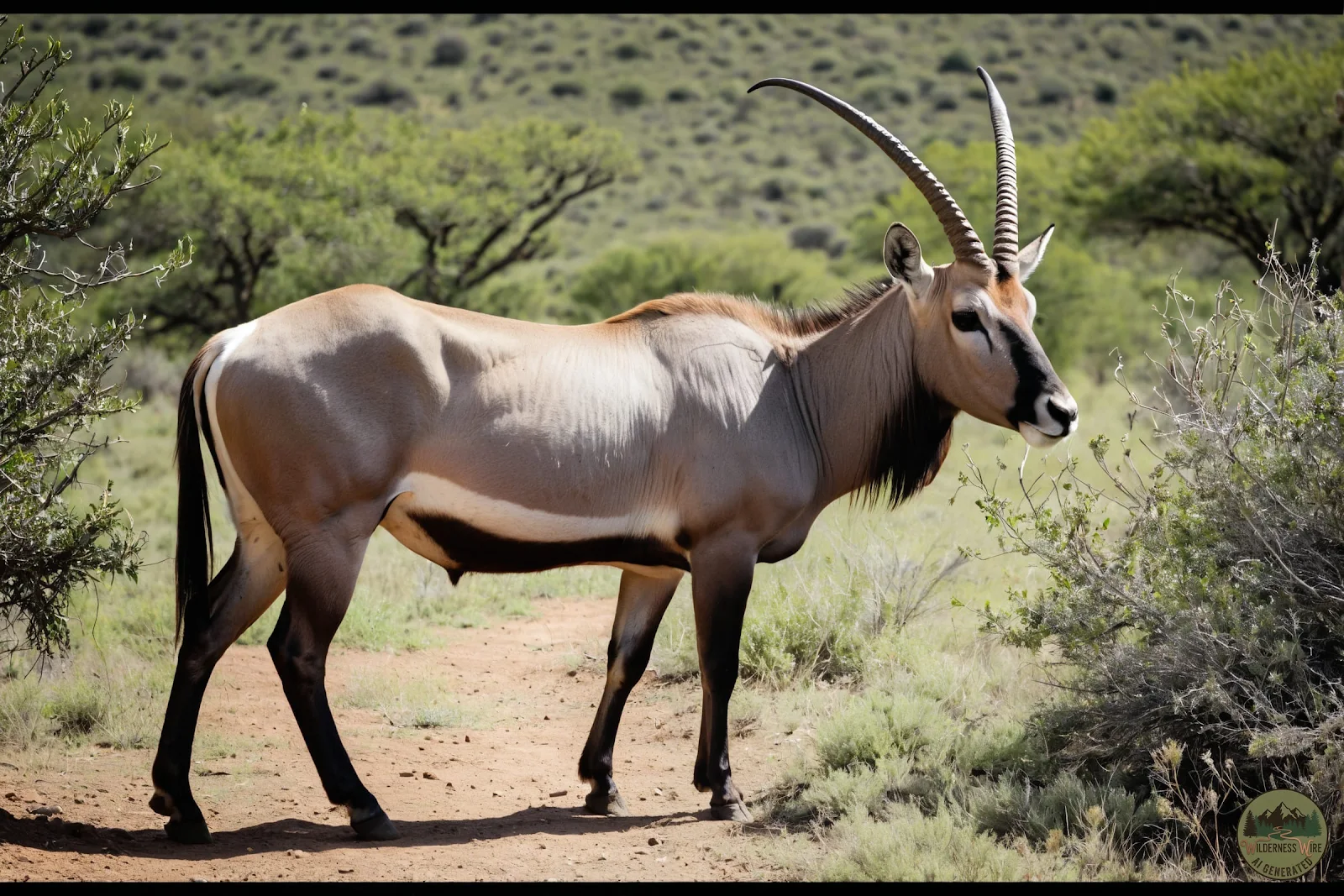
Physically, the roan antelope is a marvel of evolution. Adults typically stand between 130 to 160 centimeters (51 to 63 inches) at the shoulder and can weigh anywhere from 230 to 320 kilograms (507 to 705 pounds), with males generally being larger and heavier than females. Its most defining characteristic, and the origin of its name, is its distinctive "roan" coat: a grizzled reddish-brown or sandy-brown color, often appearing purplish-grey in certain light, created by a mix of dark and light hairs. The underparts are a lighter cream or white, contrasting sharply with the darker body. A thick, stiff mane runs from behind the ears to the shoulders, further enhancing its equine appearance. What truly sets its head apart is the striking black-and-white facial mask, reminiscent of a warrior's paint, with white patches above the eyes and around the muzzle, and a prominent black bridge down the nose. Large, pointed ears, tipped with tufts of reddish-brown hair, complete its alert and intelligent countenance. Both sexes bear impressive, scimitar-shaped horns that arch gracefully backward and then slightly forward. These horns are heavily ridged and can reach lengths of up to 100 centimeters (39 inches) in males, serving as both a formidable defense weapon and a display of dominance during territorial disputes.
Roan antelopes are primarily grazers, preferring medium-height grasses found in savanna woodlands, grasslands, and lightly forested areas. They are selective feeders, choosing the most nutritious grasses available, which often means they thrive in areas that have recently experienced fires or heavy grazing by other herbivores, as these conditions promote new, succulent growth. Unlike some other large antelopes, roans are quite dependent on water and are typically found within a few kilometers of a reliable water source. This water dependency influences their daily movements and seasonal distributions, as they must access water at least every few days, especially during drier periods. Their diet is supplemented by leaves and young shoots from shrubs and trees, particularly when preferred grasses are scarce.
Socially, roan antelopes exhibit a fascinating structure. They typically live in small herds ranging from 5 to 20 individuals, though larger aggregations can occur in areas of abundant resources. These herds usually consist of a dominant bull, several cows, and their offspring. Younger males often form bachelor groups or lead solitary lives until they are strong and mature enough to challenge for dominance and establish their own harems. The dominant bull is responsible for defending the herd's territory, which he marks with urine, feces, and by rubbing scent glands on vegetation. While not as overtly territorial as some other antelope species, roan bulls will engage in ritualized fights, dropping to their knees and clashing horns in a display of strength and resolve, often to settle disputes over breeding rights or herd leadership. These battles, though rarely fatal, can be intense and serve to maintain social order within and between groups.
Reproduction in roan antelopes follows a seasonal pattern in many parts of their range, often coinciding with the onset of rainy seasons when food is plentiful. After a gestation period of approximately 9 months, a single calf is born. The newborn calf is reddish-brown and is typically hidden in dense vegetation for the first few weeks of its life, relying on its camouflage and the mother's vigilance for protection from predators. The mother will visit the calf several times a day to nurse, but otherwise leaves it concealed. After this initial hiding phase, the calf joins the herd and benefits from the collective protection of the group. Weaning usually occurs around 6-8 months, but calves may remain with their mothers for much longer, often until they are yearlings or even older. Sexual maturity is reached at around 2-3 years of age, though males may not successfully breed until they are older and have established dominance.
Despite their formidable appearance and impressive horns, roan antelopes are not immune to predation. Lions, spotted hyenas, and African wild dogs are their primary natural predators. When confronted, roans are known for their courage and willingness to stand their ground, especially a dominant bull protecting his herd. They will lower their heads, present their sharp horns, and charge at threats, making them a dangerous prey animal for many predators. While they can run at considerable speed, their preferred defense is often confrontation rather than prolonged flight, particularly if their young are at risk. Alarm calls, a distinctive snort, alert other herd members to danger, allowing them to assess the threat and react accordingly.
The geographical distribution of the roan antelope spans a broad belt across sub-Saharan Africa, from the Sahel region in West Africa down to parts of Southern Africa. However, its populations are increasingly fragmented and localized due to a combination of factors. The International Union for Conservation of Nature (IUCN) currently lists the roan antelope as "Least Concern," but acknowledges that several subspecies are "Near Threatened" or face localized threats. The primary threats to roan populations include habitat loss and fragmentation, driven by agricultural expansion, human settlement, and deforestation, which diminish the suitable savanna and woodland environments they depend on. Poaching for meat and horns also poses a significant threat in many areas. Furthermore, competition with domestic livestock for grazing resources and water, as well as susceptibility to diseases transmitted by livestock, contribute to their decline.
Conservation efforts are crucial for the long-term survival of this majestic antelope. These efforts include the establishment and effective management of protected areas, such as national parks and wildlife reserves, which provide secure habitats for roan populations. Anti-poaching patrols, community engagement programs, and initiatives aimed at mitigating human-wildlife conflict are also vital. Research into their population dynamics, habitat requirements, and genetic health informs more effective conservation strategies. By safeguarding their unique savanna ecosystems and addressing the pressures they face, we can ensure that future generations will continue to marvel at the impressive and resilient roan antelope, a true icon of the African wilderness.