Posts

Showing posts from July, 2026

The Evolution and Specialized Biology of Tree-Kangaroos in the Tropical Canopy
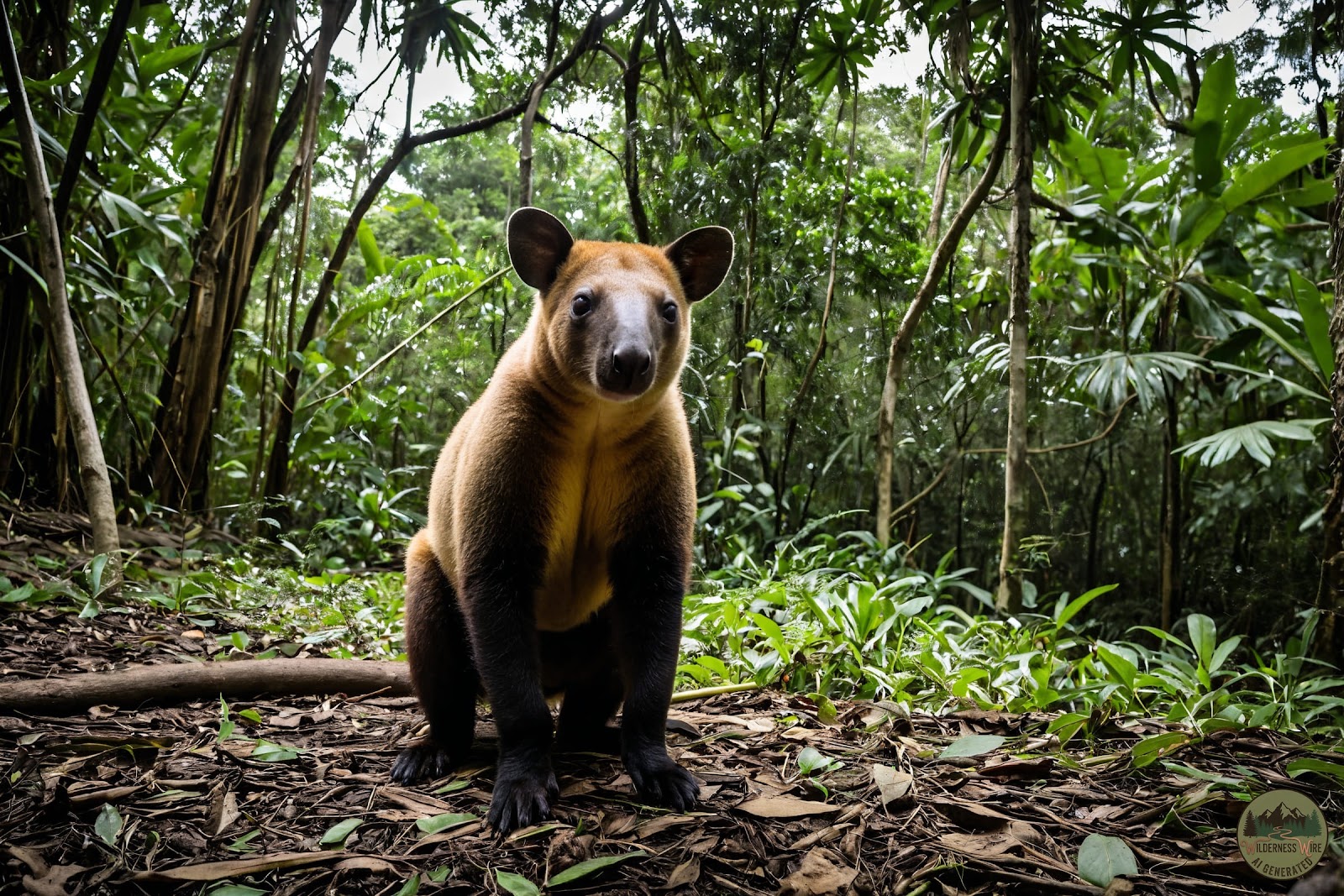
Image
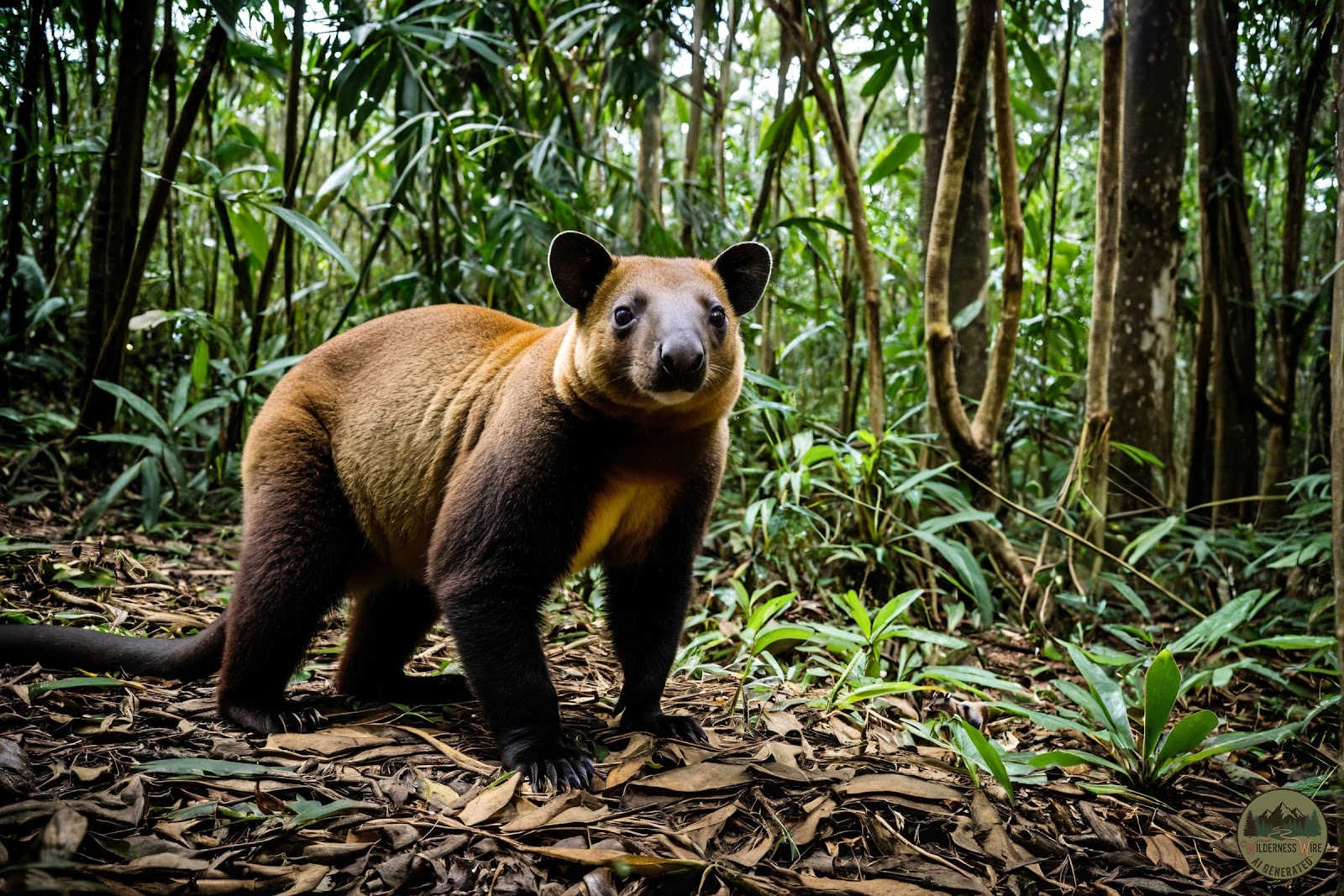
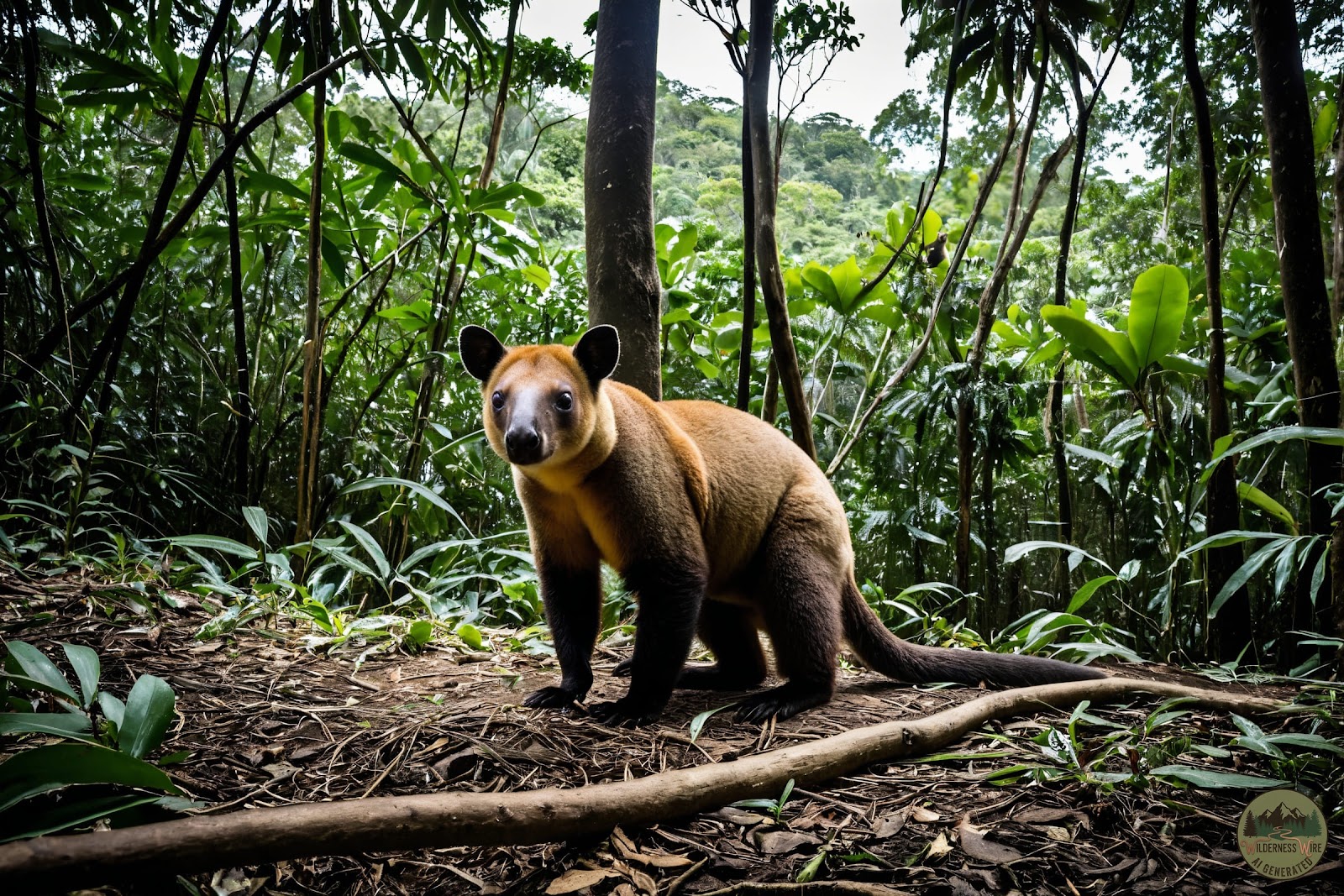
Tree-kangaroo_00002_ In the high-altitude cloud forests and dense tropical jungles of New Guinea and Northeastern Australia, an evolutionary marvel resides within the canopy. The tree-kangaroo, belonging to the genus Dendrolagus, represents one of nature’s most fascinating examples of biological adaptation. While their name immediately evokes the image of the iconic hopping marsupials of the Australian outback, these creatures have undergone a profound physical and behavioral transformation to master a vertical world. Their existence is a testament to the fluidity of evolution, as they are essentially "kangaroos that went back to the trees" after their ancestors had spent millions of years adapting to life on the ground. The transition from a terrestrial life back to an arboreal one required a complete overhaul of the standard macropod body plan. To the casual observer, the tree-kangaroo possesses a bear-like appearance, with thick fur and powerful limbs. Unlike their gro...
Ghosts of the Canopy: Understanding the Evolutionary History and Biology of the Tree-Kangaroo

Image
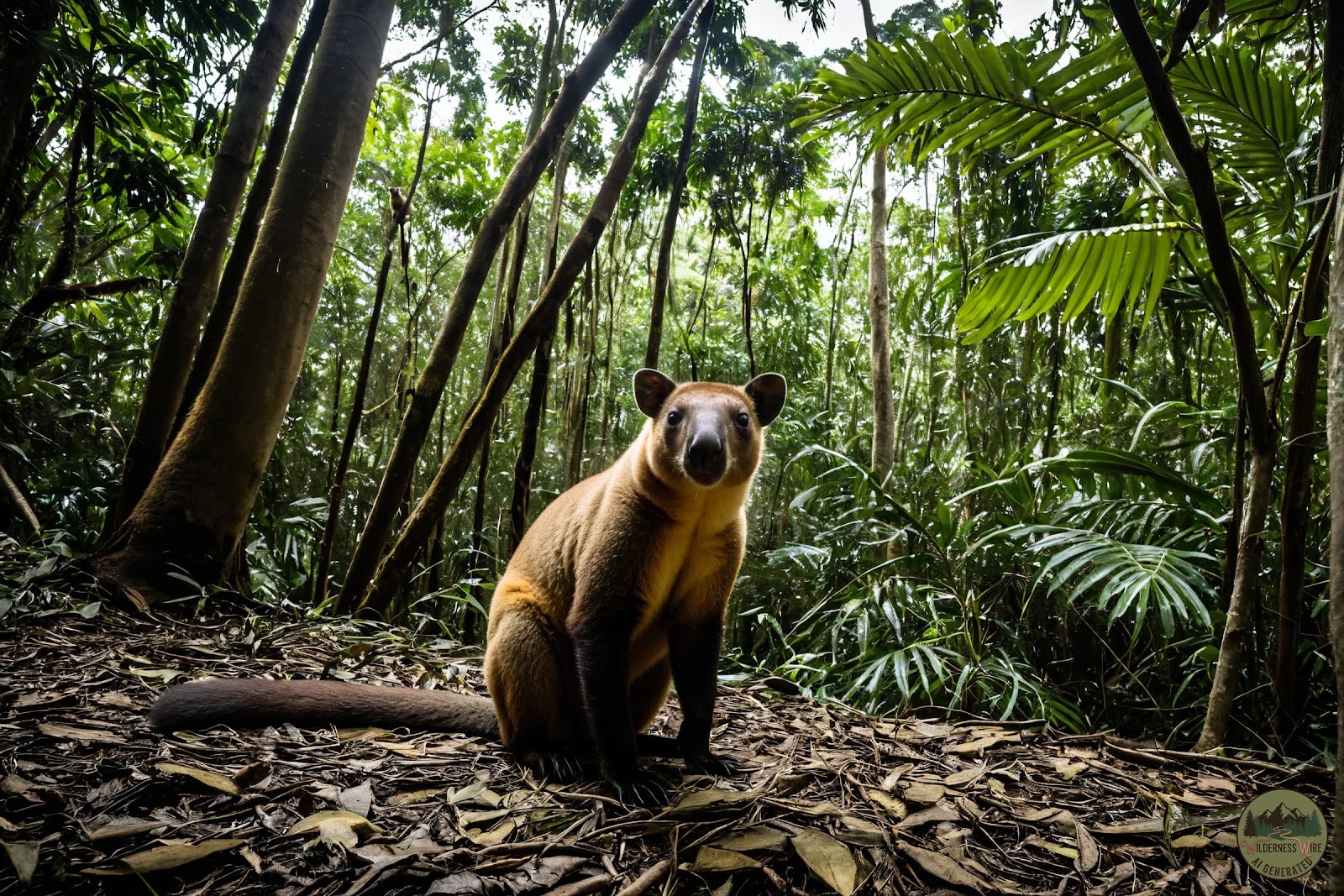
In the high-altitude cloud forests of New Guinea and the extreme northeastern reaches of Australia, a remarkable evolutionary pivot has produced one of the most enigmatic mammals on the planet. While the word kangaroo typically conjures images of powerful hind legs bound for the open outback, the genus Dendrolagus represents a radical departure from this terrestrial blueprint. These are the tree-kangaroos, macropods that have traded the vast plains for the vertical complexity of the rainforest canopy. Their existence is a testament to the versatility of the marsupial form, showcasing a secondary adaptation where a creature once evolved for life on the ground returned to the trees, mirroring the evolutionary path of ancestral primates but within a completely different lineage. The evolutionary history of the tree-kangaroo is a fascinating study in anatomical reversal. Millions of years ago, the ancestors of all modern kangaroos moved from the trees to the ground, developing the spec...

The Evolutionary Journey and Conservation of Rare Tree Kangaroos in the Tropical Rainforest

Image
In the high-altitude cloud forests of New Guinea and the tropical north of Australia, an evolutionary curiosity resides within the canopy. While the word "kangaroo" typically evokes images of vast, arid plains and powerful bounds across flat red earth, the tree-kangaroo represents a radical departure from this archetype. These elusive marsupials have executed what biologists often describe as an evolutionary U-turn, returning to the trees millions of years after their ancestors first descended to the ground. This transition has resulted in a creature that possesses the rugged charm of a bear combined with the unmistakable features of a macropod. The existence of tree-kangaroos is a testament to the versatility of the marsupial body plan. Belonging to the genus Dendrolagus, which translates literally to "tree hare," there are currently 14 recognized species. Most are endemic to the island of New Guinea, though two species—the Lumholtz's and Bennett's tree...

Exploring the Unique Evolutionary History and Ecological Importance of the Arboreal Tree-Kangaroo

Image
In the dense, mist-shrouded canopies of the tropical rainforests of New Guinea and the far northeastern reaches of Australia, exists an evolutionary marvel that defies the common perception of Australian megafauna. While most people associate the term "kangaroo" with the powerful, hopping denizens of the arid outback, the genus Dendrolagus represents a radical departure from this terrestrial norm. These are the tree-kangaroos, creatures that have performed a remarkable evolutionary U-turn, transitioning from ground-dwelling ancestors back to an arboreal lifestyle. This transition has resulted in a suite of physiological and behavioral adaptations that make them some of the most specialized and intriguing marsupials on the planet. The evolutionary history of the tree-kangaroo is a fascinating study in niche adaptation. Approximately seven to ten million years ago, the ancestors of all modern kangaroos descended from the trees to exploit the expanding grasslands of the Austra...

The Remarkable Adaptations and Ecological Importance of Arboreal Tree Frogs in the Global Canopy

Image
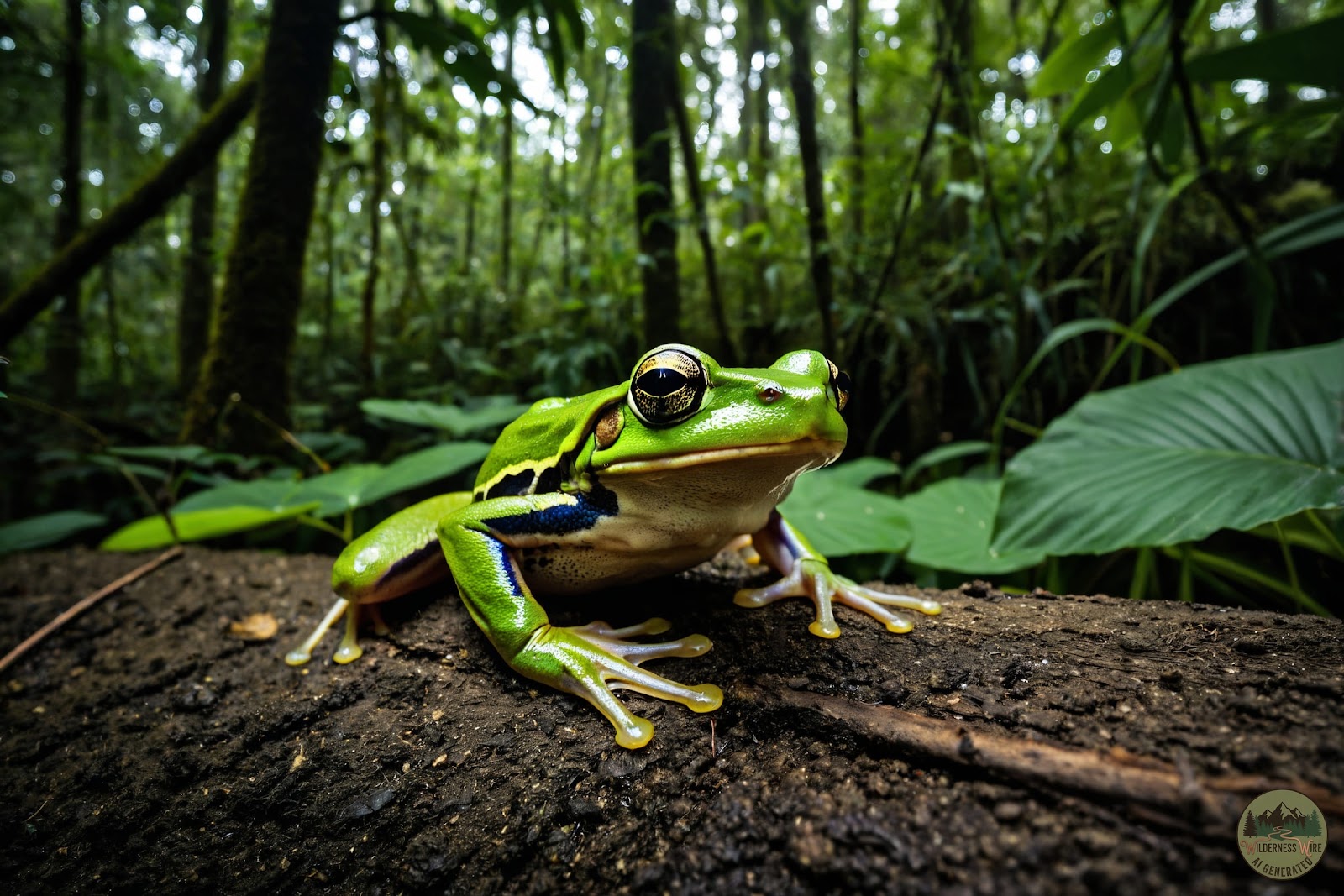
Arboreal amphibians represent a fascinating evolutionary branch of the Anura order, having specialized in a life lived far above the forest floor. These creatures, commonly known as tree frogs, are defined not by a single taxonomic group but by a shared set of physiological adaptations that allow them to navigate the vertical world of the canopy. While they belong to several different families—most notably Hylidae, Rhacophoridae, and Centrolenidae—they exhibit convergent evolution, where unrelated species develop similar traits to survive in comparable environments. Their presence in an ecosystem is often regarded by biologists as a primary indicator of environmental health, as their permeable skin makes them hyper-sensitive to changes in air and water quality. The most striking physical characteristic of these amphibians is their specialized toe pads. Unlike terrestrial frogs that rely on powerful hind legs for horizontal distance, tree frogs have evolved expanded, disc-like tips ...

The Golden Fleece of the Andes: The Biology and History of the Wild Vicuña

Image
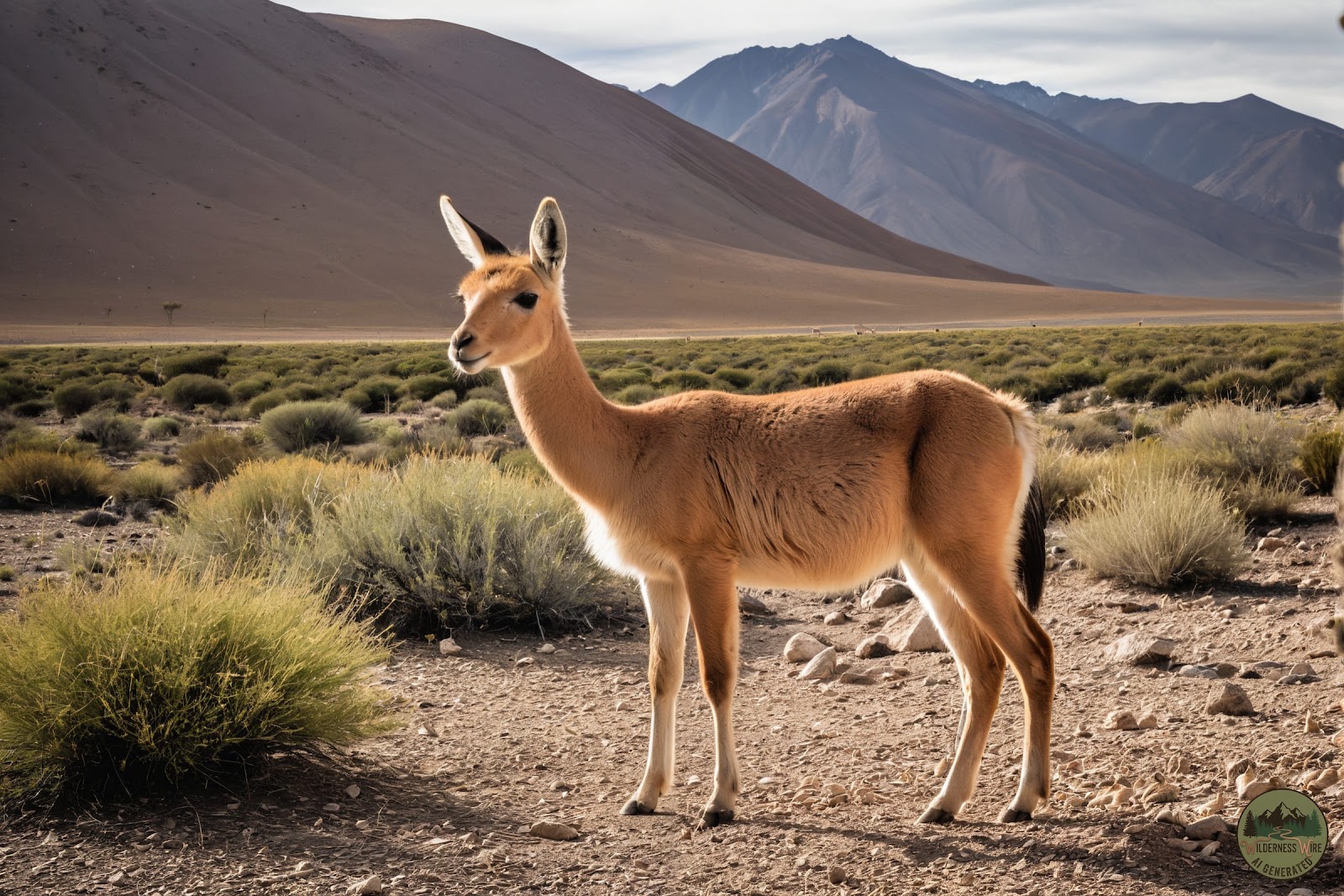
High within the arid, wind-swept plateaus of the central Andes, a creature of singular elegance traverses the Altiplano. The vicuña, a wild relative of the llama and the direct ancestor of the domesticated alpaca, represents one of nature’s most successful adaptations to extreme environments. Thriving at altitudes ranging from 3,200 to 4,800 meters, this slender camelid has become an enduring symbol of South American wilderness. Its presence is not merely a biological curiosity but a testament to the intricate relationship between evolutionary biology, ancient human culture, and modern conservation triumphs. The vicuña belongs to the family Camelidae, a group that includes the Old World camels and three other South American species: the guanaco, the llama, and the alpaca. Unlike the llama and alpaca, which were domesticated thousands of years ago for transport and bulk wool production, the vicuña has remained essentially wild. Physically, it is the smallest of the camelids, charact...

The Fanged Tufted Deer An Ancient and Elusive Species of the Asian Mountain Forests

Image
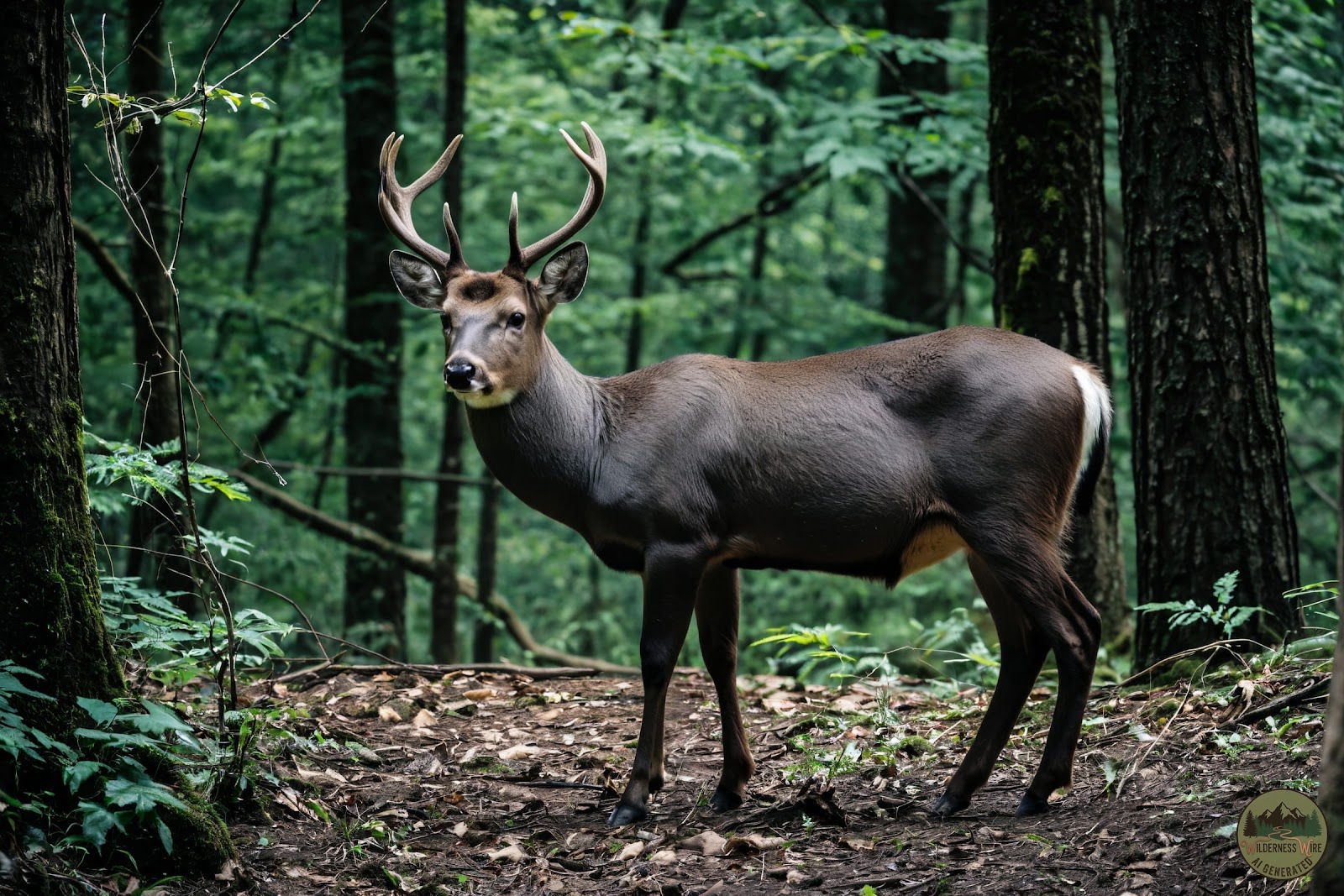
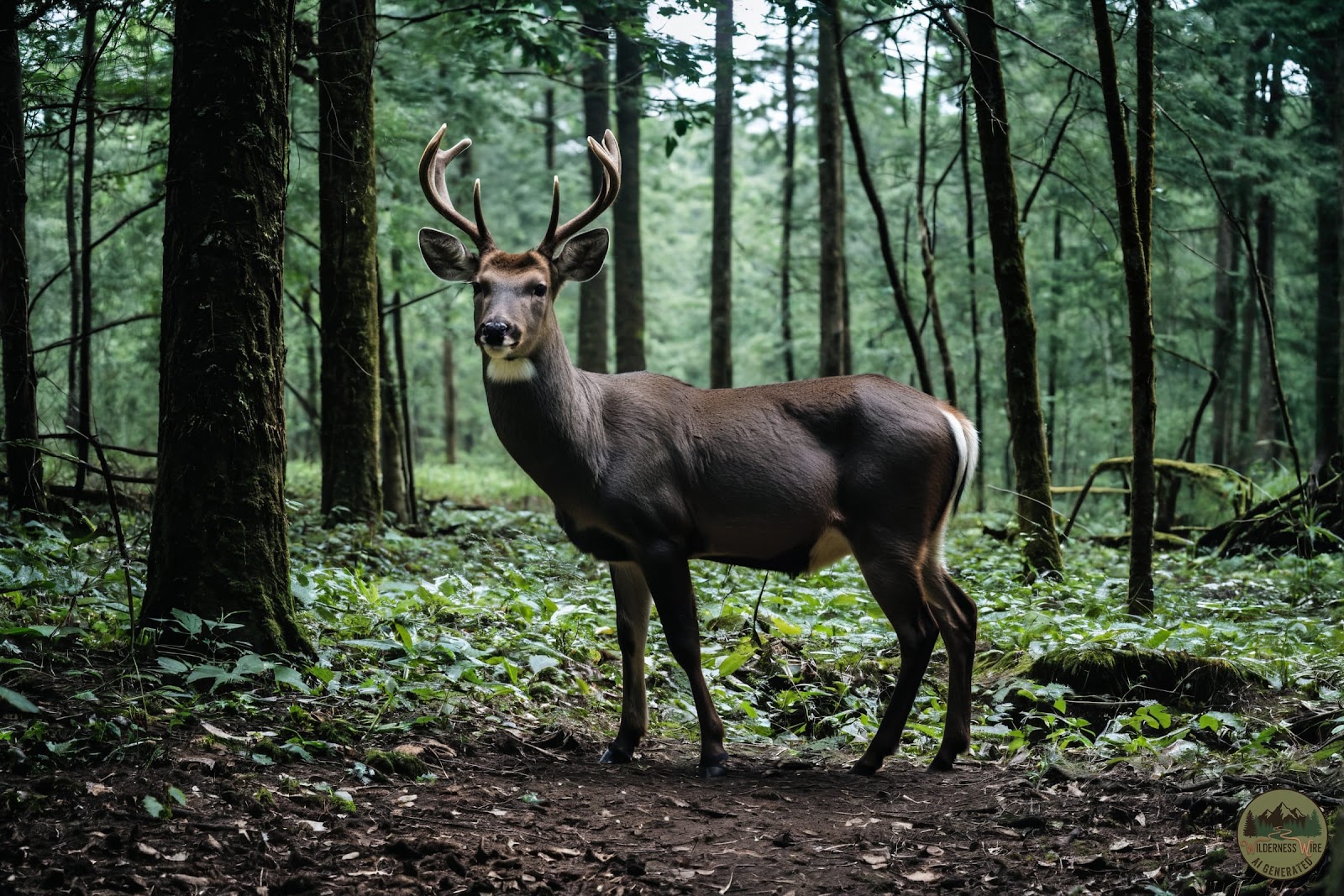
Deep within the mist-shrouded, high-altitude forests of central China and northeastern Myanmar dwells a creature that seems to belong to a lost era of mammalian evolution. The tufted deer ( Elaphodus cephalophus ) is a small, elusive member of the Cervidae family that challenges the conventional aesthetic of deer species. While most deer are celebrated for their sweeping, ornate antlers, the tufted deer is defined by a more archaic and striking set of features: a prominent crown of dark hair and elongated, saber-like canine teeth that lend it a distinctive, almost otherworldly appearance. Tufted Deer_00001_ Taxonomically, the tufted deer is the sole member of its genus, Elaphodus , and is closely related to the muntjacs. These two groups represent some of the most primitive lineages of deer still in existence today. Evolutionarily, they occupy a middle ground between the hornless musk deer and the "modern" cervids that rely primarily on large antlers for defense and sexua...

The Mysterious Tufted Deer: An Ancient Fanged Species Inhabiting the High Altitude Asian Wilderness

Image
The high-altitude forests of Central and Southern China, reaching into the northernmost corridors of Myanmar, harbor one of the most enigmatic and evolutionarily distinct members of the Cervidae family: the Tufted Deer (Elaphodus cephalophus). While most members of the deer family are recognized by their sweeping antlers or graceful stature, the Tufted Deer presents a morphology that feels like a vestige of a prehistoric era. It is a creature defined by paradoxes—possessing a gentle, shy disposition while bearing prominent, saber-like canine teeth that have earned it a somewhat sensationalized reputation in amateur natural history circles. Belonging to the subfamily Cervinae and closely related to the muntjacs, the Tufted Deer is the only member of its genus, Elaphodus. Its physical appearance is striking, characterized by a coat of coarse, almost chocolate-brown or charcoal hair that provides exceptional camouflage against the damp, shaded floors of montane forests. The animal’s n...

The Remarkable Survival and Cultural Legacy of the Sacred High Altitude Andean Vicuña

Image
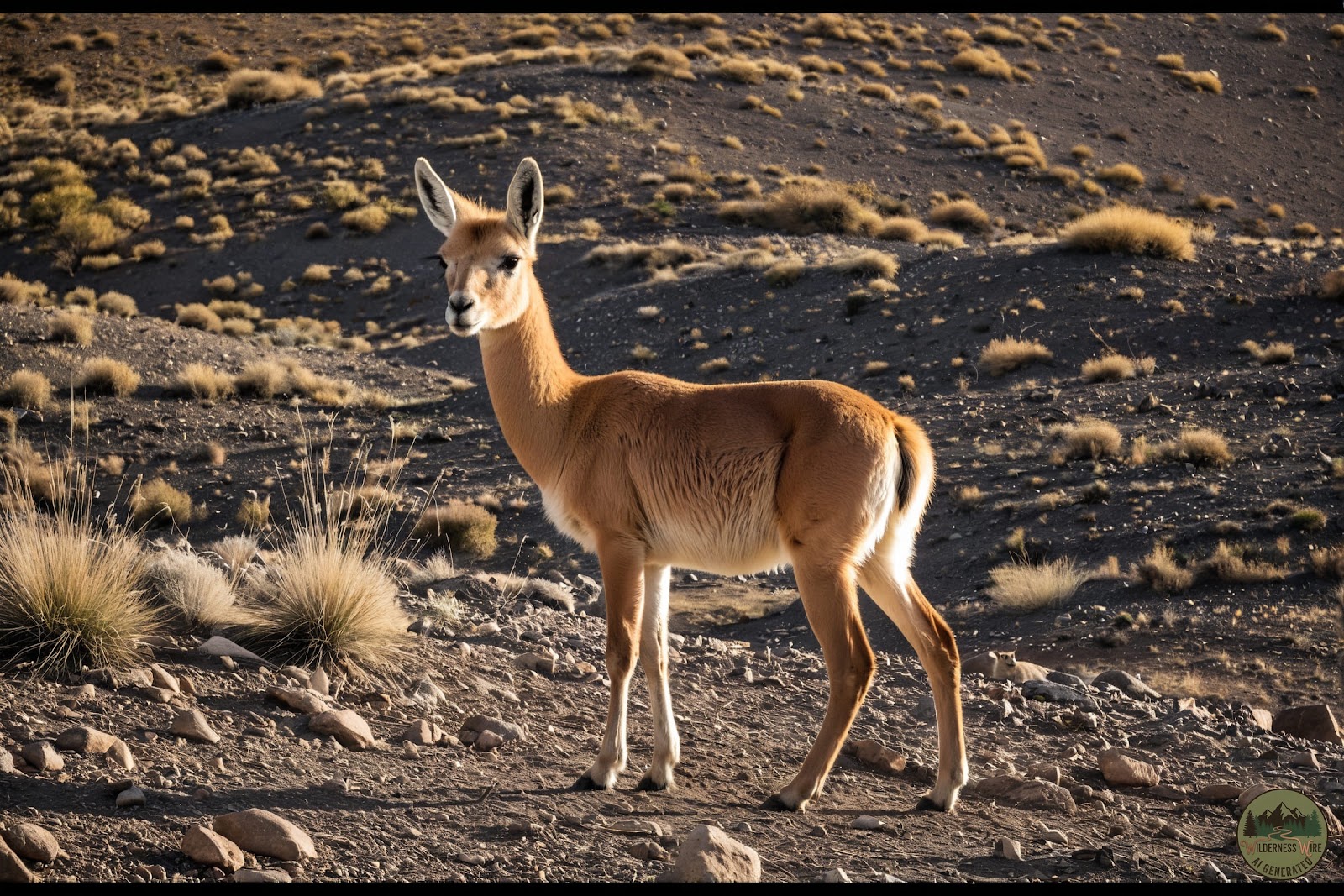
Vicuña_00001_ The high-altitude grasslands of the Andes Mountains, known as the Altiplano, present one of the most challenging environments on the planet. Spanning across parts of Peru, Bolivia, Chile, and Argentina, this region is characterized by thin air, intense solar radiation, and dramatic temperature fluctuations that can swing from scorching heat to bone-chilling frost within a single day. Inhabiting this rugged terrain is the vicuña, a graceful camelid that has not only survived these conditions but has evolved specialized biological traits that make it a masterpiece of Andean evolution. As the smaller, wild relative of the llama and the direct ancestor of the domesticated alpaca, the vicuña is a symbol of wildness and resilience in South American culture. Physically, the vicuña is the most delicate of the four South American camelid species. It stands roughly three feet tall at the shoulder and weighs between 75 and 150 pounds. Its most striking feature, however, is its c...

The Tusked Water Deer: A Primitive Relict Species Thriving in the World’s Wetlands

Image
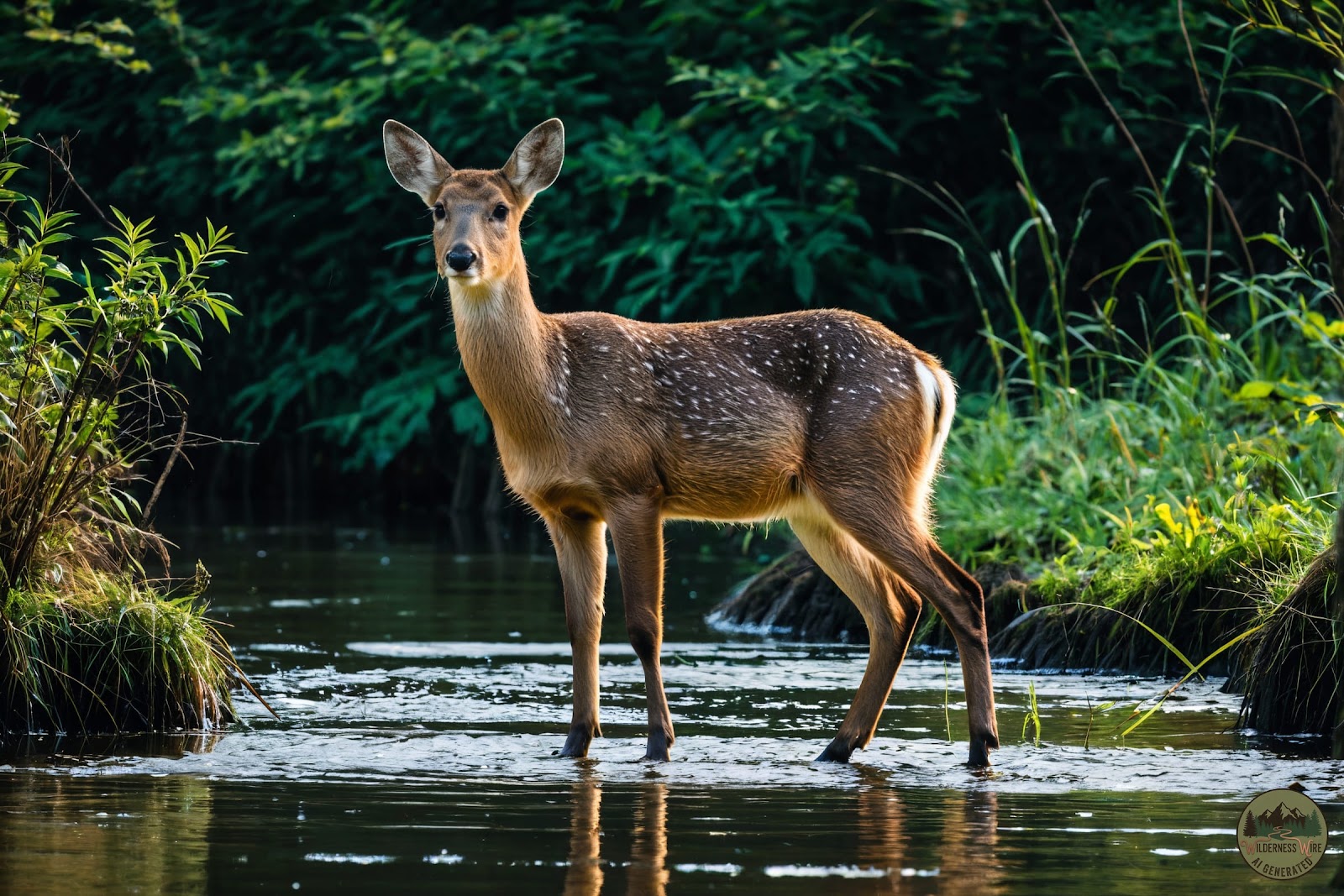
The natural world is replete with evolutionary anomalies that challenge our standard definitions of animal families. Within the family Cervidae, which includes familiar giants like the moose and the elegant red deer, exists a creature that appears to have wandered out of a prehistoric epoch. The Water Deer (Hydropotes inermis) is a small, primitive deer that lacks the most defining characteristic of its kin—antlers. In their place, this species has developed elongated, saber-like upper canine teeth, granting them an appearance that is as striking as it is unusual. Taxonomically, the Water Deer occupies a unique position. It is the sole member of the genus Hydropotes, often described by biologists as a "relict" species. This means it has retained several primitive morphological traits that other deer species lost millions of years ago as they evolved more modern defensive structures. While most male deer (and some females, in the case of reindeer) invest significant metabo...

The Majestic Wapiti Exploring the Biology and Natural History of the North American Elk

Image
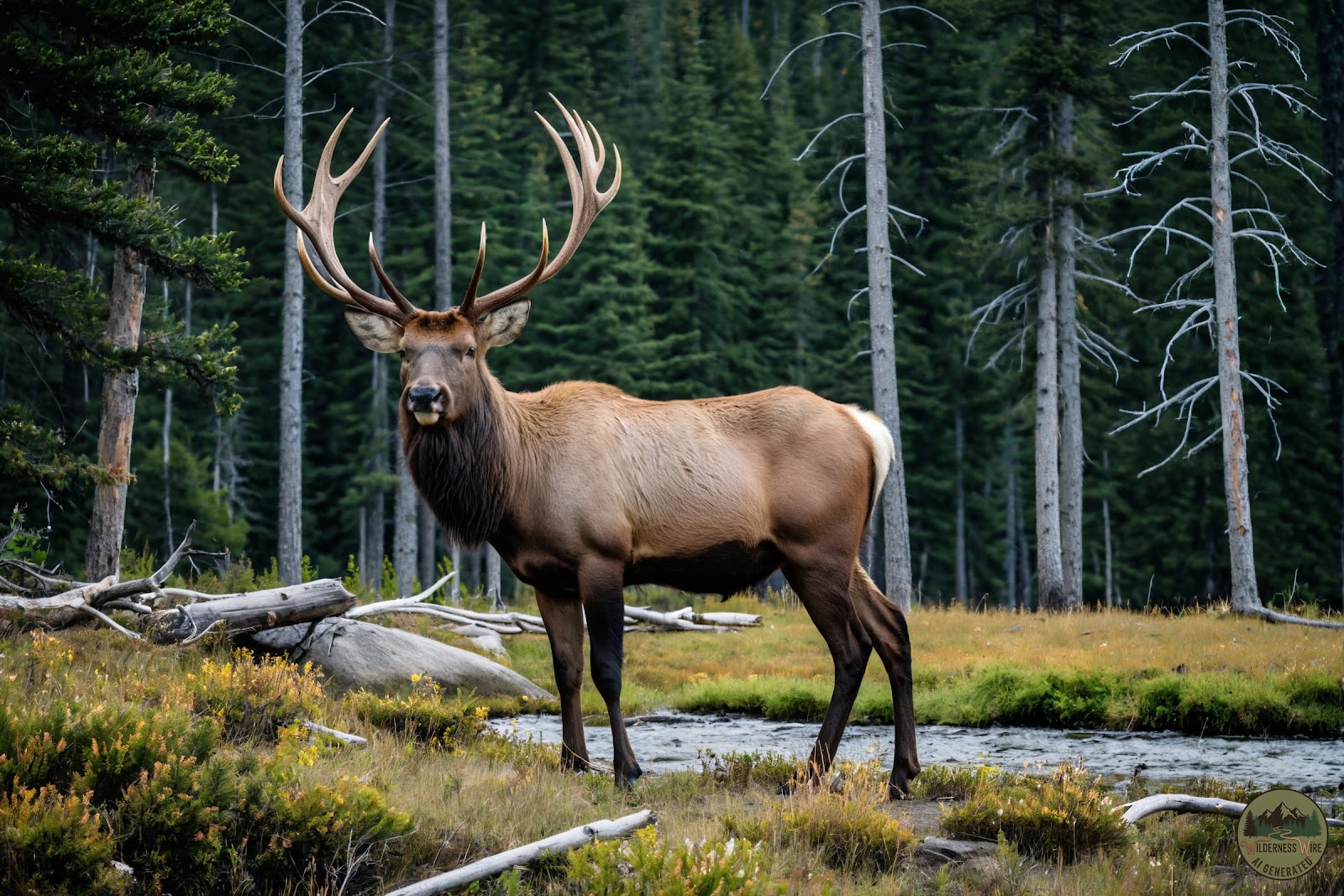
Wapiti_00002_ The Wapiti, scientifically known as Cervus canadensis, stands as one of the most majestic and formidable members of the deer family, Cervidae. Often referred to in North America as the elk, its name derives from the Shawnee and Cree word "waapiti," which translates to "white rump." This linguistic distinction is crucial for global naturalists, as the term "elk" in Europe refers to the animal North Americans call the moose. The Wapiti is a creature of immense physical presence and ecological significance, acting as a keystone species in many of the temperate forests and meadow ecosystems it inhabits across North America and East Asia. Physically, the Wapiti is a marvel of evolutionary adaptation. Adult bulls are particularly striking, often weighing between 700 and 1,100 pounds, while cows typically weigh between 500 and 600 pounds. Their coats vary seasonally, shifting from a copper-brown in the summer to a thicker, light tan or grayish-b...

Understanding the Biology and Evolutionary Diversity of Australia’s Highly Specialized Wallaby Species

Image
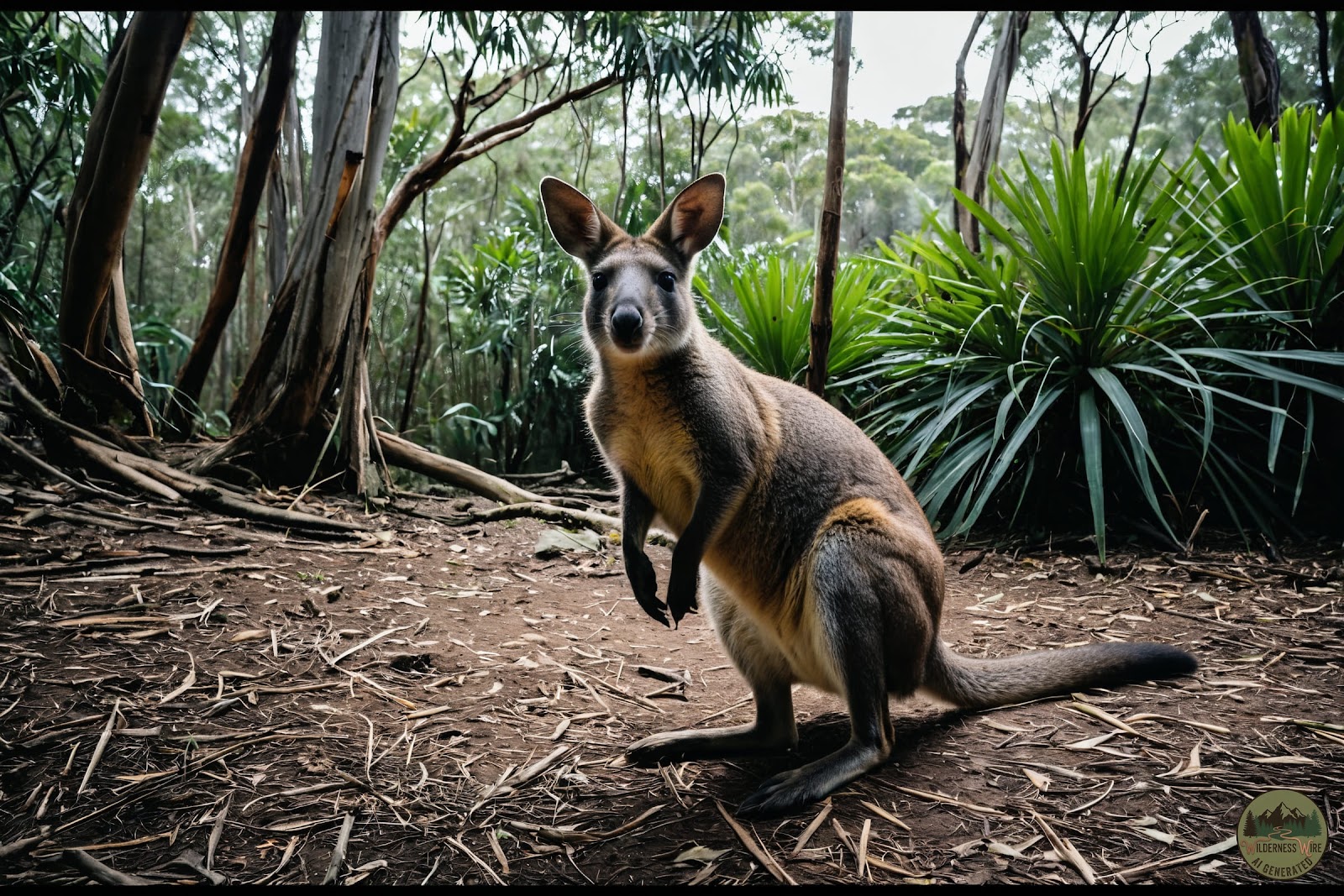
Wallaby_00002_ The Australian continent is home to an extraordinary array of marsupials, but few are as iconic yet misunderstood as the wallaby. While often overshadowed by their larger cousins, the kangaroos, wallabies represent a diverse and highly specialized group of macropods that have adapted to nearly every corner of the Australasian landscape. Ranging from the rugged cliffs of the interior to the dense rainforests of the north, these animals exhibit a remarkable degree of evolutionary plasticity. To understand the wallaby is to understand the complexity of the Macropodidae family, which includes about 50 species that vary significantly in size, behavior, and physiological adaptation. The distinction between a wallaby and a kangaroo is largely one of scale and habitat rather than a strict taxonomic divide. Generally, the term "wallaby" is applied to any macropod that is smaller than a kangaroo or a wallaroo. However, the differences extend beyond mere height. Walla...

Gentle Giants of the Ocean: The Biology and Mystery of the Majestic Whale Shark

Image
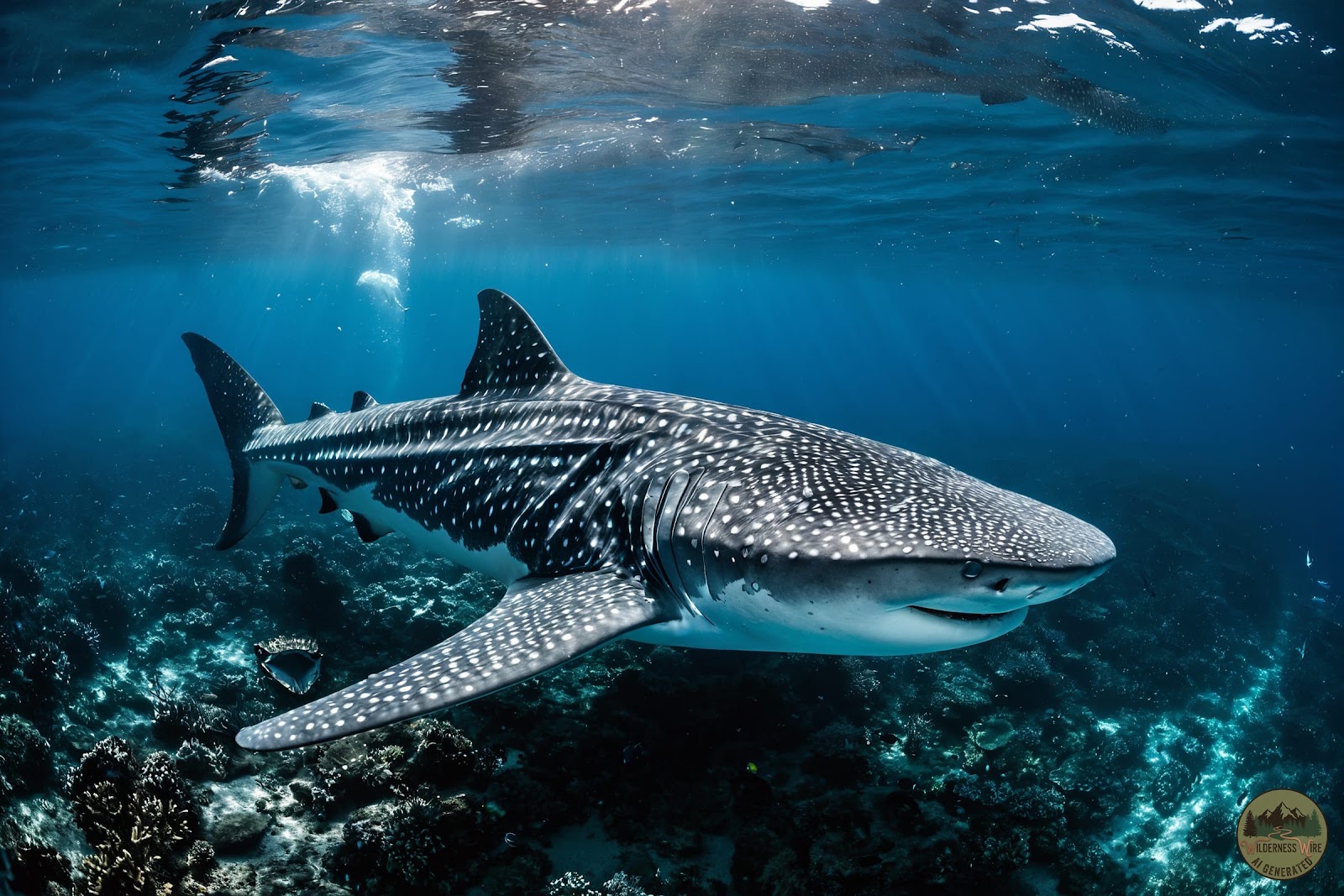
The vast, blue expanses of the world’s tropical oceans harbor many giants, but none are as enigmatic or as visually striking as the whale shark (Rhincodon typus). Despite its formidable name, this creature is not a whale, but rather the largest extant fish species on the planet. Reaching lengths that can exceed 12 meters—with some unverified reports suggesting individuals of up to 18 meters—the whale shark is a cartilaginous fish, belonging to the same subclass as sharks and rays. Its presence in the water is a testament to the evolutionary success of filter-feeding strategies, a niche it shares with the great baleen whales, despite belonging to a completely different evolutionary lineage. One of the most defining characteristics of this species is its skin, which is both a protective armor and a biological identifier. The skin can be up to ten centimeters thick, the toughest of any living animal, and is covered in small, tooth-like scales known as dermal denticles. This pr...

The Biology and Resilience of Wallabies: Exploring the Evolutionary Success of Australia’s Marsupials

Image
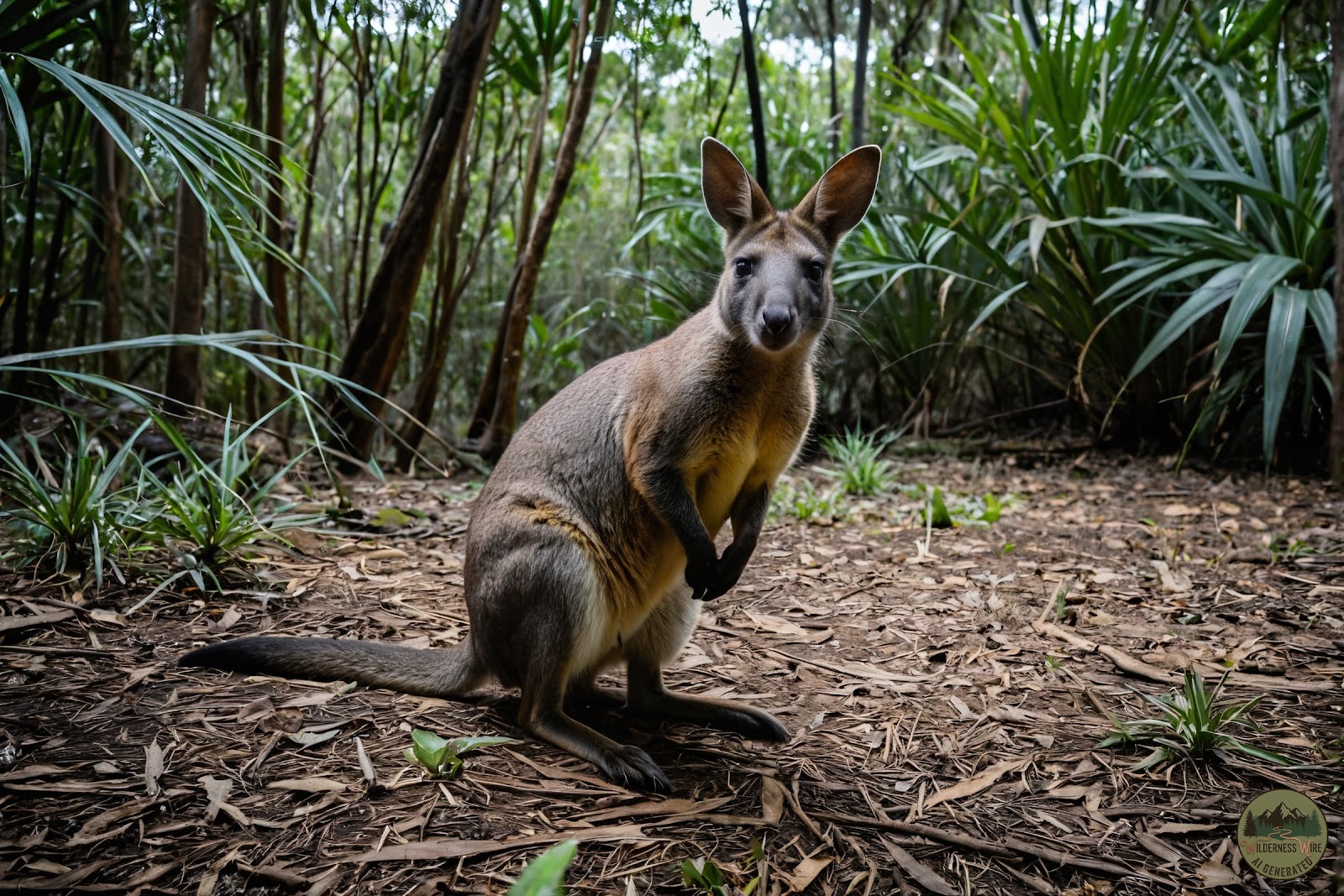
The marsupials of the family Macropodidae represent some of the most specialized and evolutionary successful mammals in the Southern Hemisphere. Among these, the creatures collectively known as wallabies occupy a diverse range of ecological niches across the Australian continent, Tasmania, and New Guinea. While frequently confused with their larger cousins, the kangaroos, wallabies are defined by a distinct set of morphological traits and ecological behaviors that allow them to thrive in environments ranging from rugged rock faces to dense, tropical rainforests. Understanding the nuances of these animals requires a look beyond their iconic hopping gait into the complexities of their biology, reproductive strategies, and the environmental pressures they face in a rapidly changing world. Taxonomically, the term wallaby is not a single scientific classification but rather a grouping of several genera within the Macropodidae family. Generally, a macropod is designated a wallaby if it i...

The Remarkable Biology and Survival Secrets of the Agile Australian Wallaby

Image
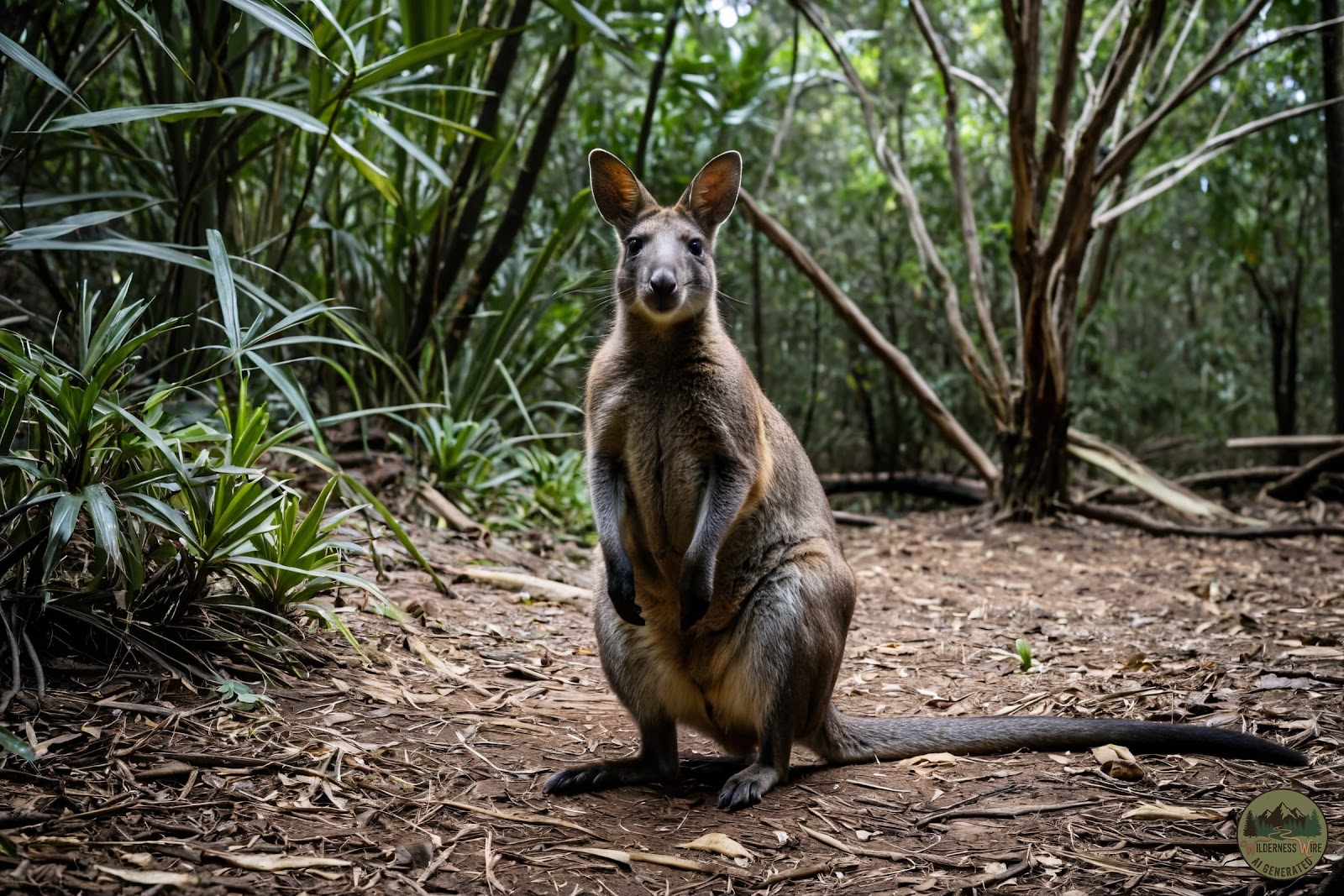
Wallaby_00003_ The Australian landscape is home to an extraordinary array of marsupials, but few are as iconic or as varied as the wallaby. Often overshadowed by their larger cousins, the kangaroos, wallabies represent a diverse group of species within the Macropodidae family. This family name, meaning "large foot," aptly describes the most distinctive physical trait of these animals: their powerful hind limbs designed for saltatorial locomotion, or hopping. While the term wallaby is often used as a catch-all for any mid-sized macropod, these animals possess unique biological adaptations and ecological roles that distinguish them within the Australian wilderness. Evolutionarily, wallabies have adapted to a staggering range of environments, from the dense, humid rainforests of northern Queensland to the arid, rocky outcrops of the central deserts. There are roughly 30 species of wallabies, generally categorized by their preferred habitats—such as brush wallabies, rock wall...

 This website utilizes artificial intelligence (AI) systems to generate, draft, and edit content. All text, images, and media on this site should be considered AI-generated or AI-assisted unless explicitly stated otherwise.