The Physiological Wonders and Ecological Importance of the Iconic Neotropical Toucan
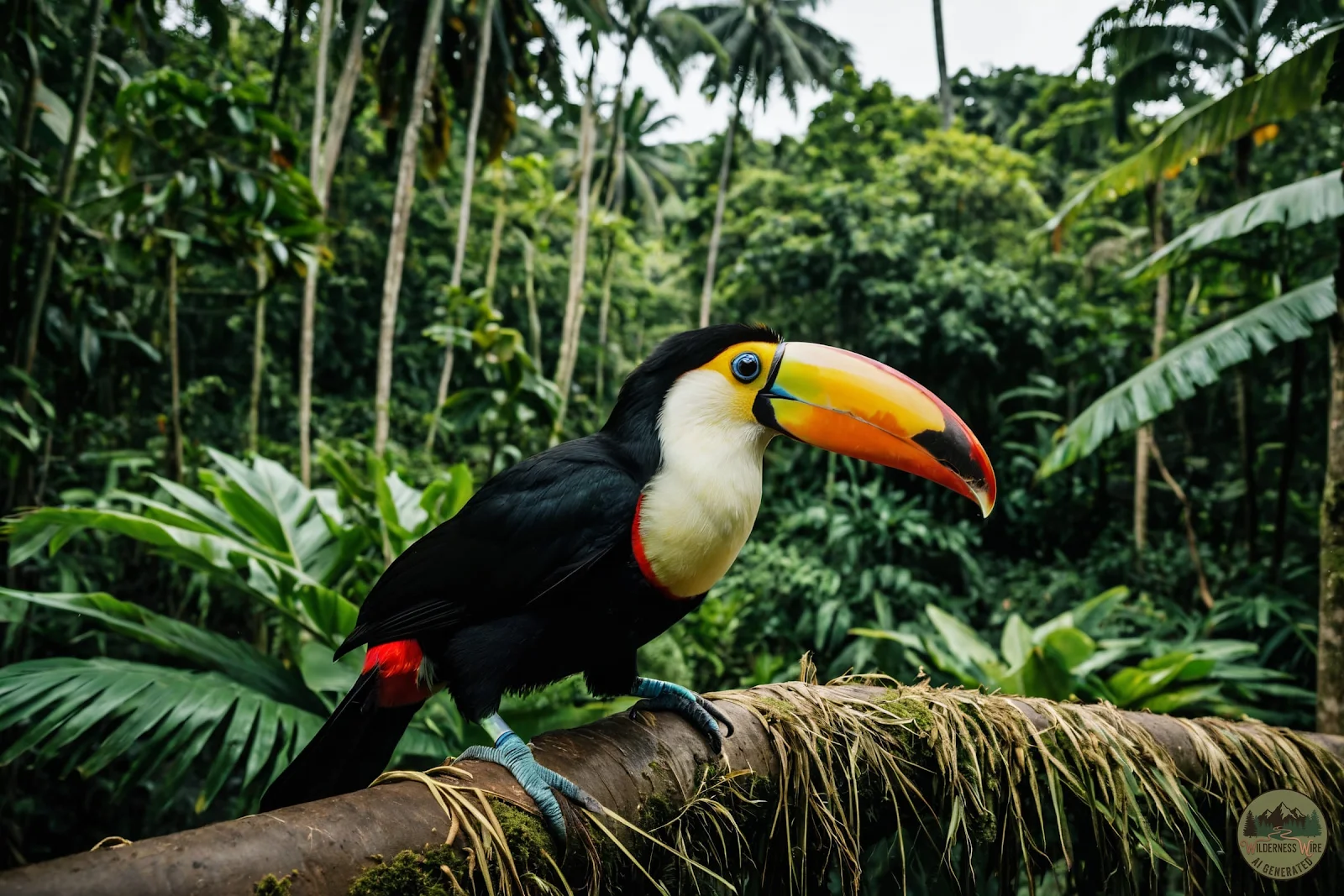
Toucan_00001_
The Neotropical canopy is home to a diverse array of avian species, yet few are as instantly recognizable or as biologically intriguing as the members of the family Ramphastidae. These birds, characterized by their oversized and vibrantly colored bills, serve as both ecological keystones and symbols of the complex biodiversity found within Central and South American rainforests. While their aesthetic appeal is undeniable, their physiology and behavior reveal a series of sophisticated evolutionary adaptations that allow them to thrive in the competitive vertical strata of the jungle.
At the center of any discussion regarding these birds is the formidable bill. To the casual observer, the appendage appears heavy and cumbersome, potentially hindering flight or balance. However, the internal architecture of the bill is a marvel of natural engineering. It is composed of a specialized bony meshwork of trabeculae—thin, rod-like structures of bone—enclosed in a protective sheath of keratin. This "honeycomb" structure provides immense structural integrity and strength while remaining remarkably lightweight. Recent biomechanical studies have revealed that the bill is not merely a tool for gathering food but a highly efficient thermal radiator. By regulating blood flow to the bill, these birds can dissipate excess body heat into the surrounding air, a vital mechanism for maintaining homeostasis in the humid, tropical heat. This function is analogous to the large ears of an African elephant, demonstrating a convergent evolutionary solution to the problem of thermoregulation.
The dietary habits of these birds are equally specialized. While they are primarily categorized as frugivores, or fruit-eaters, their role in the ecosystem extends far beyond simple consumption. They possess a long, narrow tongue—often reaching up to six inches in length—that is fringed with feather-like bristles. This anatomical feature assists in tasting and manipulating various fruits. More importantly, they are essential agents of seed dispersal. Unlike many birds that grind seeds in their gizzards, these birds tend to swallow fruits whole, digest the fleshy pulp, and then regurgitate or excrete the seeds intact. Because they range across significant distances within the canopy, they ensure that the seeds of various tree species are distributed far from the parent plant, facilitating forest regeneration and genetic diversity.
Despite their fruit-heavy diet, these birds are opportunistic omnivores. During the breeding season, they require higher levels of protein to sustain themselves and their developing chicks. They have been observed raiding the nests of other bird species to consume eggs and nestlings, and they frequently hunt insects, small lizards, and tree frogs. This predatory behavior showcases a high degree of cognitive flexibility and highlights the importance of the bill as a versatile tool for both delicate fruit plucking and more aggressive foraging.
The social dynamics of the family are complex and characterized by a high degree of intelligence and playfulness. They are frequently observed engaging in "bill-fencing," a social behavior where two individuals clasp bills and push against one another. While this may occasionally be a territorial or mating display, researchers often interpret it as a form of social bonding or play. Their vocalizations are another key aspect of their social life; unlike the melodious songs of many passerines, their calls are often harsh, croaking, or rattle-like, designed to carry across the dense foliage of the rainforest. These sounds serve to maintain contact between group members and to warn of approaching predators, such as hawks or jaguars.
Nesting habits also reflect their adaptation to the forest environment. These birds do not possess the beak strength required to excavate their own nesting sites in living wood. Instead, they rely on pre-existing cavities, such as those abandoned by large woodpeckers or created by natural decay. Inside these hollows, they lay two to four white eggs. A unique behavioral trait is their sleeping posture: to conserve space in cramped quarters, they turn their heads backward and tuck their bills under their wings, while their tails fold forward to touch their heads. This compact "ball" formation allows them to fit into surprisingly small tree hollows, providing protection from nocturnal predators.
From a conservation perspective, these birds are sensitive indicators of the health of their habitat. As canopy dwellers, they are among the first to be affected by habitat fragmentation and deforestation. While some species have shown a degree of resilience by adapting to secondary-growth forests and plantations, the loss of large, old-growth trees—which provide the necessary nesting cavities—remains a significant threat. Furthermore, their striking appearance has made them targets for the illegal wildlife trade. Protecting these birds requires a holistic approach to rainforest conservation, ensuring that the vast corridors of the Amazon and other Neotropical regions remain intact to support the intricate web of life they help maintain.
In summary, these birds are much more than just a colorful face of the rainforest. They are sophisticated physiological wonders, essential ecological gardeners, and intelligent social creatures. Their continued presence in the wild is a testament to the intricate evolutionary processes of the Neotropics and a reminder of the delicate balance that sustains one of the most biodiverse regions on Earth. Understanding the nuances of their biology—from the thermal properties of their bills to their role in forest succession—deepens our appreciation for the complexity of the natural world and the urgent need to preserve it.